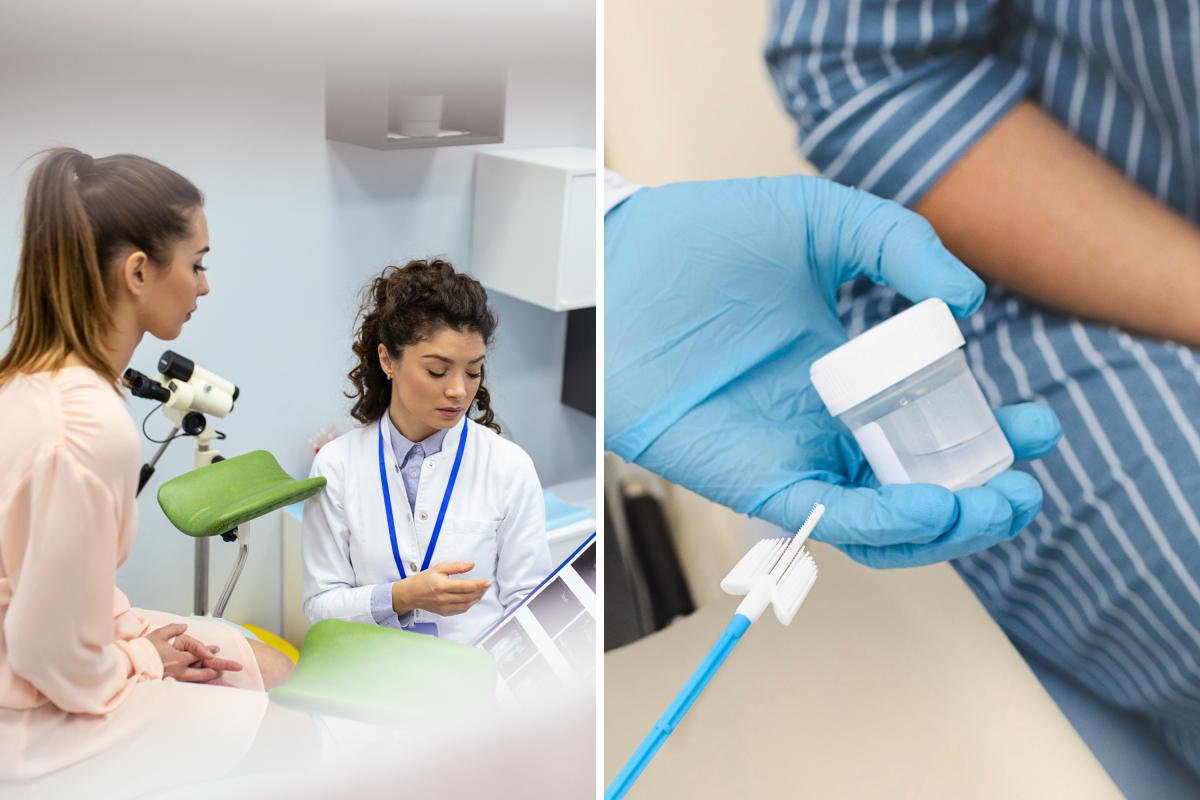
Nearly one in three young American women has never been screened for cervical cancer, a new national study has found. The number of women going without a screening has more than doubled in less than 20 years, even though screening is one of the most effective ways to prevent the disease that approximately 4,000 women die from per year in the U.S. alone. The research, published in JAMA Network Open, found that the share of women aged 21 to 29 who reported never undergoing cervical cancer screening rose from 12.5 percent in 2005 to 31.9 percent in 2023.
That means the population of unscreened young women grew from about 3.5 million to 6.2 million over the study period, with the sharpest increase occurring after 2010. Different major medical organizations have slightly different recommendations, though all have shifted toward HPV-based screening because persistent HPV infection causes nearly all cervical cancers. The USPSTF recommendations remain the basis for many insurers' coverage requirements and are widely used in clinical practice.
The ACS updated its guidance to start screening later and emphasize HPV testing. The worrying trend is not limited to younger women. Among those aged 30 to 65, the proportion who had never been screened climbed from 5.3 percent to 14.8 percent between 2005 and 2023, equivalent to a rise from roughly 4.3 million to 9.2 million women.
Researchers said this age group is particularly significant because it captures the years when cervical cancer risk is highest. Older women who have gone unscreened for years are at risk of getting to a later stage of the disease before being symptomatic or diagnosed. The findings are based on data from nine cycles of the National Health Interview Survey, conducted between 2005 and 2023, combined with U.S.
Cancer Statistics data tracking cervical cancer incidence by age and stage from 2001 to 2023. The study also highlighted low HPV vaccination rates among younger women, which compound the risks associated with skipping screening. Vaccination rates among women aged 21 to 29 rose from just 5.7 percent in 2008 to 54.0 percent in 2019, meaning nearly 8 million women in this age group, or 45.5 percent, remain unvaccinated.
Researchers noted that almost a third of unvaccinated women have also never been screened, leaving them without either layer of protection against the disease. Alongside the drop in screening, researchers found that cervical cancer diagnosed at regional and distant stages, meaning the cancer had already spread, increased by more than 2 percent per year after 2017 among women aged 30 to 65. While the study's authors caution that their data cannot prove screening gaps directly caused this rise, they say the pattern raises concern.
Extract — continue reading at the source.