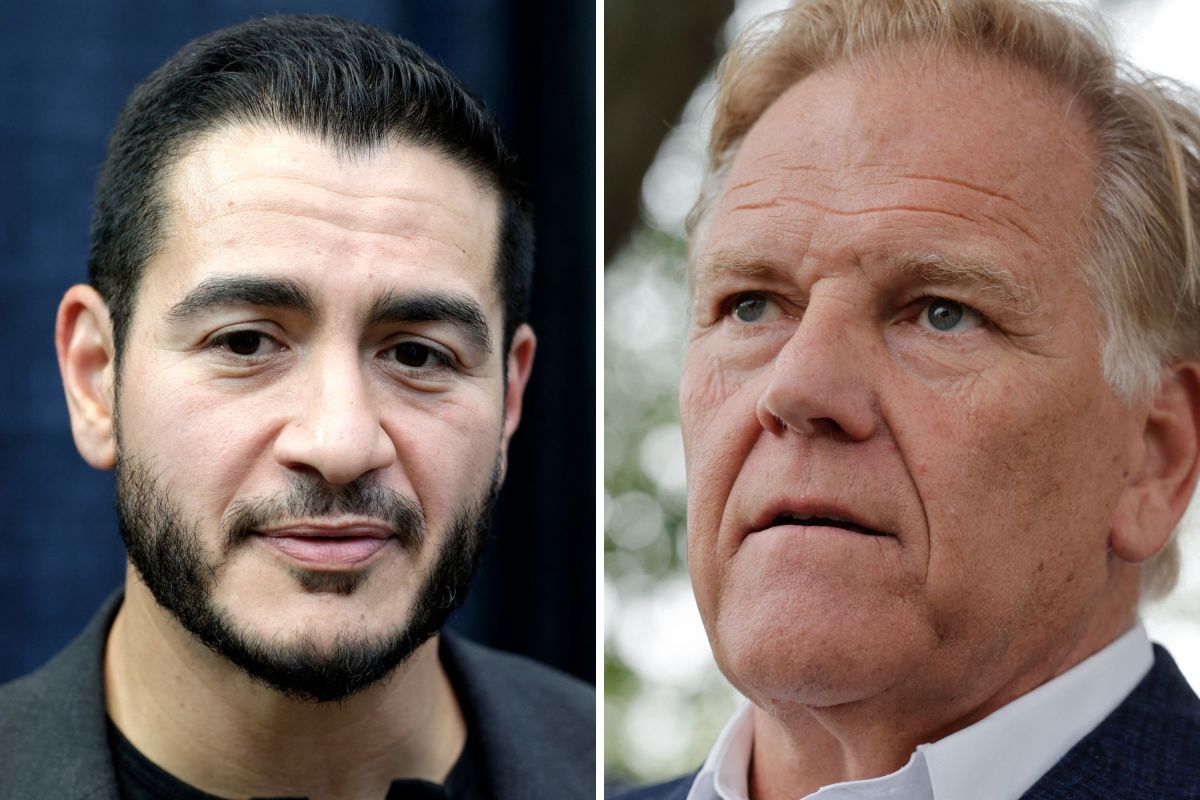
WOOD-TV is hosting the hourlong debate from its studios at 7 p.m. ET, with political reporter Rick Albin and anchor Amber Krycka moderating; NewsNation will carry it nationally. The two will meet again in late October, fewer than two weeks before Election Day, at a debate moderated by Detroit-area station WXYZ Channel 7.
Getting both men on the same stage took a while. El-Sayed has spent weeks calling the former congressman "Mike Dodgers" for passing on other invitations, and last month he took questions beside an empty podium after Rogers skipped a FOX 2 debate in Detroit, citing what he called the moderator's favoritism toward El-Sayed. Rogers wrote on X that "Michiganders will learn just how much of a Conman you really are." Republicans haven't won a Senate race in Michigan since 1994.
They think Rogers, who lost to Elissa Slotkin in 2024 by fewer than 20,000 votes, has a better shot this time against a progressive opponent, while Democrats count the seat among the handful they need to retake the chamber. Michigan voters keep naming a shortlist of concerns in polling: what things cost, the tariff fight with Canada, data centers and health care. With most surveys showing the race inside the margin of error, how each candidate handles those subjects Thursday could carry real weight.
In a CNN poll conducted by SSRS from late August into early September, Michigan voters ranked the economy and cost of living as their top issues. Nearly half of likely voters said a candidate's positions would decide their vote. Far fewer, 31 percent, cited which party controls the Senate, and 22 percent pointed to character and experience.
El-Sayed's pitch on costs leans on Medicare for All and higher taxes on the wealthy. At the FOX 2 debate, he said he cared more about childcare, health care, schools and roads than about letting a billionaire make a second billion. Business groups have lined up behind Rogers.
The Detroit Regional Chamber and the National Federation of Independent Business both endorsed him, and his campaign says he would fix education, bring down housing costs and return manufacturing jobs to the state. Canada bought $23.2 billion in Michigan goods in 2025, about 39 percent of the state's goods exports. After trade talks collapsed, President Donald Trump said he would double tariffs on Canadian cars to 50 percent and slap a 50 percent tariff on auto parts.
Extract — continue reading at the source.