Think of your posture like the alignment on your car: over short distances or the short term, a little tilt is no problem. But when your biomechanical odometer starts to tick up, wear and tear shows up in all the wrong places. Unaddressed, bad posture under heavy loads can lead to chronic injury, or at least enough discomfort to sap the joy out of hiking.
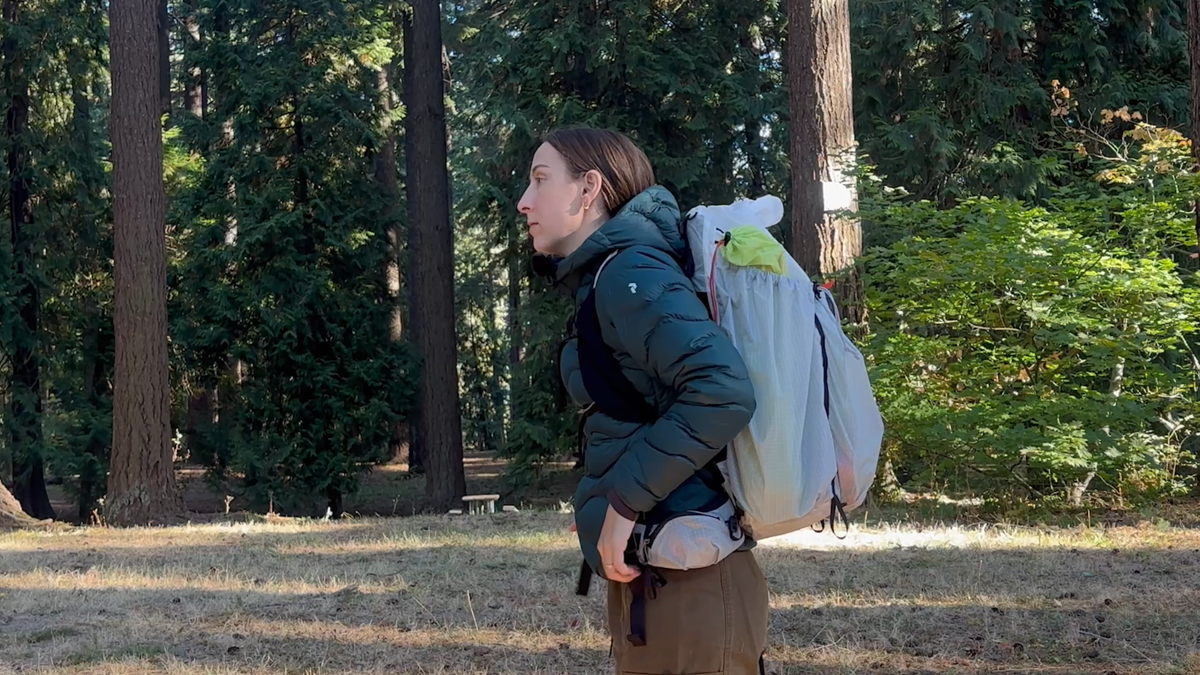
IT band syndrome, chronic hip pain, and disc issues can also stem from poor posture. Chiropractor and physical therapist Steve Brown likes to use the snowman analogy. Elongate your back, tuck your chin, pull your shoulders up and back, and puff out your chest.
Keep your hips stacked under your ribs and your pelvis level with the ground. Brown adds that your lower back should be neutral—neither arched nor rounded. You’ll probably need to squeeze your lower abs at least a little bit to maintain that neutrality, especially when your pack is heavy.
Remember to mind your neck, too: Instead of looking at your boots, gaze ten to 15 feet ahead of you on the trail. It takes some getting used to, Monroe says, but your cervical spine will thank you. If the above doesn’t seem to apply to you, try troubleshooting your pack fit, which Monroe calls the number-one contributor to bad posture.
When your hip belt is securely fastened, it should be taking 70 to 80 percent of the weight of the pack. If it isn’t, the pack slides down, your upper back rounds out, your chin pokes forward, and your shoulders end up picking up the slack. Next, make sure you’ve packed appropriately, Brown suggests.
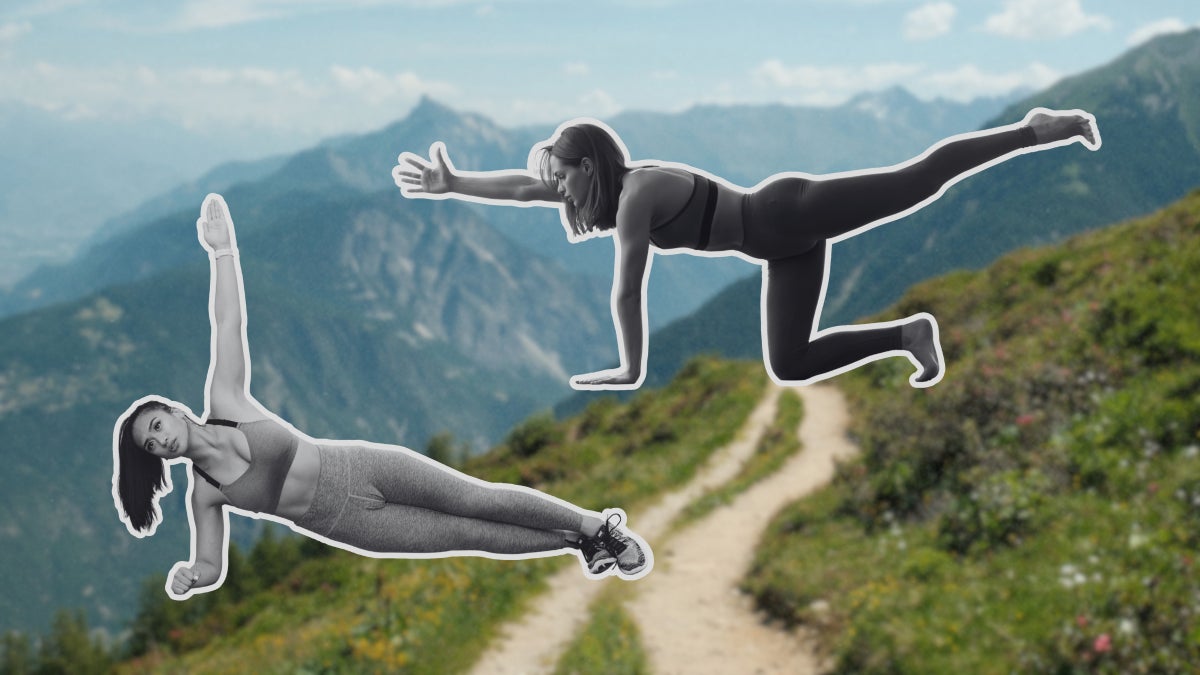
Monroe’s not just talking about your abs, either. That includes your upper body muscles—like your traps, rhomboids, and rotator cuffs—as well as your glutes. In hikers, those smaller muscles are often underdeveloped, which means you can remind them to straighten up on the trail all you want, but they likely won’t have the endurance to follow orders unless you spend some time prepping them in the gym first.
Extract — continue reading at the source.