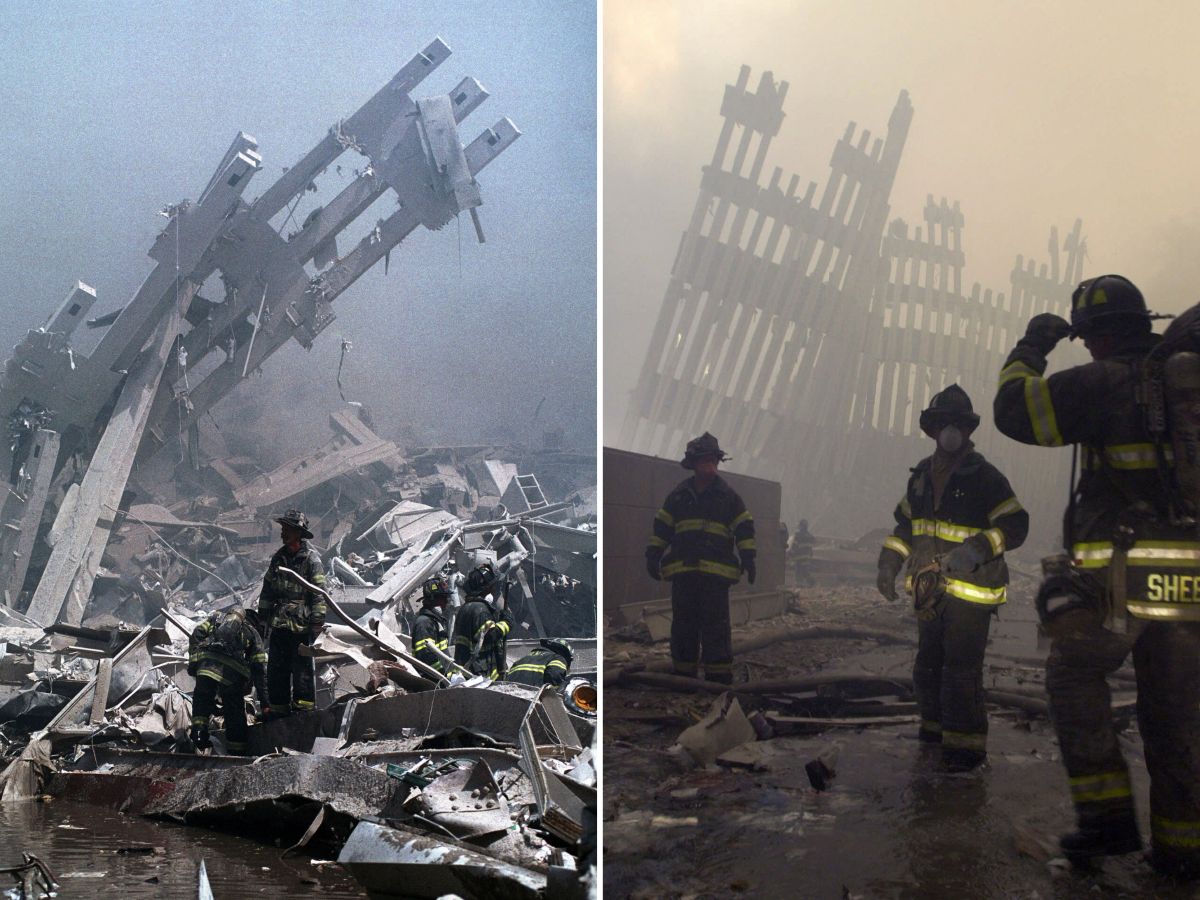
Twenty-five years after the September 11 attacks, a study has found the children of World Trade Center responders may have been impacted by their parents' trauma, even though they did not see the destruction themselves. The study, conducted by researchers at Columbia University, found the children of 9/11 responders who developed post-traumatic stress disorder (PTSD) after the terrorist attacks were more likely to have psychological conditions, such as anxiety and depression. PTSD is a mental health condition triggered by exposure to a traumatic event.
It can cause flashbacks, vivid or intrusive images or thoughts, recurring dreams or nightmares and many other symptoms. These effects can last for years after the event. The findings, published in the journal PLOS Mental Health earlier this year, also highlighted the importance of community and social support for disaster responders, and suggested that psychological treatment offered to those individuals may need to be expanded to their wider family.
In total, 270 adult children from 176 families were involved in the study. Each participant had been under the age of 18 when 9/11 happened, and had a parent who had been diagnosed with PTSD soon after. "The adult children of World Trade Center responders reported higher levels of depression, anxiety, and panic symptoms than would be expected in the general population, and some also experienced symptoms of PTSD," Yael Cycowicz, a professor of clinical neurobiology in psychiatry at Columbia University, who led the study, told Newsweek.
Cycowicz said they also found that the length and type of a parent's exposure mattered. Children with parents who responded to the site earlier, who were exposed to human remains, and who spent more time at the site, were more likely to have mental health conditions themselves. The researchers also found the children of parents who worked as rescue or cleanup workers were more likely to be struggling today than those of the parents who were police officers.
Researchers said they believed this was because police are given more training to deal with challenges and have their own community for support, while the other responders were largely construction workers and not as prepared for the horrific scenes they faced. Cycowicz said there is "probably not a single pathway" that could enable trauma to be passed between generations, but that a "parent’s trauma and mental health can influence the emotional environment at home, parenting, communication, and relationships with children." "The children may also grow up worrying about their parent’s physical and emotional well-being, particularly when they see a parent struggling with the lasting effects of trauma," she said. "These experiences may, in turn, affect children’s mental health and vulnerability to psychological difficulties." Abigail Lott, a professor of psychiatry and co-director of the Grady Trauma Project at Emory University, who was not part of the study, also told Newsweek that one of the ways trauma can be passed on from parents to children is through "parenting practices, parent-child relationships, and parents' own challenges with emotion regulation and mental health," as this can affect how they "model behavior and teach coping to their children." Lott said the findings did not surprise her, as they "fit with previous studies showing the intergenerational effects of trauma on mental health outcomes in the children of trauma survivors." The transmission of trauma between the generations of a family has previously been documented among the children of parents exposed to war and genocide.
However, Lott added that this study is "unique" because it focuses exclusively on 9/11 responders. "When we prepare for disasters, we should anticipate not only the physical and logistical needs of responders, but also the potential long-term psychological impact on responders and their families," Cycowicz said. "This means having systems in place to identify those who may be more vulnerable and to maintain outreach and support over time, not simply in the days and weeks following a disaster," she said.
Extract — continue reading at the source.