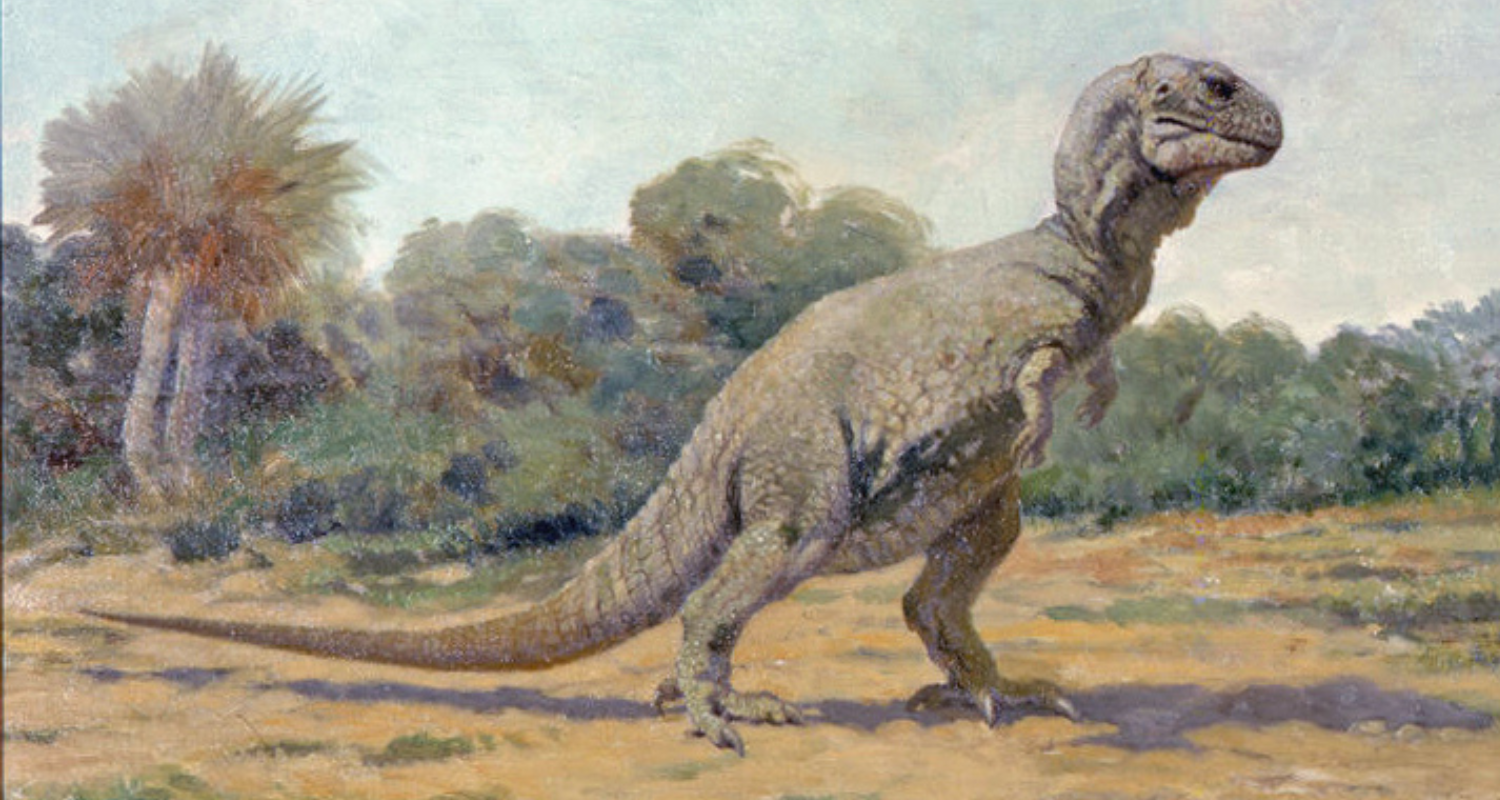
The eager grunting from the trio of baby Tyrannosaurus can sometimes seem ceaseless, the only quiet coming from the fleeting moments when they have their sharp little jaws clamped around tatters of meat dropped into their increasingly smelly nest, or when they are too tired from begging and sleep. Anytime the three are awake and don’t have something to stuff their mouths, they cry. The babies are still so small that mother T. rex could drag an entire bloated Torosaurus carcass over to them and they could peck at the ragged edges of flesh for days and days.
The infants would be able to feed to their stomachs’ content on the increasingly ripe meat without getting close to finishing the entire spread laid before them. But such a simple route to full bellies would not do much to help this busy, fluffy family. Mother T. rex has a far greater appetite than even the bottomless pit that is Snaggletooth, and hunting for one is challenging enough—much less bringing home fleshy, fatty takeout.
At this time, at least, she must survive if her babies are to have a hope of carving out their own place in this humid Cretaceous landscape. She can sometimes bring back a haunch or shattered ribs held together by thin strips of muscle and membrane, but not every meal is lavish. Protein-rich milk would make things a little easier and require fewer blood-spattered errand runs, but mother T. rex has no milk to give.
Whatever food the little ones consume, it must be supplied by some other creature. The dinosaurs’ digestive systems are incapable of breaking down vegetable matter into anything other than a painfully gassy bloat. The babies need fat and protein, blood and guts.
The raw stuff that has allowed carnivorous dinosaurs to spread across the planet over the past 165 million years. Many different organisms give milk. The chattering and barking mammals that scamper through these woodlands rely on the pale fluid to grow fast, providing mammal pups with the raw materials to start turning the soft cartilage of their skeletons to more resilient bone.
Some insects, too, make their own form of milk—protein-laden fluids that drip from tiny spigots on their bodies, providing their wriggling babies with a head start. Even some birds have managed the trick, disgorging a viscous fluid from their throats to offer their chicks as the hungry little chirpers demand ever more meals in the nest. Non-avian dinosaurs, however, never evolved the ability.
Extract — continue reading at the source.