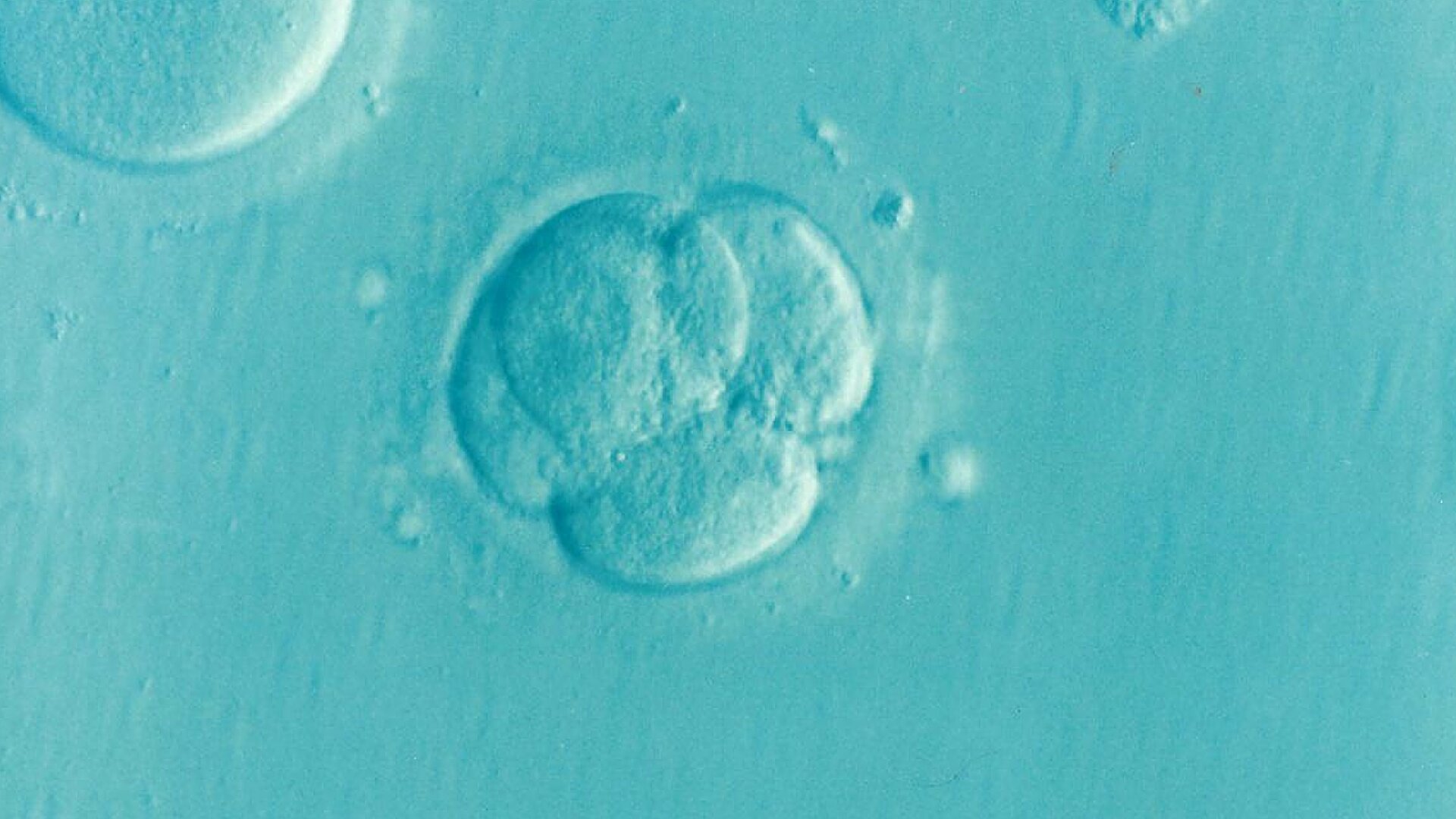
This article has been reviewed according to Science X's editorial process and policies. Editors have highlighted the following attributes while ensuring the content's credibility: University of Sydney researchers have developed a new way to test how closely lab-grown biological models resemble real human embryos, finding that while some models perform well, none yet fully capture the complexity of early human development. Research on embryo models derived from stem cells, known as blastoids, offers scientists a way to study the biological events that underpin fertility, pregnancy success and early human development without relying on donated human embryos.
Models derived from stem cells could help answer questions that have long been difficult to investigate because of technical and ethical constraints. These stem-cell-derived structures are research models, not actual human embryos. Current models cannot develop into a human embryo.
However, just because something looks like an embryo, does that mean it is behaving like one biologically? Researchers at the University of Sydney have developed a computational framework that helps answer that question. Their study systematically evaluated four leading human blastoid-generation methods and found substantial differences in how faithfully they reproduce the cell types and developmental processes seen in natural human embryos.
Published in Cell Systems, the research creates one of the most comprehensive reference maps of early human embryo development and uses it to benchmark the biological accuracy of stem-cell-derived embryo models. Lead author Pengyi Yang, an associate professor and ARC Future Fellow in the School of Mathematics and Statistics and head of the Computational Systems Biology unit at the Children's Medical Research Institute, said the work provides researchers with a more objective way to understand the strengths and limitations of embryo models. "Human embryo models have enormous potential for studying the earliest days of an embryo's development, but there has been no consistent way to assess how accurately these reflect real human development," said Yang, who also leads the Trans-Regulatory Biology group at the Charles Perkins Center.
"Our framework allows researchers to compare these models against a detailed biological reference and determine which cell types and developmental processes are faithfully reproduced, and which are not." The team combined and harmonized more than 14,000 single-cell transcriptomes (the set of RNA molecules in a cell) from human embryos spanning key stages of their development. This allowed them to create a reference map of how cells normally differentiate and organize themselves during the days immediately before and after implantation. They then compared that reference against four widely used blastoid-generation protocols developed by international research groups.
Rather than assessing whether the models simply resembled embryos under a microscope, the researchers examined their molecular identities, developmental timing, lineage structure and other biological characteristics. The results showed that some blastoid models reproduced all three major cell lineages of a natural human blastocyst, or the early embryo, relatively well, while others failed to accurately represent certain cell types or contained large numbers of cells that could not be confidently matched to any known embryonic state. No single model perfectly replicated a natural human blastocyst.
Extract — continue reading at the source.


