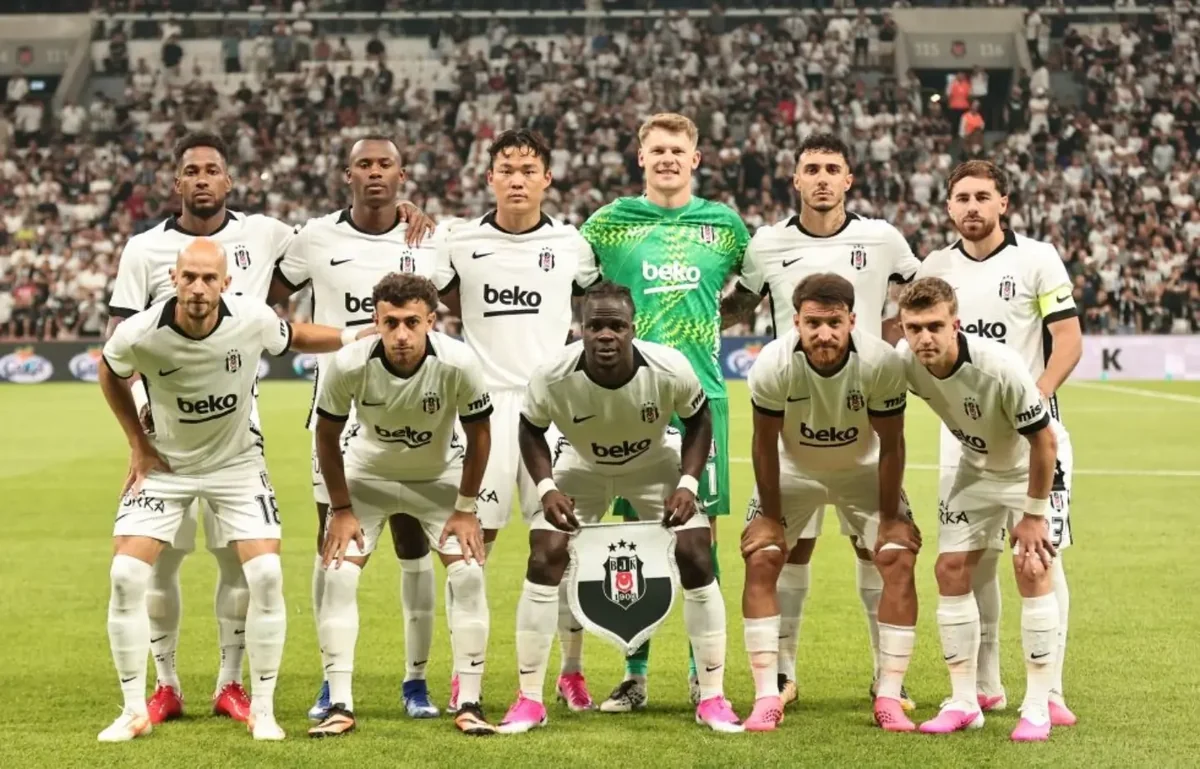
It was, says Ido Rakovsky, like reporting on "science fiction", rather than sport. Israel, whose senior team have qualified for the World Cup just once, had beaten global powerhouses Brazil in the quarter-finals of the under-20 version of the tournament. At the final whistle, the commentator covering the match for Israeli television vowed "you will tell of this night to your children, and they will tell it to your grandchildren".
Five days later, the team's semi-final against Uruguay was the most-watched thing of the evening on Israeli television, drawing a 23% viewing share. Politicians clamoured to congratulate the team. "That summer, everybody was watching under-20 football, everybody knew the players," says Rakovsky, who was covering the team for Israeli media outlet Haaretz.
"Everybody in Israel fell in love with these kids." It wasn't just their deeds on the pitch that felt otherworldly, though. After scoring a stoppage-time winner against Uzbekistan in the last 16, Anan Khalaili had given an interview to Israeli television. In it Khalaili, an Israeli Arab, thanked the viewers back home for staying up late to watch his team win in Argentina.
To do so, he used the words 'Am Yisrael' - a Hebrew phrase that means 'People of Israel' and is bound up in Jewish religion, community, culture and history. "That an Arab player used that figure of speech said something about the identity of that team," says Rakovsky. "That team made real the claim that football can really bring people together - that Muslim players are part of the national team of the Jewish state, representing Israel and creating something better, both for the present and future." But a little over four months after Khalaili's interview and the win over Brazil, Hamas attacked Israel.
The armed Palestinian group killed about 1,200 people and took 251 hostages. In response, Israel launched a massive military offensive in Gaza. The United Nations believes the retaliation has killed more than 70,000 Palestinians., external As the war goes on, can the potential of a golden generation of Israel's footballers, in sport and society, be realised?
Beaten 1-0 by eventual champions Uruguay, Israel finished third at that Under-20 World Cup in 2023. The same set of players, with a few additions and omissions, had already impressed at continental level. They were runners-up at 2022's Under-19 Euros, beaten by England in extra-time in the final, and would go on to make the semi-finals of 2023's Under-20 Euros.
Extract — continue reading at the source.