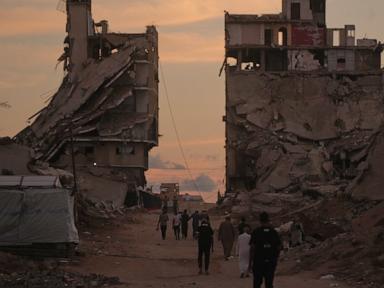
When the “ceasefire” was announced on October 10 last year, we knew how much needed repairing. For the first time in a long while, we thought we might have the breathing space to do it. We thought medicines and equipment could arrive more regularly.
Hospitals and clinics could begin to be restored. Patients could leave Gaza for treatment. Emergency medical teams could come from overseas to support Gaza’s exhausted health workers.
We could finally look beyond the next crisis and plan how to care for people over the coming months and years. Three years into the genocide, there is barely a moment to catch our breath. We’re being asked to do far more than Gaza’s devastated health system can sustain, while regular deliveries of medical supplies and equipment are still restricted and medical evacuations stalled.
People are still arriving at our clinics with traumatic injuries because Israel’s bombardment continues. More than 1,470 people have been killed since the “ceasefire” started. Even reaching a health centre can now put patients at risk.
As the security situation has deteriorated, services supported by Medical Aid for Palestinians (MAP) have had to be suspended in parts of Gaza. Last month, a 65-year-old patient was killed by Israeli military quadcopter fire while seeking treatment at a MAP-supported health centre in Jabalia. While treating new arrivals with new injuries, we are trying to look after patients whose treatment may take months or years.
Those who have lost limbs need rehabilitation, prosthetics and more surgery, but Israeli authorities heavily restrict the needed supplies. Children who survived acute malnutrition now live with anaemia and stunting, which need treatment, while people with diabetes and high blood pressure struggle to get their medicines. Cancer patients can’t get the radiotherapy they need, and people with kidney failure can’t count on regular dialysis.
Extract — continue reading at the source.