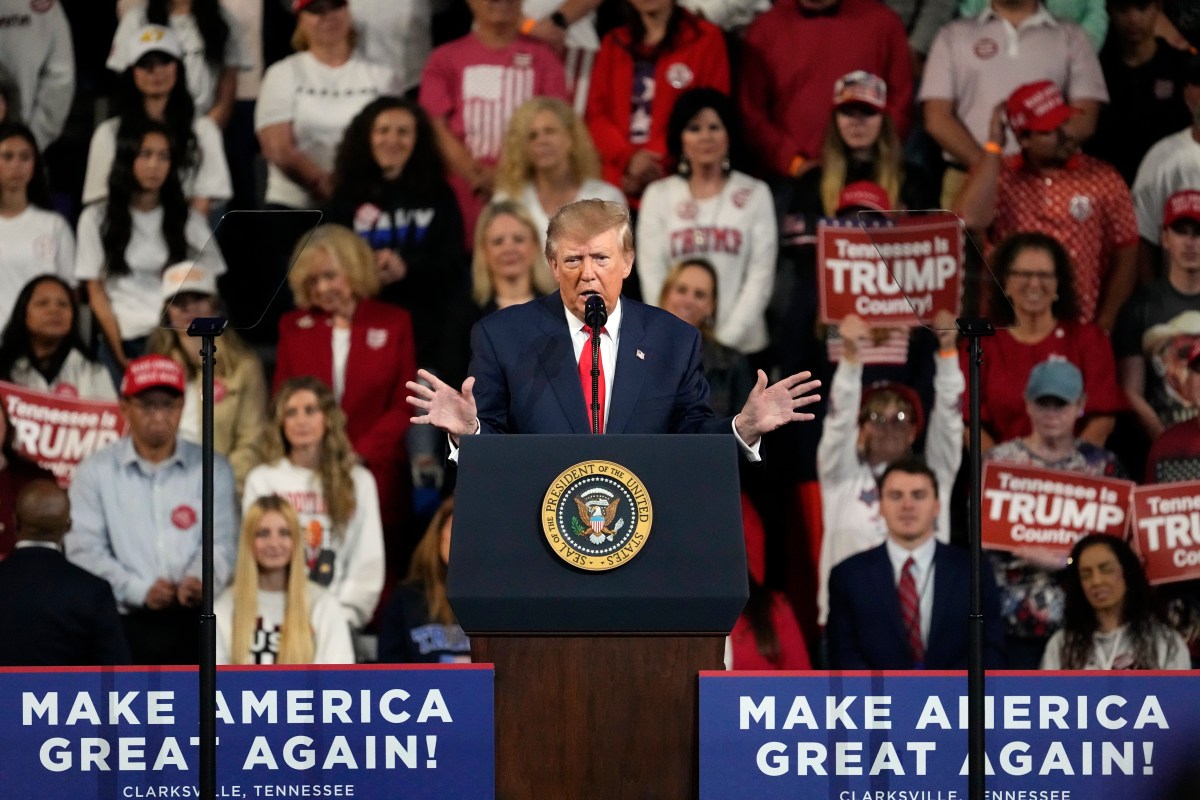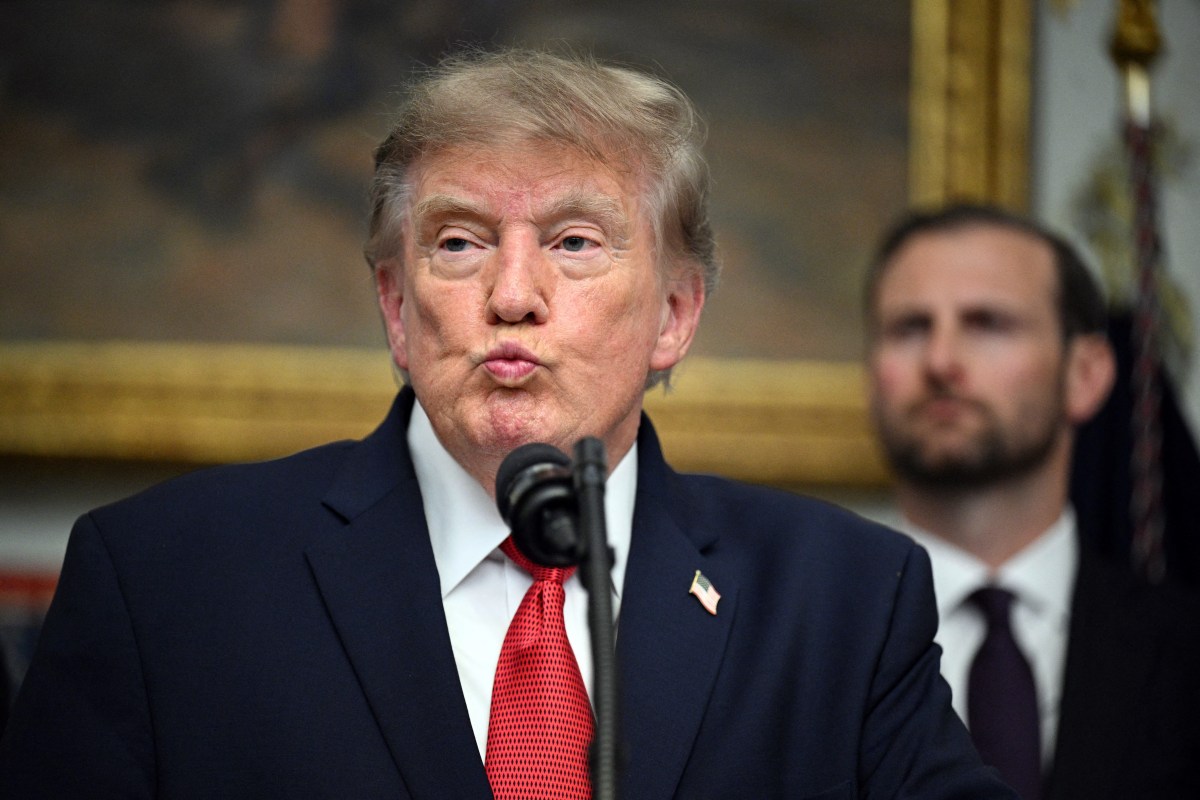
President Donald Trump is preparing to unleash an "ECONOMIC D-DAY" on Iran—his latest attempt to bully the Islamic Republic to relinquish control over the Strait of Hormuz and agree on a deal. In a Truth Social post last night, he promised "THE MOST CRUSHING ECONOMIC OPERATION EVER" and warned that any country found to be aiding Tehran will also find itself in the White House’s crosshairs. A bold choice of words on the day that America’s national debt tipped $40,000,000,000,000.
As Trump gears up for the next phase of conflict in the Middle East, the average American is feeling squeezed; at the grocery store, at the kitchen table, and especially at the pump. Yet, if you were born before Christ and spent a million dollars every single day in today’s money, you still wouldn’t have spent as much as the federal government does in a year, just to cover the interest on its debt. Waging war on Iran does not come for free.
With the economy firmly the number one issue on voters’ minds less than three months from the midterms, Republicans face an increasingly awkward question: how much economic pain can Trump dish out abroad before voters decide they have had enough of it at home? The latest Bureau of Labor Statistics (BLS) figures offer a fairly good tour of the American household budget, and it does not make for pleasant reading. Firstly, there has been a notable cost rise in pretty much all the areas that matter to the average American.
Overall consumer prices for goods were 3.5 percent higher in June than a year earlier. Food prices were up 3 percent. Food eaten at home rose 2.7 percent.
Eating out cost 3.4 percent more. Electricity was up 4 percent. Motor vehicle maintenance and repair rose 7 percent.
BLS found gas prices in June were 26.7 percent more expensive than a year earlier. Fuel oil was up 42.9 percent. Airline fares were up 26.5 percent.
Extract — continue reading at the source.