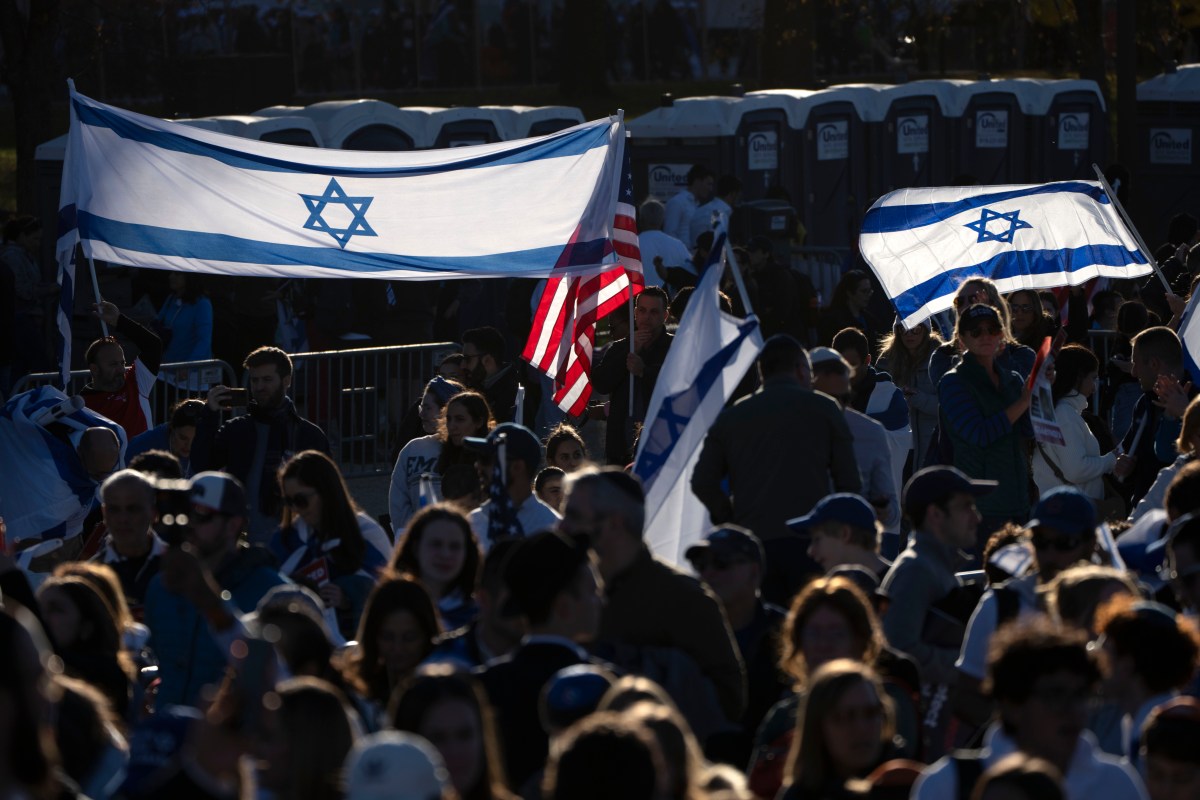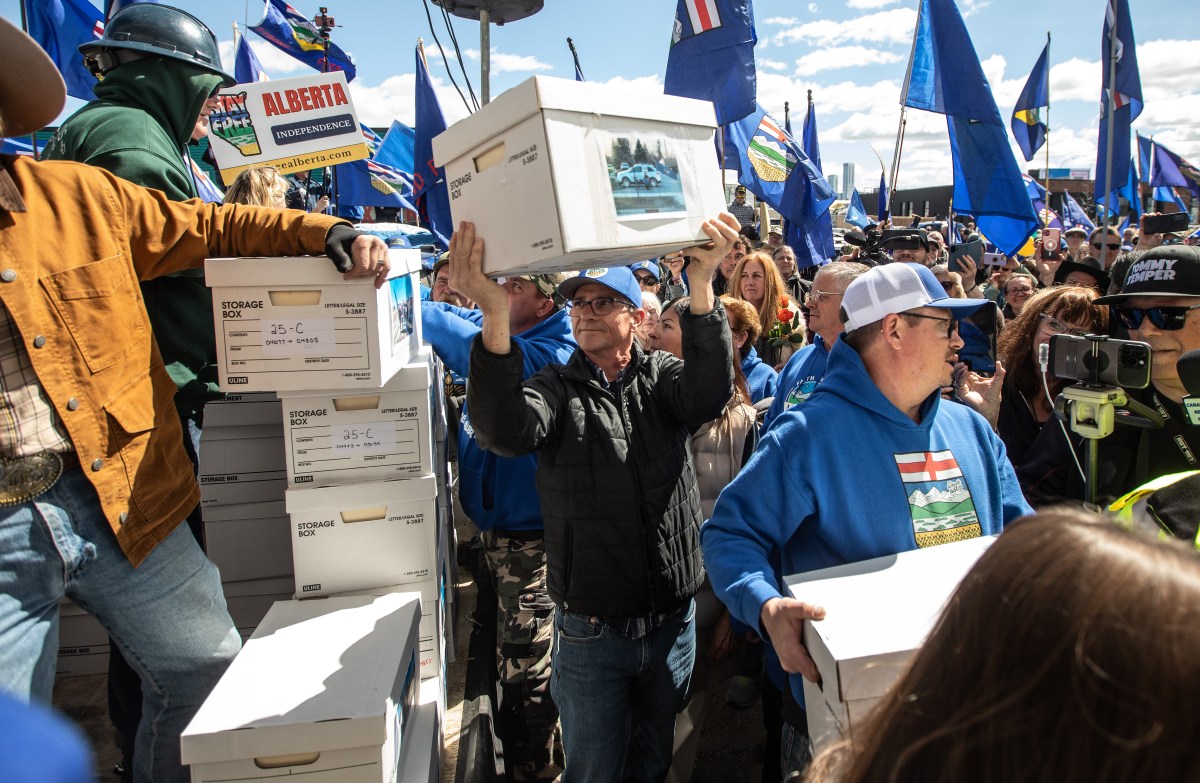
Alberta separatists are facing fresh scrutiny over claims they offered the United States access to the oil-rich province’s natural resources in exchange for support for independence. Over the weekend, Canadian newspaper The Globe and Mail published an investigation alleging that some members of the separatist group the Alberta Prosperity Project (APP) used meetings with U.S. State Department officials last year to ask for backing, offering oil royalty payments, fresh water supplies and land access for a railway to Alaska in return.
The Globe cited APP co-founder Dennis Modry, who said the group delivered a document that outlined “the potential benefits of Alberta sovereignty to the United States of America and to Alberta” to U.S. officials last year. But a lawyer for the group, Jeff Rath, denied his characterization, calling Modry “delusional.” Several Canadian members of Parliament (MPs) have since spoken out against what they said was jeopardizing the country’s sovereignty with one demanding an emergency debate to look into the report. It comes less than two weeks before Alberta is set to hold a referendum on independence.
While it will not automatically trigger secession, it will ask Albertans whether to begin the process by holding a binding referendum. In light of The Globe’s report, the nonprofit advocacy group Public Interest Alberta has called for a formal inquiry into whether foreign interference has taken place, saying campaigners “appear to have been colluding with American operatives.” When Newsweek reported on separatist meetings with Washington, D.C., in January, the White House said officials "meet with a number of civil society groups [but] no support or commitments were conveyed." The Globe’s report does not allege that any agreement was reached between separatists and U.S. officials. Newsweek has contacted the APP, the White House and the State Department via email for comment.
APP campaigners reportedly met with U.S. State Department officials at least three times last year—April 22, September 29 and December 16—all organized by Rath, according to The Globe. Modry said they proposed that the U.S. help pay for Alberta’s transition from a Canadian state to an independent country, with repayment potentially including the right-of-way to build a railway line through Alberta to Alaska, an idea U.S.
President Donald Trump supported during his first administration, and “oil royalties or land access for that rail line.” He also said they suggested offering access to Alberta’s agriculture, forestry, mining and precious metal resources and a possible switch to the U.S. dollar. Modry did not say he and his fellow campaigners were advocating for Alberta to become America’s 51st state, which some separatists support amid Trump's push to do so. Rath denied Modry’s version of events, telling The Globe: “If he’s trying to do all of this to undermine where we’re at in terms of the independence vote, this close to the referendum, he’s doing a good job.
Because none of that was discussed and it’s completely ludicrous.” He said the discussions were general, “about the aspirations of Albertans and Alberta for independence, and that was it.” In January, after The Financial Times reported that U.S. State Department officials had met with Albertan separatists three times the previous year, Rath said: "The U.S. is extremely enthusiastic about a free and independent Alberta," adding that he had a "much stronger relationship" with Trump’s administration than Canadian Prime Minister Mark Carney’s. State Department said at the time: “The department regularly meets with civil society types.
Extract — continue reading at the source.