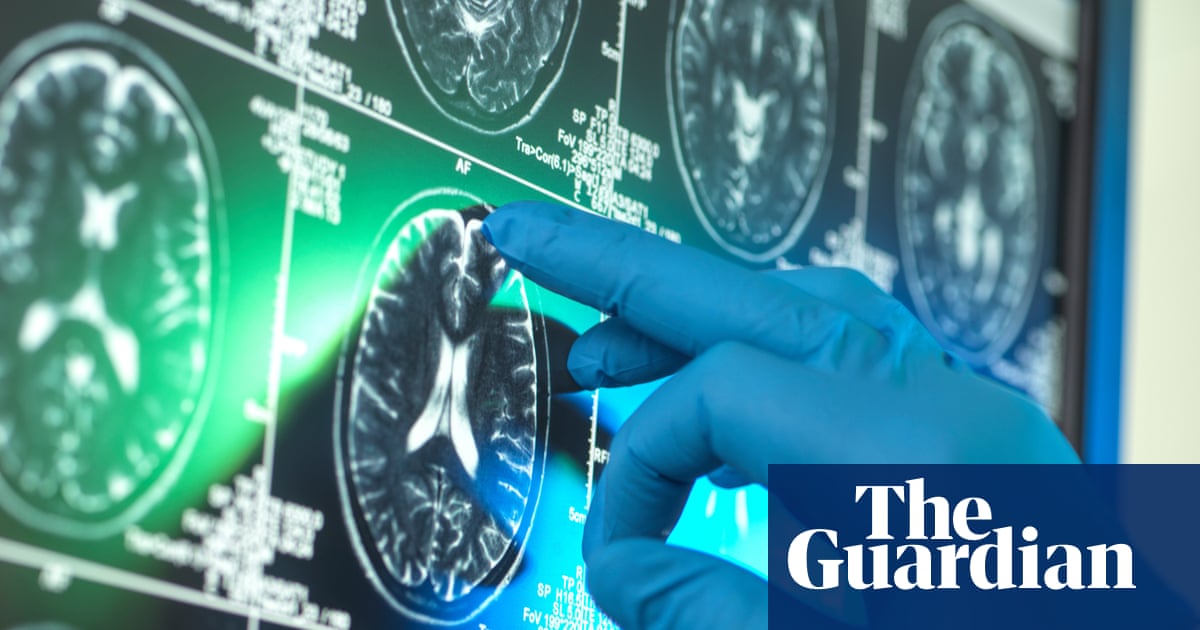
A new round of scientific grant cancellations has hit brain health and Alzheimer’s disease research at two leading research institutions, Emory University and the University of Pittsburgh. The latest cancellations are the Trump administration’s most recent effort to remove disfavored topics from the National Institutes of Health (NIH) $47bn scientific portfolio – and appear to target the study of the impacts of racism. The Guardian has contacted representatives of the US Department of Health and Human Services, which oversees the NIH, for an explanation of the cancellations.
It did not receive a response. At least three grants were canceled between the two institutions. In total, the cancellations represent $15m in grants that were meant to study how discrimination affects long-term brain health – millions of which have already been invested in the work.
The disease primarily affects older people, but is not considered a normal part of ageing. Although a majority of those people living with Alzheimer’s disease are white, Black Americans are twice as likely to develop it or dementia. We use that as a framing for why one population is at such high risk,” said Rosso.
In the spring of 2025, the administration canceled billions of dollars in federal grants with a perceived connection to “DEI”, or diversity, equity and inclusion. That kicked off lawsuits from major research institutions. A federal judge ruled those cancellations were illegal and ordered their reinstatement.
However, the Trump administration won in a shadow docket ruling from the supreme court, when justices voted 5-4 in an unsigned ruling that allowed the administration to cancel $783m in NIH funding. Grants targeted in this round of cancellations are not covered by that litigation. As a result, one leading attorney argued these cancellations represent a new round of “test cases” – a legal strategy the administration may be hoping is more legally defensible.
I think that’s what’s going on here.” NIH grants are typically awarded for several years and have regular check-ins with the funding institution. But Cohen and Rosso all had grants delayed for months in 2025 – at the time, the administration held up $65m in funding for a group of leading Alzheimer’s disease research centers nationally. Then, this winter, grants expected in January and February at both institutions did not come until June 2026.
Extract — continue reading at the source.