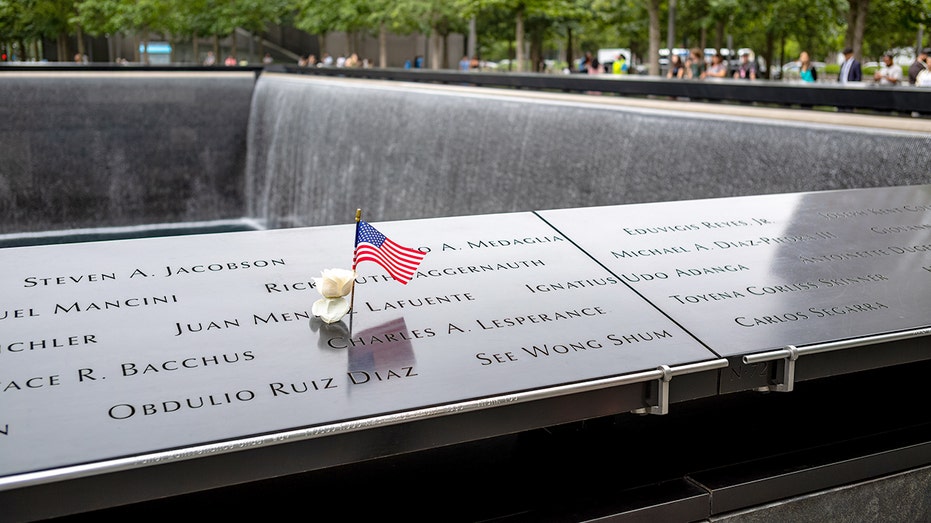
On the morning of Sept. 11, 2001, Javed Ali drove past the Pentagon on his way to work in northern Virginia. Roughly half an hour later, American Airlines Flight 77 slammed into the building. From his office in Falls Church, Ali could see smoke rising from the Pentagon.
A year later, in a turn that captured how dramatically the country had changed, he was walking into the still-damaged building himself — now working in the Defense Intelligence Agency's counterterrorism office. TRUMP CONFIRMS PENTAGON PLANS FOR 25TH ANNIVERSARY OF 9/11 ATTACKS, DISPUTES REPORT ON GROUND ZERO ABSENCE "It was a very eerie and odd and surreal moment in my career," Ali told Fox News Digital. Ali's career would eventually take him from the DIA to the newly created Department of Homeland Security and later the FBI, giving him a front-row seat to the enormous national security architecture America constructed after the deadliest foreign attack on U.S. soil.
Twenty-five years later, that architecture presents something of a paradox. By one of its clearest measures, the post-9/11 system appears to have made another attack on the scale of 9/11 far harder. The United States has not suffered another terrorist attack remotely approaching the scale and complexity of 9/11, which killed 2,977 people.
U.S. intelligence and military operations dismantled much of the al-Qaeda network that planned it, while new agencies, surveillance authorities, watchlists and intelligence-sharing systems were designed to ensure that another group could not exploit the same seams in American defenses. The 2026 U.S. intelligence community assessment said counterterrorism operations have degraded al-Qaeda and ISIS's ability to quickly rebuild their leadership and plan large-scale attacks against the U.S. homeland. But success against the threat of 2001 did not eliminate terrorism.
AMERICAN YOUTH RADICALIZED ONLINE, BUSTED IN SUSPECTED TERROR PLOTS AFTER HATING COUNTRY ON SOCIAL MEDIA Today's most difficult threats increasingly involve individuals radicalized online, small cells with little warning signature, foreign terrorist organizations seeking to inspire attacks from afar, and an expanding layer of cyber and state-sponsored threats capable of reaching deep inside the United States without hijacking an airplane. The question 25 years after 9/11, therefore, is not simply whether Americans are safer. They are safer from one kind of attack — while increasingly exposed to others.
AN AI CYBERATTACK COULD TURN OFF AMERICA'S LIGHTS BEFORE WASHINGTON EVEN UNDERSTANDS WHY The scale of the American response was extraordinary. Just over two months after the attacks, President George W. Bush signed legislation creating the Transportation Security Administration.
Extract — continue reading at the source.