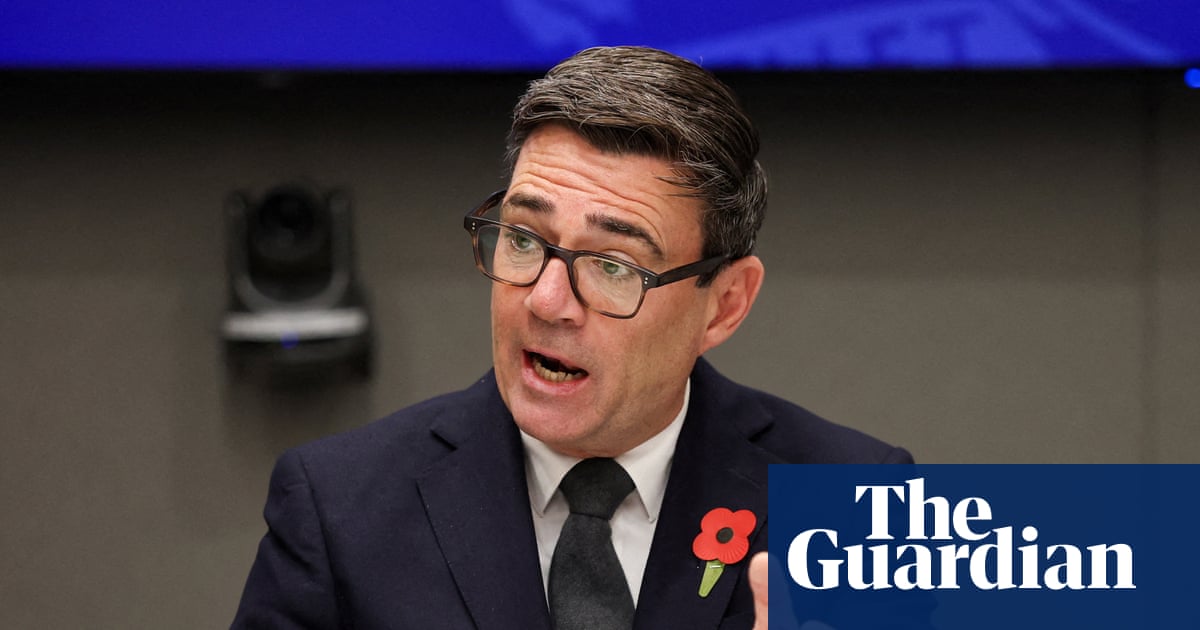
Andy Burnham has gone further than any previous prime minister towards offering a formal apology for Britain’s role in the transatlantic slave trade, in a Guardian article ahead of a Commonwealth leaders’ summit where the subject is expected to dominate. As he prepares to fly to the Caribbean next week, the prime minister said he was open to calls for an official apology on behalf of the state and offered formal talks to those affected, including individual countries and campaign groups at home and abroad. Burnham wrote: “The Britain I believe in is confident, decent and brave.
We led the world in abolishing slavery – and we can show leadership again today.” While any formal statement will depend on that dialogue, Burnham gave what amounted to a personal apology, saying he wanted to share his “sorrow and regret” for the pain and suffering of millions of people, and to recognise the way the slave trade still shapes the world now. However, he rejected demands from Caribbean countries and campaigners for the UK to pay financial reparations for its role in the slave trade, maintaining the position of successive governments that British people today could not be held liable for the past. He wrote that reparations were not the “right answer”, adding: “I do not think that British people today can be held liable for historical wrongs, however heinous, which happened in a different age under different laws and in which they played no personal part.” Instead, Burnham said he would launch a new drive to restructure debt for the poorest Commonwealth countries – led by former prime minister Gordon Brown and expected to eventually include organisations such as the IMF – helping them repay debt over a longer period and with better interest rates.
Debt servicing costs for the poorest and most vulnerable Commonwealth countries are at their highest in more than 25 years, he added, with more than 40% of those spending more on interest repayments than on health. Burnham’s intervention follows years of pressure from Caribbean states, backed by some African countries, for European nations including the UK, France and Spain to offer reparations – including monetary compensation, a full formal apology, support for health and education and debt cancellation. As recently as last week, the Commonwealth secretary general, Shirley Ayorkor Botchwey, said a formal apology for slavery from King Charles, who will attend the heads of government summit, “wouldn’t hurt” and the “time has come” for a serious conversation on reparations.
Writing for the Guardian, Burnham said: “The transatlantic slave trade was a brutal and barbaric violation of those people. They were denied their humanity. They were separated from their families, treated as property and worked to their deaths.
Listening to calls for a formal apology on behalf of the British state will form an important part of this process and I am open to them.” Burnham’s intervention received a cautious welcome from leading figures in the Caribbean. Dorbrene O’Marde, the chair of the Antigua and Barbuda reparations support commission, said his organisation welcomed the statement as “a movement in the correct direction in the interest of reparatory justice and humanity generally”. But, he added: “We reject the decision that financial reparations will not be on the table.” Ralph Gonsalves, former prime minister of St Vincent and the Grenadines and a senior figure in the Repair campaign, told the Guardian that an apology was the first point in the Caribbean community’s 10-point reparations plan but “though necessary, is insufficient”.
He added: “We are pleased to hear that [the UK] comes into a conversation. But it can’t be a conversation about nothing. It has to be a conversation about something.
Extract — continue reading at the source.