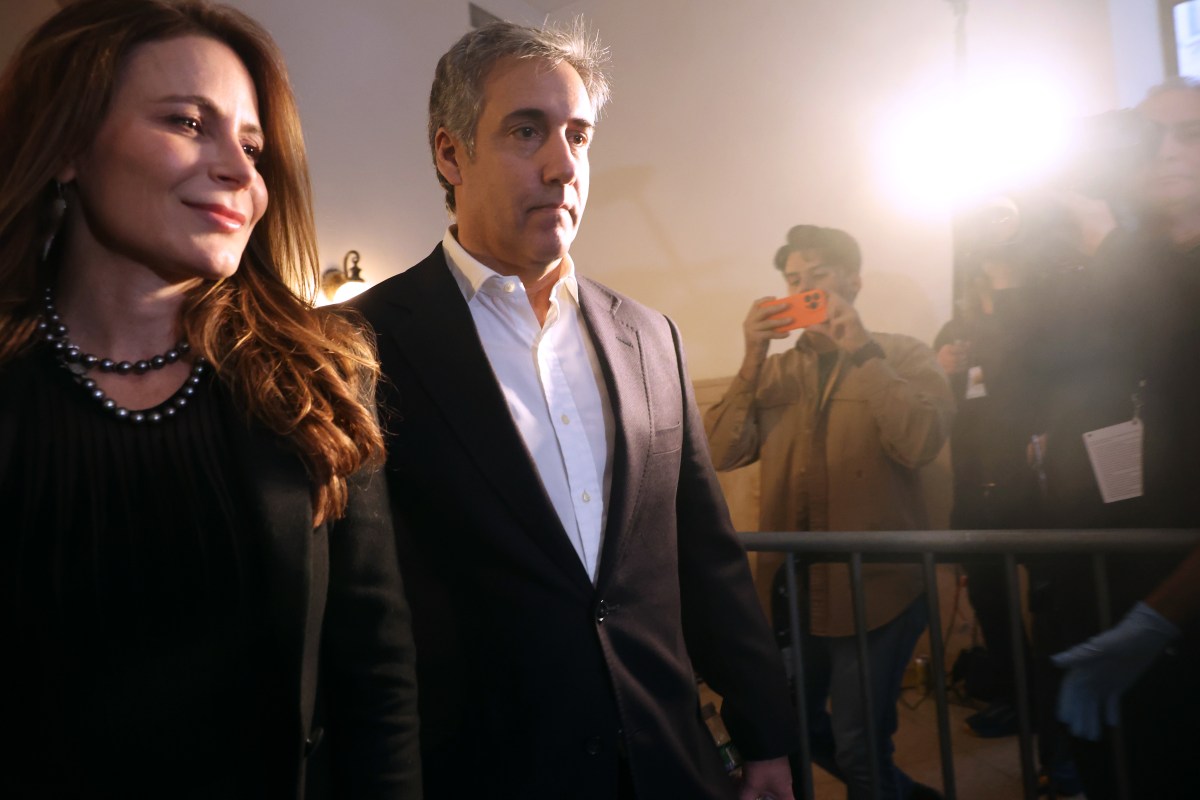
President Donald Trump celebrated an extraordinary political reversal Friday, saying on Truth Social that his former lawyer Michael Cohen had “fully RECANTED” his testimony against him—a claim that says almost as much about how Americans have consumed the Trump era as it does about Cohen himself. Trump's take on the facts goes further than Cohen's own words. In a January essay, Cohen wrote that he had felt “pressured and coerced” by prosecutors pursuing Trump and accused them of seeking testimony that supported cases they had already decided to bring.
He did not say that every damaging statement he made about Trump was false. Even with that distinction, the reversal is striking. Cohen spent years as one of the most recognizable defectors from Trump’s inner circle.
Now Trump is thanking him for his “Wisdom and Courage.” This isn’t another story about Cohen, but about us. American politics has repeatedly elevated people with complicated records into symbols because they appeared to possess something politically valuable: information capable of hurting Trump. Cohen was never an obvious candidate for sainthood.
In 2018, he pleaded guilty to federal crimes including tax evasion, false statements to a bank and campaign-finance violations, and separately admitted lying to Congress. He received a three-year prison sentence. Yet his break with Trump encouraged a different public identity: repentant insider!
But Cohen isn’t even the most spectacular prototype of this genre of political characters. Who can forget Michael Avenatti, who became a national celebrity in 2018 while representing Stormy Daniels, appearing constantly on television and eventually flirting with a presidential campaign of his own? The ending of his storyline was rather less cinematic: Avenatti was sentenced to four years in prison for defrauding Daniels and later received a 14-year sentence after admitting that he stole millions of dollars from other clients.
Avenatti’s crimes did not make everything he said about Trump false, just as Cohen’s history of lying does not automatically make his testimony false. The public's error was assuming that being used against Trump made either man admirable. The problem is political psychology.
Extract — continue reading at the source.