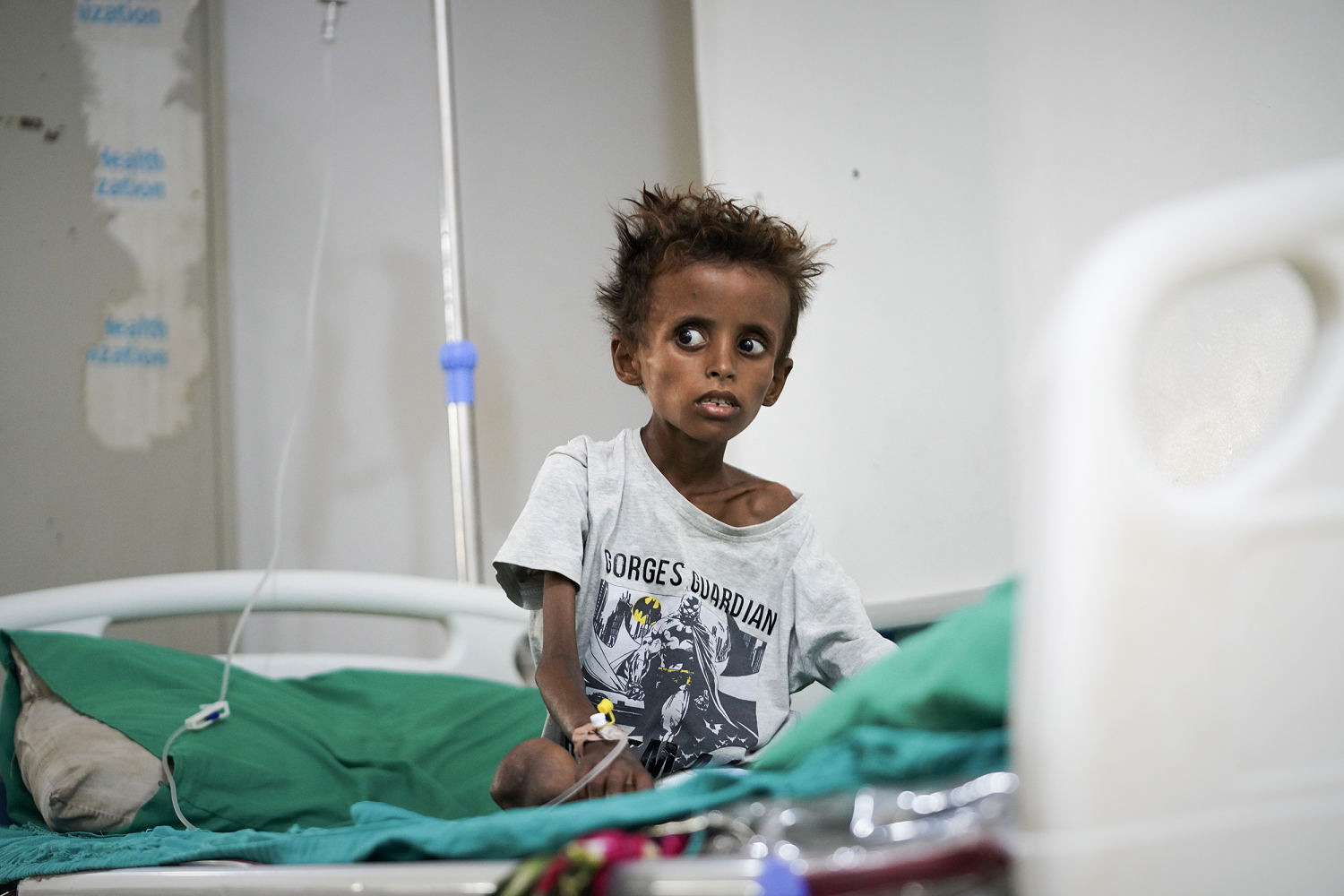
Fighting has erupted in Ethiopia's northern region of Tigray between regional forces and the national army. Tigray residents, who have been trying to recover from a brutal two-year war that ended in 2022, fear a return to full-scale conflict. There are reports of panic buying - and now internet and call services have been disrupted.
This means people cannot get access to their money via digital apps in what has become a largely cashless society after ATMs stopped working several months ago. It follows more than six months of worsening relations between the government and the Tigray People's Liberation Front (TPLF), the party that runs Tigray. The African Union (AU) brokered a peace deal, known as the Pretoria Agreement, between the two sides, ending the war nearly four years ago - but several issues have remained unresolved that have inflamed tensions.
This year, both sides have been trading blame while troops have mobilised amid pockets of fighting. This week, major clashes erupted in Tigray and quickly spread into the neighbouring Afar and Amhara regions. The two sides disagree over who started the latest escalation.
The TPLF says it was responding to a federal offensive, including drone strikes, while the government says Tigrayan forces attacked first after seizing control of airports in Tigray. For much of Tigray's modern political history, it has been governed by the TPLF, which first emerged as an armed movement in the 1970s fighting Ethiopia's military government. It became a major force in the overthrow of the Marxist regime in 1991 and went on to become the most powerful component of the Ethiopian People's Revolutionary Democratic Front (EPRDF), the coalition that governed the ethnically diverse country for nearly three decades.
At times this proved contentious as some felt the TPLF held too much sway as Tigrayans only make up around 6% of Ethiopia's population. When Abiy Ahmed became prime minister in 2018, he replaced the EPRDF with the Prosperity Party, significantly watering down the TPLF's influence. Relations between Addis Ababa and the TPLF rapidly deteriorated until war erupted in 2020 in what was one of the most deadly conflicts this century.
The AU mediator estimated some 600,000 people died during the war, which totally cut off Tigray from the outside world and drove the region to the precipice of famine. An uneasy truce was agreed in November 2022. There are four key issues - and two concern the fertile area of western Tigray.
Extract — continue reading at the source.