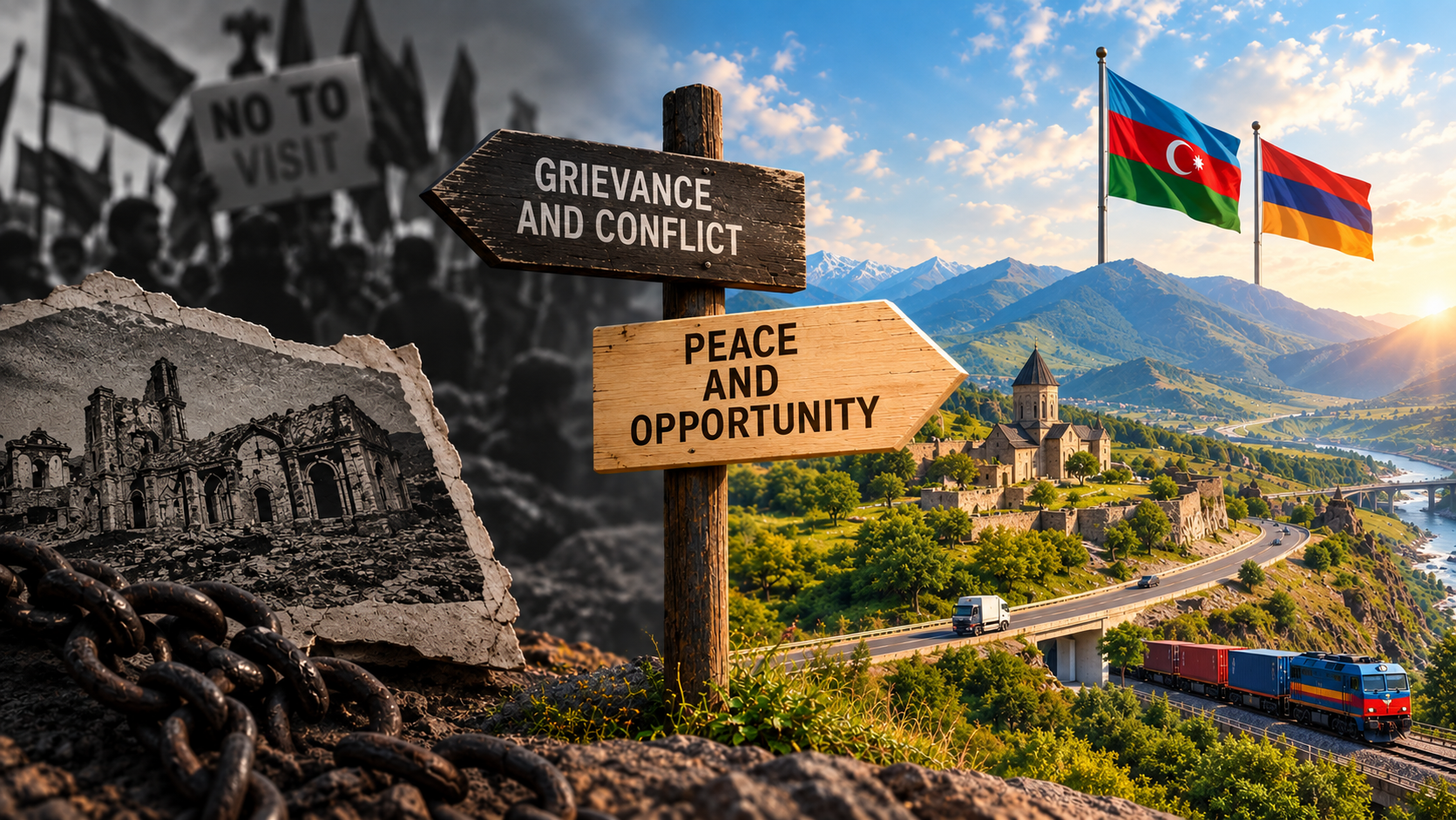
Keeping old wounds open has always been easier than building new bridges. Yet as cities are rebuilt, supply chains are reconnected, and pragmatic diplomacy begins to quiet the noise of inherited grievance, those who built careers on perpetual conflict find themselves losing their audience. The smear campaigns that we witness nowadays are not evidence of strength but rather proof of irrelevance as the region is forging its own path towards peace.
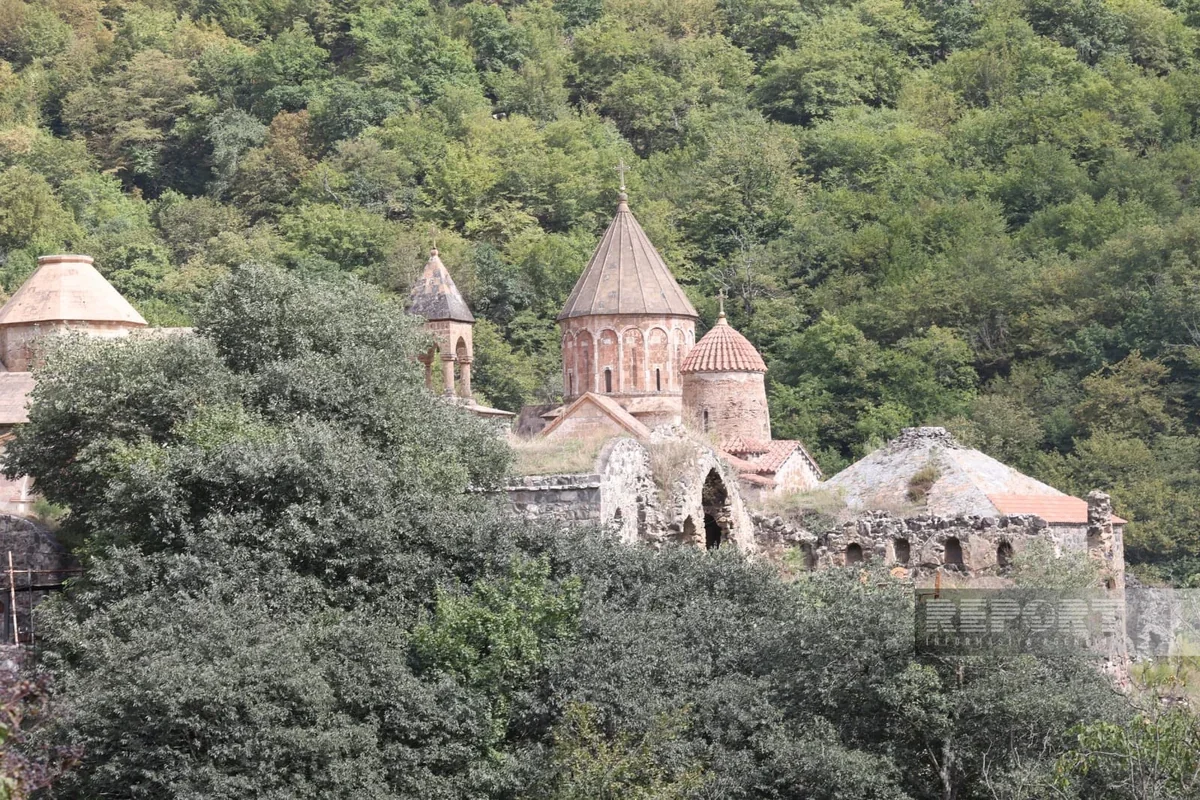
The same region, finally charting its own peace, leaving little room for those whose influence depended entirely on its destruction. This month it was a diplomatic tour - 150 representatives from 58 countries and nine international organisations, walking through Shusha, Gandzasar (Ganjasar), Dadivank (Khudavang), Aghdara, Kalbajar, territories that spent thirty years as a closed military zone rather than a place anyone could actually visit. The response from parts of the Armenian diaspora was not measured disagreement.
It was fury, in language too crude to reprint, directed at ambassadors for the offence of showing up and looking around. One widely shared post called them "political prostitutes." Another demanded formal diplomatic notes be sent in protest, not against any documented harm, but against the fact that foreign officials had been permitted to see the region with their own eyes rather than take a single community's word for what stood there. But there is something worth sitting with in that reaction.
A society genuinely confident in its account of events does not need to keep outsiders from looking. It invites them, and trusts the evidence to speak. The energy on display here, the insults, the demands for censure, the fury that anyone dared laugh at a political jibe, reads less like the defence of a historical truth than the defence of a narrative that cannot survive contact with the ground it describes.
The industry that needs the wound to stay open However, in all senses, none of this is to dismiss what either side has lost. Displacement is real on both ends of this conflict: the hundreds of thousands of Azerbaijanis driven from Karabakh and its surrounding districts in the 1990s, and the Armenians who left the same land in reverse thirty years later. Grief is real for both peoples, and both trace their national memory through centuries of hardship that entitle them to mourn what these decades cost.
Azerbaijan has its own dead, its own destroyed towns, its own generation raised on stories of a home they had never seen and might never return to. But there is a difference between two nations mourning and processing loss in parallel, however unevenly, and a diaspora lobby that has, consciously or not, built an entire political identity around never being allowed to move past it. To some of the organizations based in Paris, Los Angeles and Beirut, this conflict is not just something to remember.
Extract — continue reading at the source.