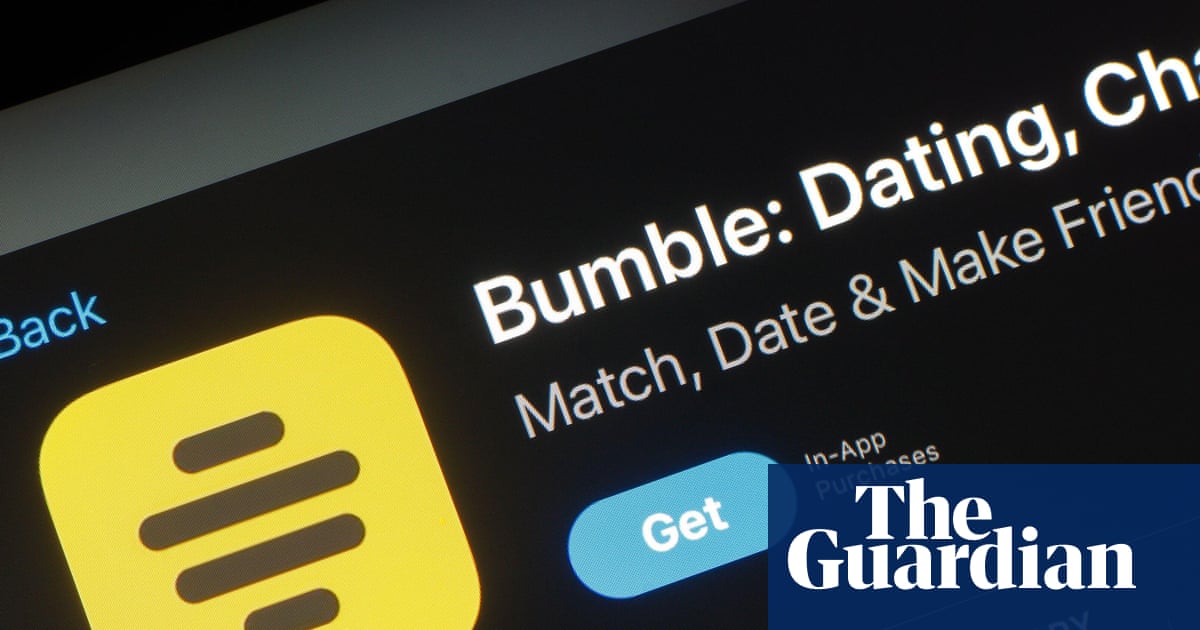
When it launched in 2014, it offered women a simple proposition: if you matched with a man, you had to make the first move. The rule was meant to make online dating safer and less intimidating, while giving women control over who got to speak first. The change follows the introduction of Opening Moves, which had already softened the original rule, and comes as Bumble prepares to abandon another defining feature: the swipe.
The company says it is responding to changing user behaviour and wants to encourage more meaningful connections. But there is another way of reading the changes. Bumble was created to fix what many saw as Tinder’s chaotic and aggressive hookup culture by shifting the power dynamic entirely to women.
Now it is dismantling those features. Across the dating-app industry, the swipe-and-match model that transformed how people met is being quietly reworked while companies race to put artificial intelligence at the centre of whatever comes next. This risky, standout pivot suggests they’re wondering how, despite all that, to keep going.” The number of Bumble’s paying users fell sharply over the past year and its share price has been under sustained pressure.
The company cut about 30% of its workforce this year. The online dating industry, estimated to be worth almost £10bn globally, is keenly aware of this. Grindr – seen as a testbed for the wider industry – is transitioning into an “AI-first” platform.
Tinder is testing Chemistry, an AI-powered system intended to reduce “swipe fatigue”. Bumble has been developing an AI matchmaking assistant called Bee. Other startups are dispensing with swiping altogether.
London-based Fate describes itself as an “agentic AI dating app”: instead of browsing profiles, users are interviewed by an AI about what they want from relationships to find similarities with potential partners. So why aren’t we talking about being on the brink of a brave new world of dating apps, where AI will successfully sift the candidates to find our one true love? Why, instead, is the debate about whether the apps will even survive?
Extract — continue reading at the source.