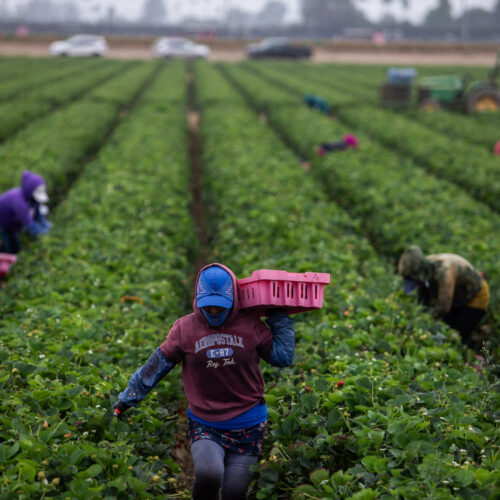
For the nation’s 2.4 million farmworkers, climate change is poised to exacerbate the harms of pesticides, a growing body of research shows. Heat stresses the body, making it more vulnerable to pesticides and other toxicants, and protective clothing worn in the heat only adds to this stress. Hotter temperatures can also lead to higher evaporation rates, increasing farmworkers’ exposure as more pesticides are applied to crops.
And heat can boost rates of chemical transformation of pesticides into more toxic compounds. You are exposed to it through your other organs like skin. Your skin can absorb some of the pesticides [that are] in the air, and also when you’re sweating as part of doing your work you are increasing the pore size of your skin,” said Omanjana Goswami, a scientist in the food and environmental program at the Union for Concerned Scientists, an advocacy group.
There is no other word for it.” In addition to threatening workers, rising temperatures likely will expand pesticide use, as pests and pathogens enlarge their ranges and more weeds spring up in crops, according to a report by the Union for Concerned Scientists. Thousands of US farmworkers suffer annually from acute pesticide poisoning, although data is limited, according to the Union for Concerned Scientists report, citing the Environmental Protection Agency. Many cases go unreported, and states also have different reporting practices.
The problem affects a population that is particularly vulnerable. A majority of US farmworkers were born in other nations and are people of color. Jeannie Economos, pesticide safety and environmental health project coordinator at the Farmworker Association of Florida, characterized farmworkers as “landless farmers.”
Extract — continue reading at the source.