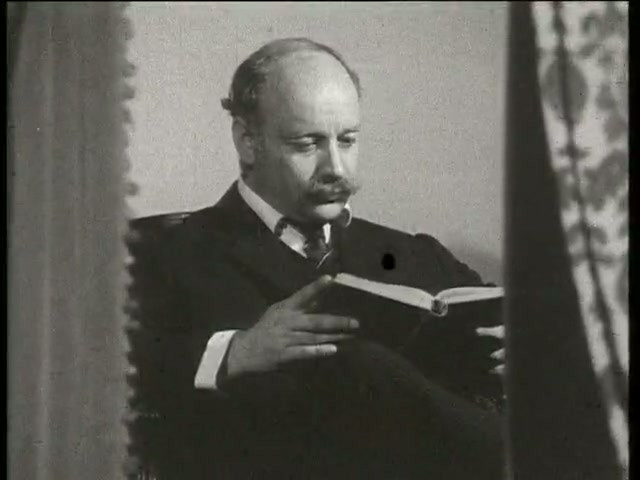
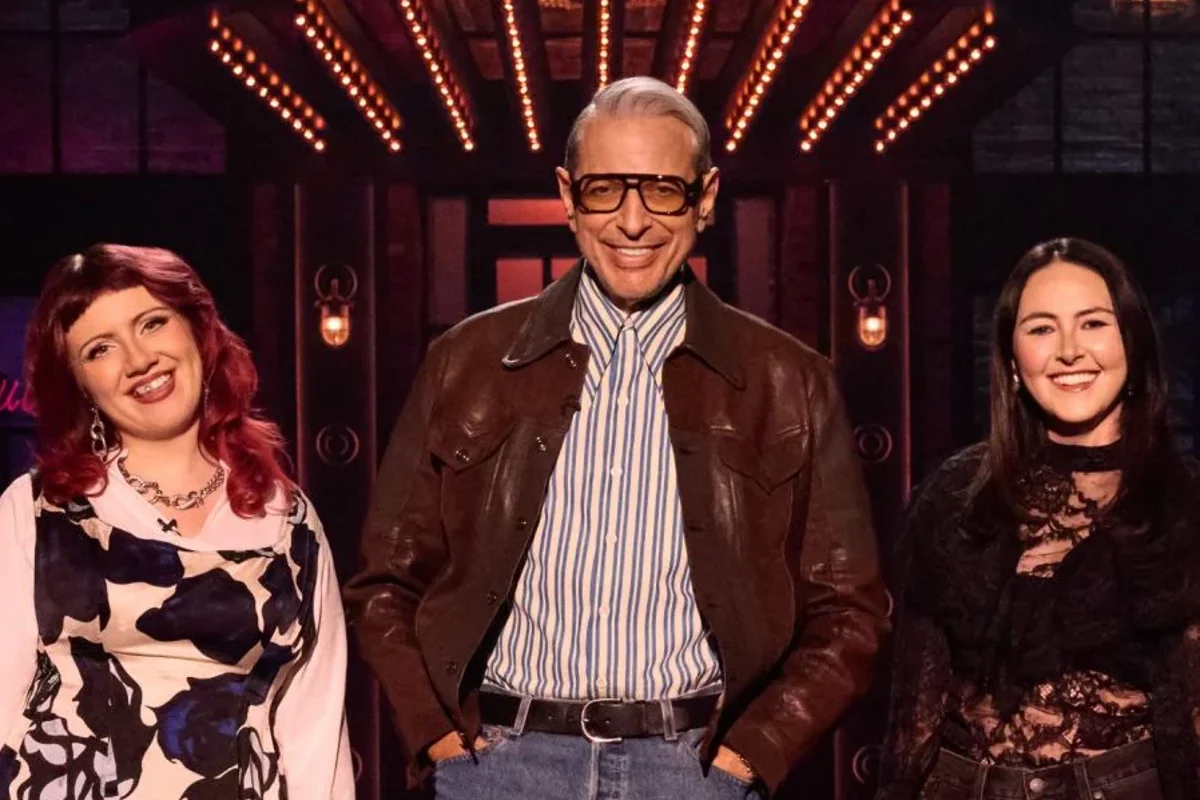
That speaks well for a four-part series examining the fatal shooting of 19-year-old Kumanjayi Walker by Northern Territory police officer Zachary Rolfe in the remote community of Yuendumu, tracing how the 2.6 seconds between the first shot and the last upended the lives of those involved as well as the national discourse. In his directorial debut, Darren Dale uses archival footage, courtroom testimony and intimate interviews with both families to reconstruct the case from multiple perspectives. Produced by both Dale and Jacob Hickey for Blackfella Films, “2.6 Seconds: Death in the Outback” is co-commissioned by SBS and NITV, with major investment from Screen Australia’s First Nations department and Screen NSW, and produced in association with All3Media International.
The series arrives on the heels of Dale’s 2012 production “The Tall Man,” about the death of an Aboriginal man in police custody on Palm Island, and his AACTA-winning drama “Total Control,” which also premiered at the Primetime strand at TIFF in 2019. We’ve programmed other Blackfella Films productions at TIFF, including ‘Total Control’ in 2019, which went on to win best TV drama at the AACTA Awards. We’re excited to see how audiences respond to ‘2.6 Seconds’ this September.” Variety spoke with Dale about making the series and what he hopes international audiences take away from it.
What led to your covering this case? And what did filming the series reveal to you about Australia? Dale: We made a film in 2011, “The Tall Man,” about the death of Mulrunji Doomadgee in police custody on Palm Island.
In 2019 you have nearly the same thing play out again, a young Aboriginal man dead at the hands of police. What struck me was the disparity in how Aboriginal people are treated by the justice system when a calamitous event like this happens. It was about trying to make the country care: to see that this young man’s life is as valuable as if it were anyone’s own grandson, son, brother.
Two men, eight or nine years apart, from two very different places, come together in a room, and within a short space of time one of them is dead. What led us to that point? For me the project was: How do we make the country care, how do we make the world care?
The series centers around a moment, expanded over four episodes. How did you decide what needed to be unpacked in order for an audience to understand what happened in that moment? Dale: We live in a world where conversations quickly turn to binaries: people jump to certainty rather than sitting with what’s difficult.
Extract — continue reading at the source.