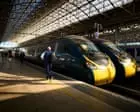
Avanti West Coast paid out more than £20m to passengers in just three months this summer in refunds for disrupted journeys on Britain’s main intercity rail network. The intercity operator paid out almost as much in a four-week period to 25 July – £9.3m – as its annual profits for each of the past two years. It repaid a further £12.2m in the subsequent eight weeks.
The “delay repay” compensation bill for slow-running or cancelled services has been spiralling upwards across the railway network in recent years, according to official figures, with Avanti the biggest payer – although never before at this scale. Most train operators are yet to publish this year’s payouts. According to the most recent published financial figures from the Department for Transport (DfT), covering all operators, the total passenger compensation for delays rose to £150m across the railway in 2024-25, up 8% compared with the previous year, of which about 27% was Avanti’s payouts (£40.5m).
Fare inflation and efforts to make passengers aware of their rights have contributed to the industry’s soaring bill, as well as the delays themselves. Compensation has become increasingly automated and some operators now proactively repay passengers who have been delayed. Under the contracts that replaced the franchising system since the pandemic, train operators’ income comes from fees paid by the DfT instead of depending on fare revenue, with the taxpayer instead taking any profit or loss from ticketing income or refunds.
Avanti, which is due to be taken into public ownership next year as part of Great British Railways, paid out more than £50m in 2025-26, and is expected to pay out more than £70m this financial year. As heatwaves hit the railway, fewer than half of Avanti trains ran on time in July with passengers delayed by an average 19 minutes, according to figures from the Office of Rail and Road. Its peak payout period also covered the incursion of a large herd of cows on the tracks for several hours one Tuesday.
Long-distance operators typically pay out the largest sums, with customers more likely to claim owing to the expense and the chance of delays reaching the 60-minute threshold where fares are refunded in full. Avanti and GWR are unusually generous among long-distance operators in paying compensation for delays after 15 minutes, when passengers are eligible for refunds of 25% of the fare paid. GWR, which runs trains from Wales and the south-west to London, and LNER, which runs London-Scotland trains on the east coast mainline, were the next highest refunders in 2025, paying back £29.7m and £28m respectively.
The number of compensation claims filed by passengers across Great Britain’s railway reached 9.1m in 2026, up almost 10% year on year, with 80% of the claims approved, according to data from the Office of Rail and Road. An Avanti West Coast spokesperson said: “We apologise to customers affected by train delays. A range of factors can impact service performance, and we are working closely with our industry partners to improve punctuality and reliability across the network.
Extract — continue reading at the source.