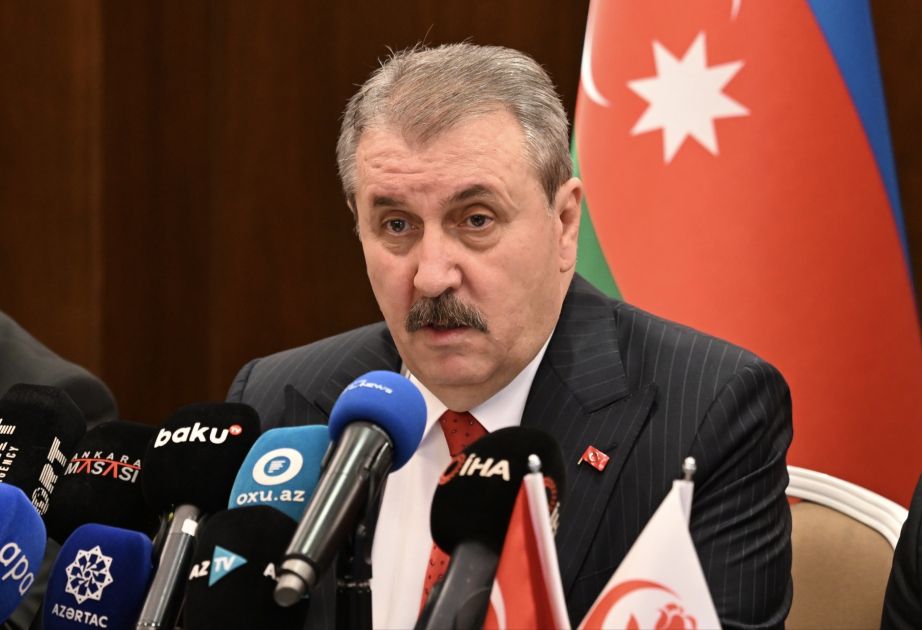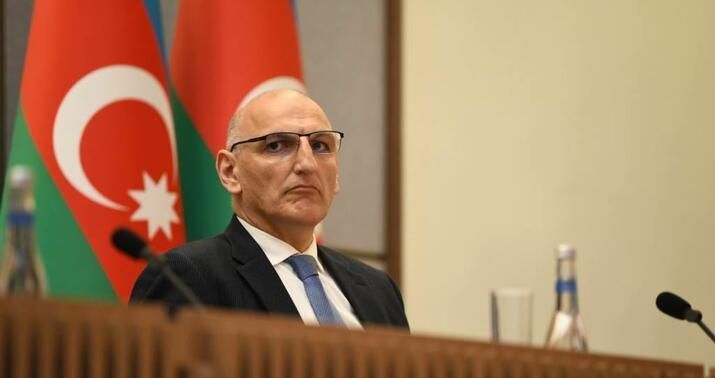
Azerbaijan has called for greater international support for mine action, arguing that demining should be treated not only as a humanitarian responsibility but also as an essential component of peacebuilding and the long-term normalization of relations between Azerbaijan and Armenia. Addressing the second day of the 4th International Mine Action Conference in Baku on Thursday, Elchin Amirbayov, Representative of the President of Azerbaijan on special assignments, said peace could not be considered complete while landmines continued to threaten lives, obstruct the return of internally displaced persons and hinder economic recovery. But the mines have not,” Amirbayov said.
He stressed that the physical consequences of war continue to affect the prospects for sustainable peace. According to him, humanitarian demining has therefore become “much more than a humanitarian task” and should increasingly be viewed as a peacebuilding effort. Amirbayov recalled the August 8, 2025 Washington process between Azerbaijan and Armenia, when the text of the peace agreement was initialled and the two countries’ leaders signed a joint declaration outlining a vision for relations beyond their decades-long conflict.
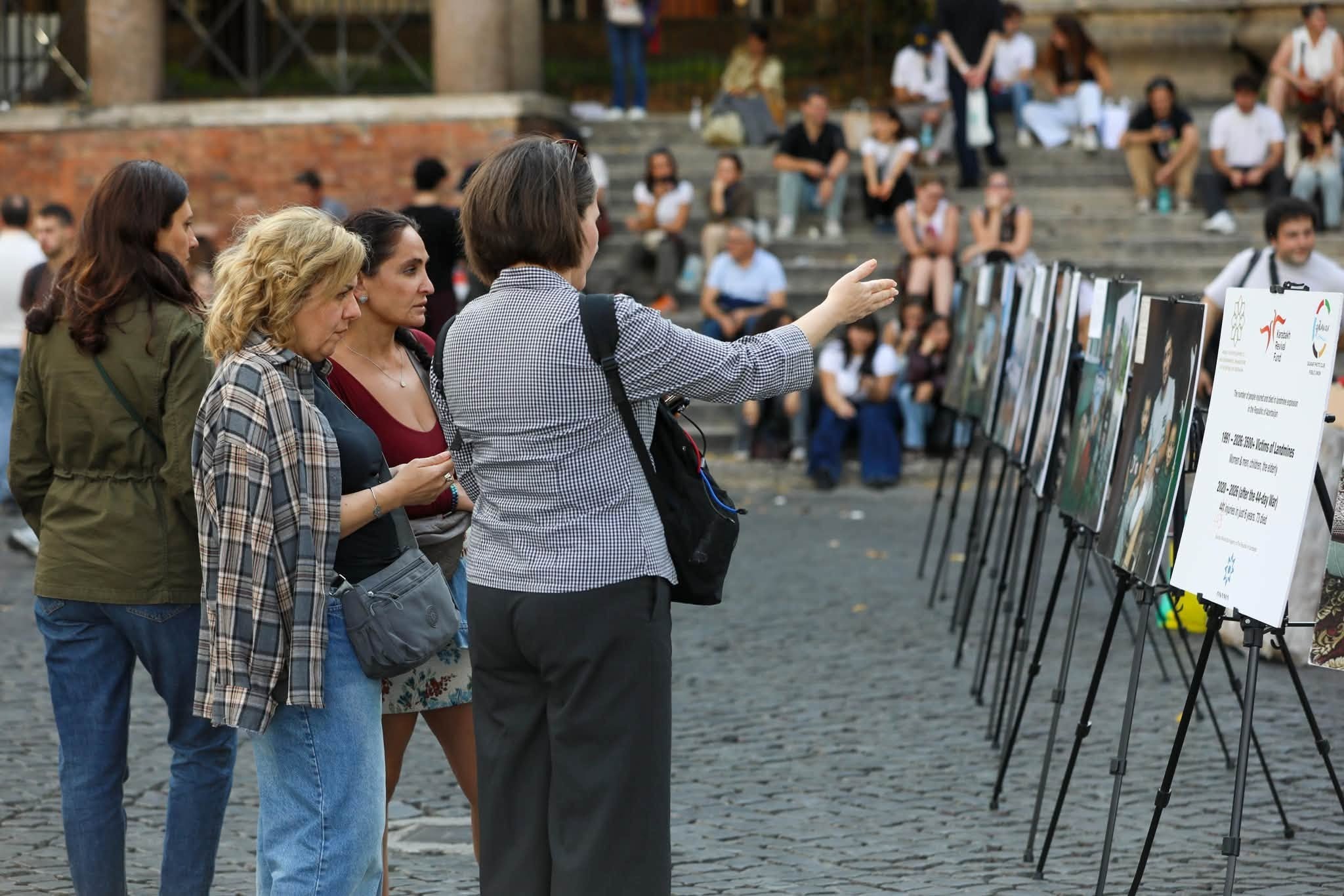
He said that since the Washington meeting, Azerbaijan and Armenia had experienced de facto peace, with no military escalation between the two countries, while government and civil-society dialogue, trade, economic interaction and connectivity initiatives had continued. However, he argued that political agreements alone were insufficient to make peace tangible for communities. Since the end of the 2020 war, 437 people in Azerbaijan have been killed or injured by landmines, according to Amirbayov.
He said each new casualty not only represents a humanitarian tragedy but also affects public confidence in the normalization process. It hampers the atmosphere in which peace is being built,” he said. Amirbayov also highlighted the scale of the contamination, saying more than 13 percent of Azerbaijan’s territory had been affected by mines and unexploded ordnance, while 75 percent of mine-contaminated territory remained affected by the threat.
The issue has become particularly significant as Azerbaijan continues its large-scale reconstruction and Great Return process in the territories previously affected by the conflict. Former internally displaced persons are returning, while residential areas, roads, schools, hospitals and economic infrastructure are being reconstructed. Against this backdrop, he called for a stronger and more predictable international role in Azerbaijan’s mine-action efforts.
According to Amirbayov, approximately 95 percent of financing for mine action in Azerbaijan currently comes from the country’s own state resources, while only around 5 percent comes from international sources. Amirbayov proposed the creation of a long-term international funding mechanism for Azerbaijan’s mine action, emphasizing the need for predictable, multi-year financing rather than relying primarily on emergency contributions and individual projects. Such funding, he said, would allow Azerbaijan to plan operations, recruit and train personnel, invest in equipment and accelerate the clearance of contaminated areas.
Extract — continue reading at the source.