Every September 18, music takes on a special meaning in Azerbaijan. Concert halls fill, orchestras take the stage, opera houses return to familiar works and musicians across the country mark a date that has become inseparable from the history of Azerbaijani music. September 18 is celebrated as National Music Day in Azerbaijan in honour of Uzeyir Hajibayli, whose work laid the foundations of the country's professional musical tradition.
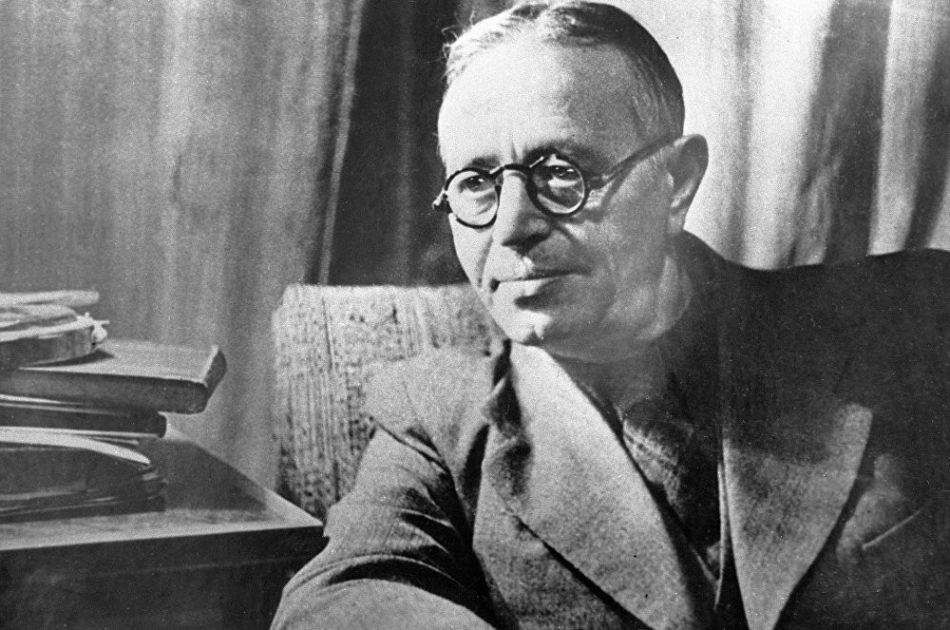
Uzeyir Hajibayli was born on September 18, 1885, in Shusha. This year marks the 141st anniversary of his birth. Since 1995, September 18 has been celebrated as National Music Day in Azerbaijan on the initiative of National Leader Heydar Aliyev.
The choice of date says much about Hajibayli's place in the country's cultural history. His name is tied to Azerbaijan's first opera, its early musical comedy tradition, the development of national composition and the study of folk music. The composer's work brought together two musical worlds that had long existed side by side: the oral traditions of mugham and folk song, and the formal language of European classical music.
The story of Azerbaijani professional musical theatre is closely connected with one evening in Baku in 1908. On January 12 (25), 1908, Hajibayli's "Leyli and Majnun" was staged at Haji Zeynalabdin Taghiyev's theatre. Based on the famous poem by Muhammad Fuzuli, the opera became the first opera not only in Azerbaijan but in the Muslim East.
It also laid the foundation for the mugham-opera genre. After "Leyli and Majnun", Hajibeyli continued to write operas including "Sheikh Sanan", "Rustam and Sohrab", "Shah Abbas and Khurshidbanu", "Asli and Karam" and "Harun and Leyla". His musical comedies reached an even wider audience.
"Husband and Wife", "If Not That One, Then This One" and "The Cloth Peddler" became enduring works of Azerbaijani theatre. "The Cloth Peddler", first staged in 1913, later travelled far beyond Azerbaijan and was translated into numerous languages. Then came "Koroghlu", widely regarded as the peak of Uzeyir Hajibayli's compositional career.
Extract — continue reading at the source.