What business does a country on the western shore of the Caspian Sea have courting governments thousands of kilometres away in Southeast Asia? At first glance, there seems to be little. The primary focus of Azerbaijan is in the South Caucasus region, as well as in its energy relations with Europe and the corridors through Central Asia.
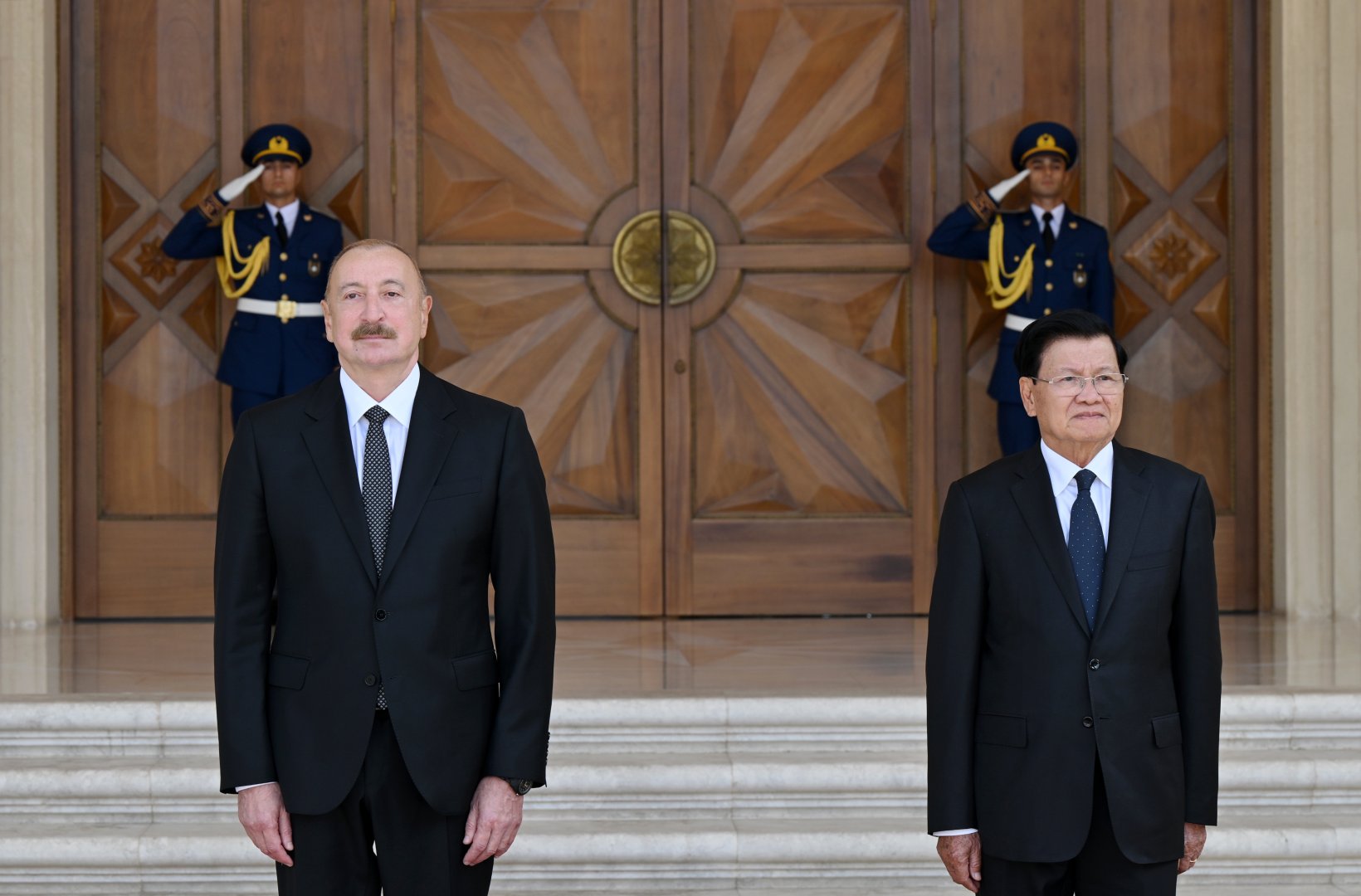
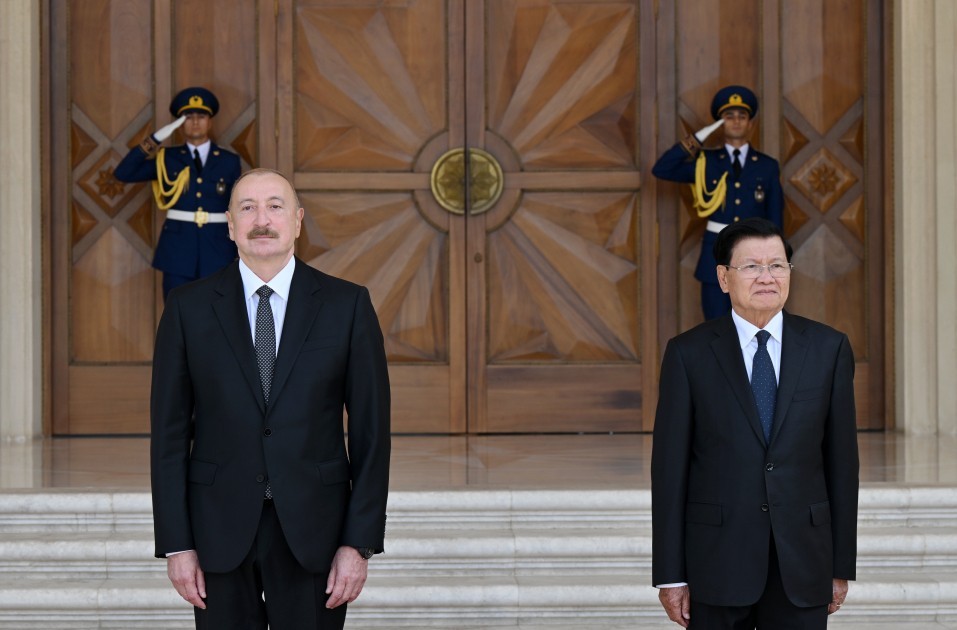
On the other hand, Cambodia finds itself in a market environment that is influenced by ASEAN, China, and the Pacific Ocean. But then again, that’s why their developing relationship is intriguing. On Monday, Cambodian prime minister Hun Manet arrived in Baku for an official visit and the forthcoming summit of the Conference on Interaction and Confidence-Building Measures in Asia (CICA).
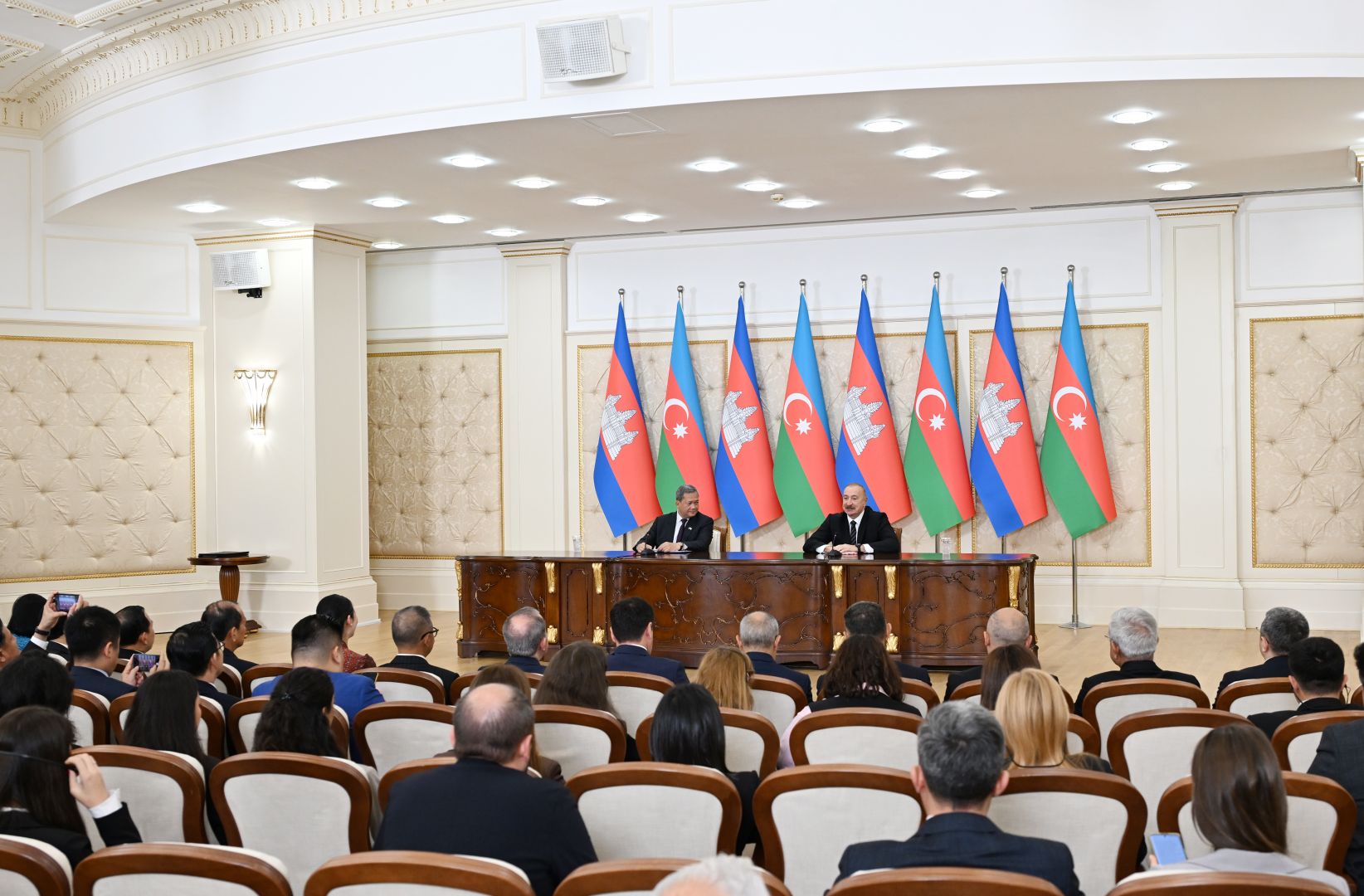
His meetings with President Ilham Aliyev produced agreements on double taxation, trade and economic cooperation, and ties between diplomatic education institutions. Individually, none of them is groundbreaking. Yet collectively, they give grounds to say that Azerbaijan is experimenting with the scope of its foreign policy - possibly discovering its direction for a new era.
The idea is possibly about becoming valuable to an Asian power through providing access to its markets and transportation network, which leads to Central Asia, the Caucasus region, and ultimately Europe. It is a realistic option rather than the rhetoric of friendship, usually expressed on such occasions. As always, Ilham Aliyev noted the discrepancies between the two countries, acknowledging the gap between political enthusiasm and commercial reality.
The two sides established a joint working group on trade and investment, while a business forum sought to introduce companies that have had little reason to encounter one another. In addition to geography, the president highlighted one other issue: “Another obstacle is the lack of information, and we need to close that gap.” This is an interesting revelation. Even though there has been diplomacy for well over three decades, familiarity does not mean there have been business dealings.
The agreements provide a starting point, not proof of any sort of economic breakthrough. Taxation without double taxation may simplify cross-border investments; a trade agreement may give policymakers a way to resolve such practical barriers. However, business requires customers, reasonable freight rates, dependable payments and predictable policies.
Extract — continue reading at the source.