The Shanghai Cooperation Organization (SCO) is entering a period in which connectivity and economic cooperation are becoming increasingly important alongside its traditional focus on regional security. As representatives gather in Bishkek, the organization’s evolving role offers an opportunity to consider a broader question: how can Eurasia’s increasingly connected economies make better use of their geographic advantages? The organization’s expanding economic and connectivity agenda is particularly relevant for Azerbaijan, which cooperates with the SCO as a partner.
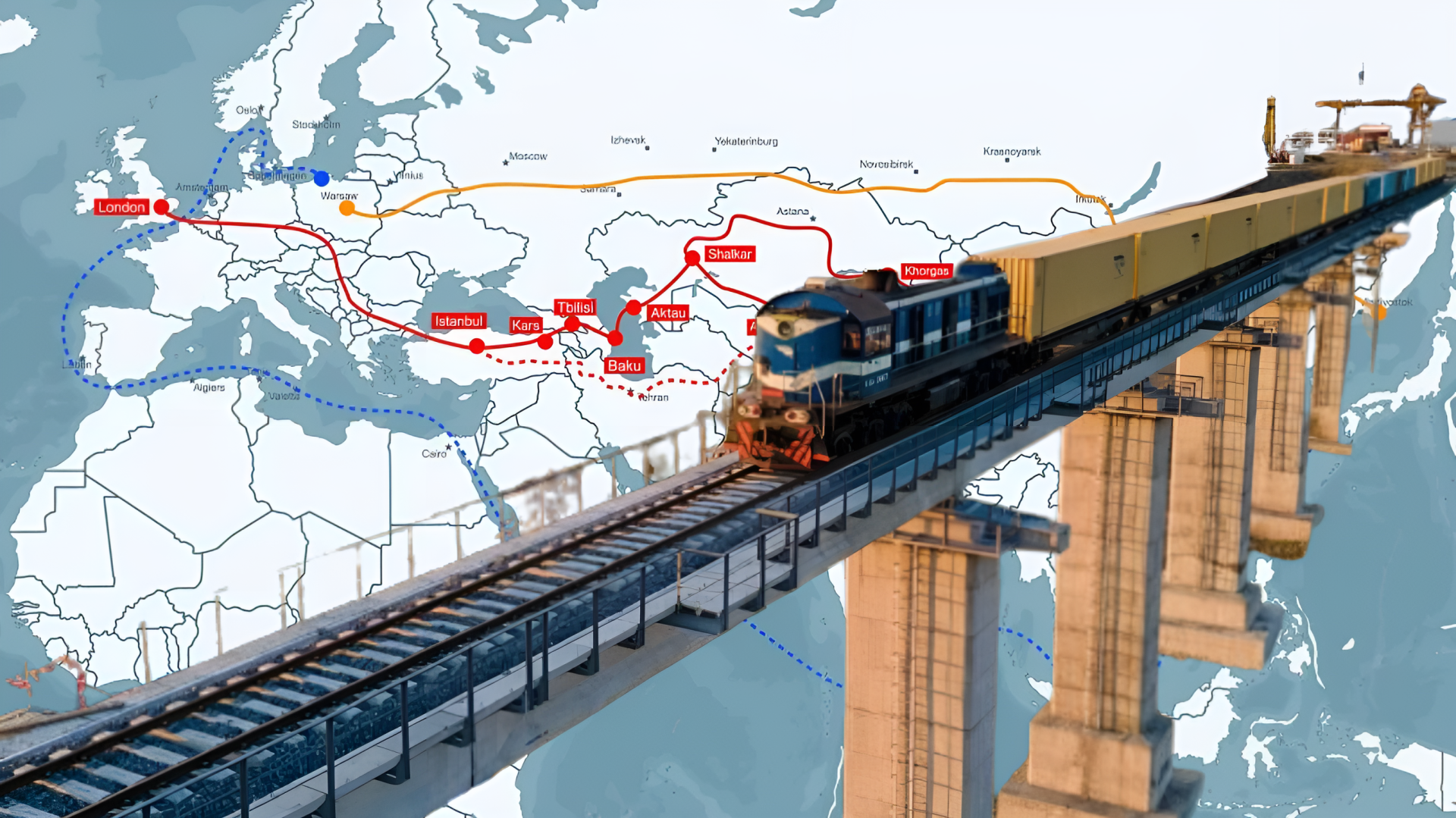
This is especially true because Azerbaijan has become an important link in the Middle Corridor, connecting Central Asia and China with the South Caucasus, Türkiye and European markets. The Middle Corridor, formally known as the Trans-Caspian International Transport Route, connects China and Central Asia with the South Caucasus and Europe through the Caspian Sea. Its importance has grown as businesses and governments across Eurasia have sought to develop efficient and reliable transportation links between major economic centers.
The SCO is particularly relevant to this discussion because its geographical reach includes many of the economies located along, or connected to, major Eurasian trade routes. China and the Central Asian states are central to the organization, while countries such as Iran, India, Pakistan, Russia and Belarus add further economic and geographic dimensions to the wider network. This does not mean that the SCO itself is becoming a transport organization, however, its growing emphasis on economic cooperation creates a platform where connectivity projects, trade facilitation and infrastructure development can complement one another.
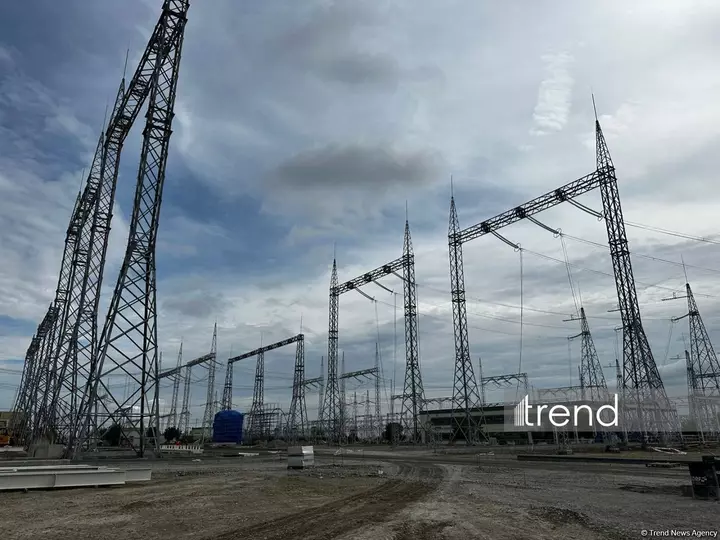
And for Azerbaijan, this presents a significant opportunity as the country occupies a strategic position between the Caspian Sea and the South Caucasus and has invested heavily in transportation infrastructure. The Port of Alat, the Baku-Tbilisi-Kars railway, highways, airports and other logistics facilities form an interconnected system designed to support international transit. According to Azerbaijani official figures, cargo traffic through the Middle Corridor via Azerbaijan has increased by approximately 90 percent since 2022.
At the same time, Azerbaijan is expanding the capacity of the Port of Alat from 15 million to 25 million tons annually, which illustrates an important change. The Middle Corridor is no longer simply a geographic concept on a map. Increasing cargo volumes and infrastructure investments indicate that it is gradually becoming a functioning component of Eurasian trade.
Besides, a successful international corridor requires more than individual infrastructure projects that push railways, ports, roads, customs systems and logistics companies to operate as one interconnected chain. A container moving from China to Europe does not benefit fully from efficient infrastructure in one country if it faces delays at a border or port elsewhere. This is why digitalization and coordination are becoming as important as physical infrastructure.
Extract — continue reading at the source.