Merchants once crossed the country along the Silk Road, carrying silk, spices, gold and other goods between Europe and the East. Today, the country attracts visitors with its Caspian coastline, mountain resorts, historic landmarks and distinctive cuisine. A new international study suggests that many more foreign tourists could visit Azerbaijan over the next decade.
According to a report commissioned by hotel group Accor and based on forecasts by Tourism Economics, overnight stays by international tourists in Azerbaijan could rise by 116% between 2026 and 2036. The report, titled The Changing Face of Europe’s Tourism Map by 2036, was covered by Romanian publications Afaceri.news and Mediafax. The report forecasts continued growth in Europe’s tourism industry over the next decade.
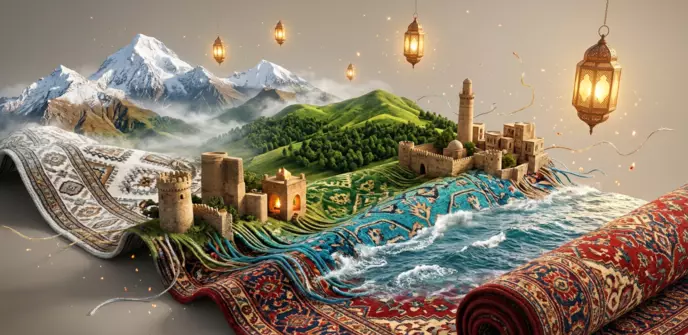
Demand for tourist accommodation across the continent is expected to increase by 32%, adding 1.6 billion overnight stays annually. The study identifies improved transport links, investment in tourism infrastructure, growing interest in new destinations and wider access to international travel as factors expected to shape Europe’s tourism market over the coming decade. The forecast comes at a time when the country has a wide range of attractions to offer, from the Caspian Sea to mountain resorts and historic sites.
But what will bring more visitors to Azerbaijan, and what will persuade them to stay longer? It is safe to say that history gives the country material for tourism beyond conventional sightseeing. Historic architecture, religious monuments, regional customs and traditional cuisine can all form part of a visitor’s experience.
The challenge is to make these attractions accessible to travellers who may know Baku but are less familiar with the rest of the country. Azerbaijan’s natural landscape also offers a varied choice of destinations. The Caspian coastline provides opportunities for seaside holidays, while mountainous areas attract visitors interested in skiing and outdoor activities.
Mild weather in some regions and the presence of mineral springs and other natural resources also support different forms of recreation and health tourism. These attractions appeal to different groups of travellers. Some may come for a city break, others for a ski holiday, a wellness stay or a closer look at the country’s history and cuisine.
Extract — continue reading at the source.