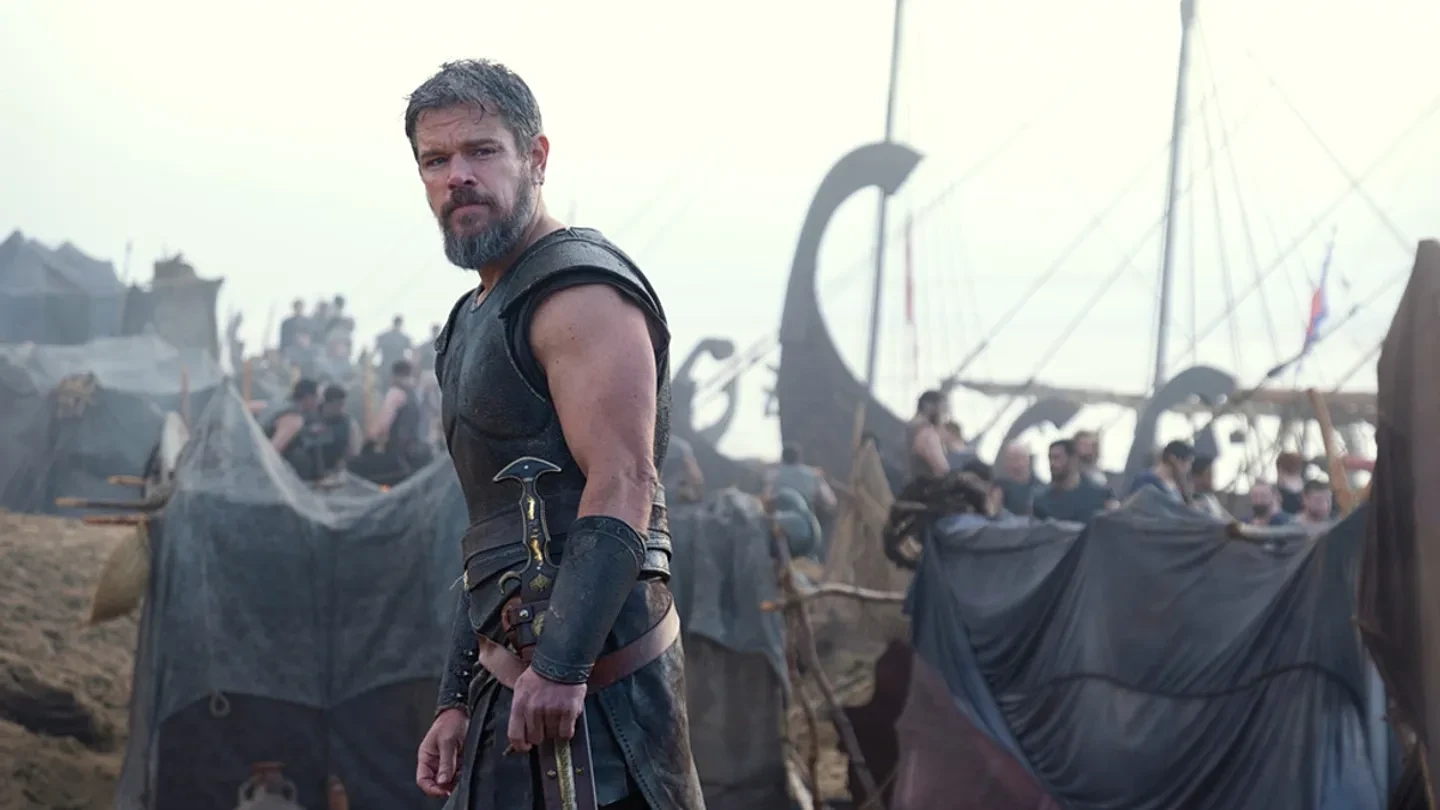
ZDF/Terra X in Germany, SVT in Sweden and Radio-Canada have acquired the documentary about the Venationes in Ancient Rome, which incorporates historical research with AI-driven reenactments International distributor Balanga has announced its first major international sales of its documentary “Beasts of the Colosseum,” produced by Antoine Henriquet’s AH! Production and Jean-Luc Berlot’s Adline for Novo 19 in France, in association with Mediaset in Italy. AI gives us the ability to bring stories, places and historical worlds to the screen that were previously beyond the economics of documentary production.
For international audiences, that creates a new level of immersion and visual ambition,” said Christophe Bochnacki, President of Balanga. The doc world premiered out of competition at the Cannes AI Film Festival, and will have its first screening for international buyers at the Unifrance Rendez-Vous in Le Havre on September 8. Variety had a chance to interview the doc’s producer, Enora Contant, ahead of its screening at Unifrance Rendez-Vous.
Why did you decide to make a documentary about the Venationes? Enora Contant: Like many viewers, I was deeply struck by the tiger scene in Ridley Scott’s “Gladiator.” It brought back those stories we first encounter at school – of men being thrown to wild beasts in Roman arenas – which fascinate us as much as they terrify us. And yet, one question is rarely asked: Where did all these animals come from?
We know a great deal about the fate of the men who took part in the Roman games, but far less about the animals themselves. Why do you think there was such a fascination with the Venationes in ancient Rome? Contant: The games were at the heart of Roman social and political life.
They offered an extraordinary collective spectacle, but they were also a demonstration of power. Bringing lions, elephants, bears or crocodiles to Rome from the furthest reaches of the Empire was a way of displaying the extent of the world Rome had conquered. As Katia Schörle, one of the experts featured in the film, explains, wild animals embodied a world that was both magnificent and terrifying.
By exhibiting and then dominating them in the arena, Rome was symbolically asserting its mastery over nature itself. Can you elaborate on how you used AI in the documentary? Contant: We used AI to create all the historical reenactments: the capture expeditions, the transportation of the animals, the backstage areas of the Colosseum and the spectacles inside the arena.
Extract — continue reading at the source.