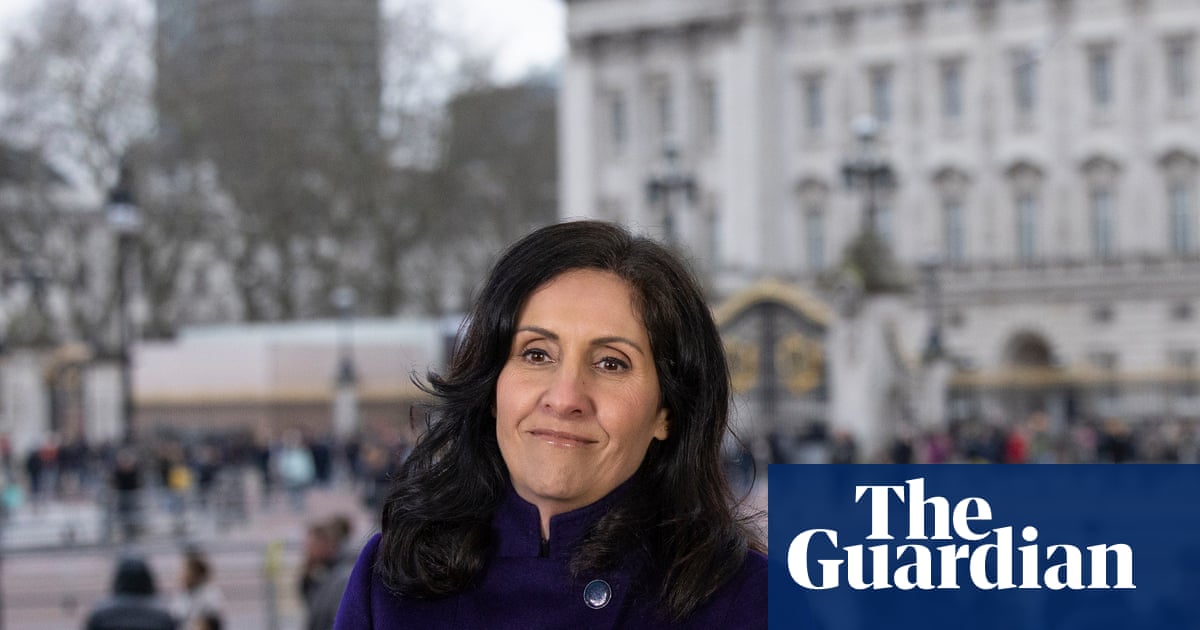
The BBC News presenter Maryam Moshiri has been diagnosed with a rare form of incurable blood cancer, she has revealed. Doctors told the broadcaster last November she had polycythaemia vera (PV), which cannot be cured but is treatable. The condition, which affects about 8,000 people in the UK, is associated with an increased risk of the blood clots that can cause a stroke, heart attack or deep vein thrombosis.
Even after I was told I had PV, I didn’t really understand what it meant. It was a cruel blow to realise that while I could have treatment, this was a cancer that was incurable.” She described the symptoms, including headaches, blurred vision, fatigue, night sweats and burning pain in the hands and feet. As well as the waves of fatigue that would hit her after days of working in a demanding role, saying it was “like someone had taken your batteries out”.
Moshiri began taking daily aspirin and having regular venesections to reduce her red blood cell count. The procedure involves a needle being put into a vein in the arm to draw blood out. The treatments worked, she said, but also left her dealing with the exhaustion.
Back home, I would zonk out on the sofa for hours to recover. It really made me reflect on the fact that there are so many misconceptions about blood cancer and the fact it’s a ‘silent or hidden’ cancer. You have to live with it, the treatments and the side-effects around your everyday life, and that’s hard.” Moshiri switched to Pegasys, a weekly injection, which she said still caused fatigue but had proved effective.
She said she was sharing news of her diagnosis to raise awareness for the charity Blood Cancer UK.
Extract — continue reading at the source.