This article has been reviewed according to Science X's editorial process and policies. Editors have highlighted the following attributes while ensuring the content's credibility: Propolis may not only inhibit the growth of certain fungi but also affect the activity of drugs used to treat fungal infections. Researchers have investigated how an ethanolic extract of Polish propolis interacts with various antifungal agents.
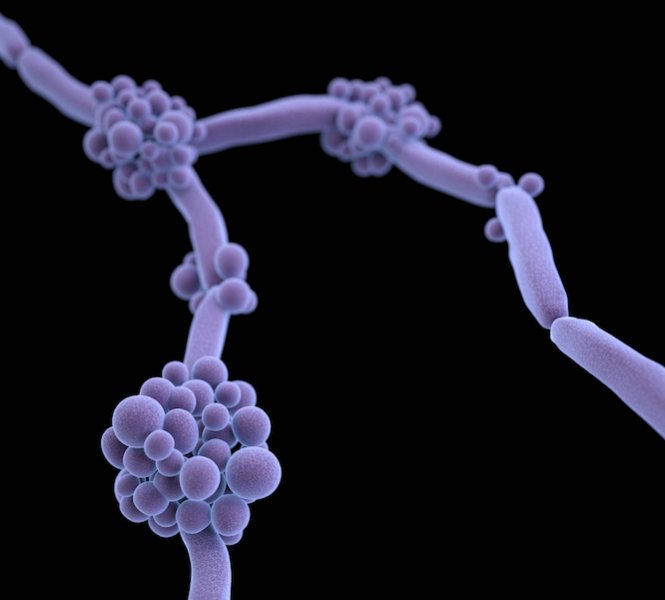
The study, co-authored by Piotr Kuś of the Department of Pharmacognosy and Herbal Medicines at Wroclaw Medical University, is published in Scientific Reports. The researchers analyzed propolis activity against four yeast pathogens that cause candidiasis: Candida albicans, Nakaseomyces glabratus, Pichia kudriavzevii and Candida auris. They also investigated what happens when propolis extract is combined with different antifungal drugs.
Propolis is a substance bees produce from plant material, wax and their own secretions. Its composition depends, among other factors, on the plants growing around the hive. This means propolis is not a single, easily defined substance but a complex mixture of many chemical compounds.
The researchers identified 77 compounds in the extract they studied. Among the most important were flavonoids, including pinocembrin, chrysin, galangin and pinobanksin. Previous studies by the team suggested that specific combinations of these compounds may be responsible for some of propolis's antifungal activity.
"Propolis is a highly heterogeneous substance with a variable composition and activity, containing hundreds of chemical compounds. In our previous research, we attempted to identify the components responsible for its increased activity against Candida fungi. We found that selected flavonoids were particularly important.
Interestingly, individual compounds showed moderate activity, unlike specific combinations of these compounds," Kuś says. One of the study's most important aspects was investigating how propolis behaves when combined with antifungal drugs. The researchers used several methods to determine whether the two substances enhance each other's effects, add to each other's activity, do not affect one another or act antagonistically.
Extract — continue reading at the source.


