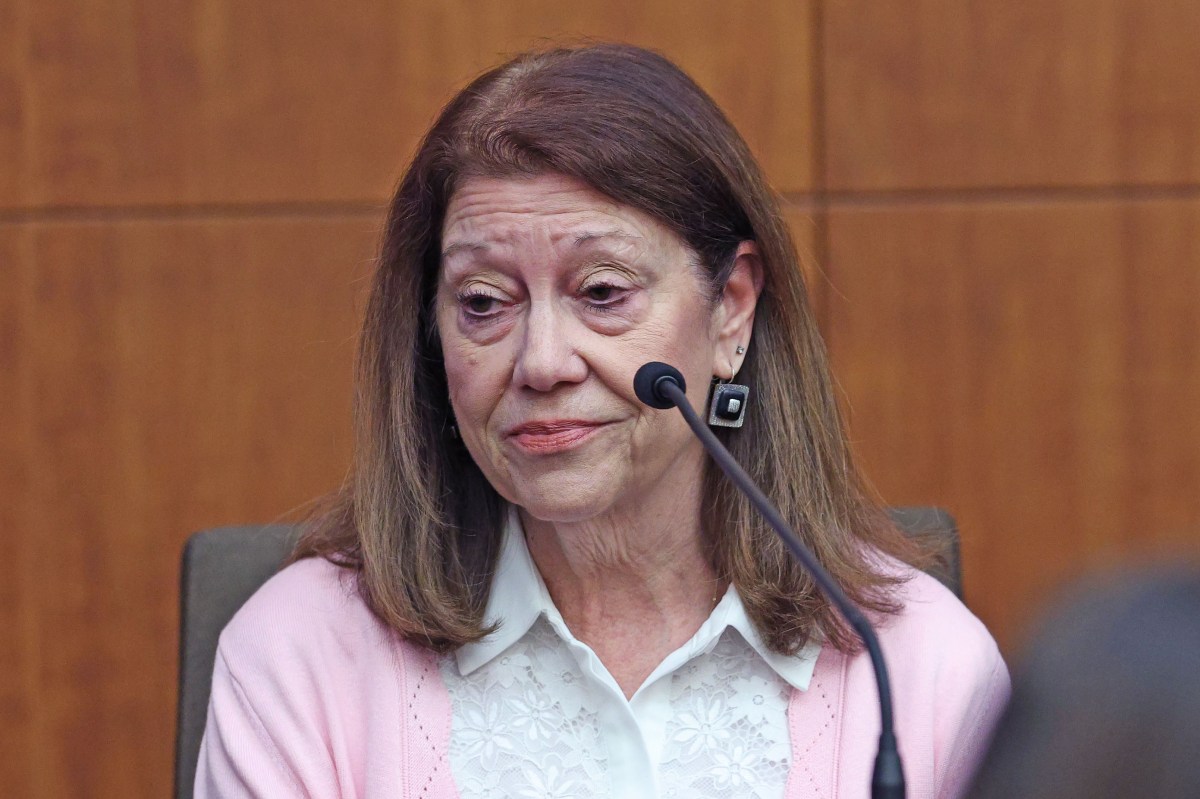
After more than 70 witnesses and roughly three weeks of testimony, prosecutors rested their case Monday in the Lindsay Clancy murder trial—marking a major turning point in the emotionally charged proceedings. The prosecution called its final witness, digital-forensics expert Ian Whiffin, before resting about 11:20 a.m. Its case included testimony from Clancy's husband, first responders, medical examiners, friends, former colleagues and mental-health professionals.
Then the defense began presenting its case. Clancy's attorney, Kevin Reddington, is not disputing that Lindsay killed her three children, Cora, Dawson and Callan. Instead, the defense is arguing that she was suffering from severe mental illness—including postpartum psychosis and bipolar disorder—and should not be held criminally responsible.
Monday's testimony provided some of the strongest evidence yet for that argument, including testimony from Clancy's mother and sister, while prosecutors also exposed potentially significant weaknesses in the defense's account. Here are the eight biggest bombshells from Monday's trial. Perhaps the day's most significant testimony came from Paula Musgrove, Lindsay's mother.
Musgrove testified that Lindsay once approached her and her husband, Patrick, appearing nervous, and said, "I just have to tell you guys something." According to Musgrove, Lindsay then told them she "had thoughts of harming the children." The admission is critical to the defense because it places disturbing thoughts about the children weeks before their deaths. Musgrove said Lindsay did not tell them she had a plan to hurt the children. Patrick had previously testified that Lindsay made the disclosure only once and said she had no intention of acting on it.
That distinction is likely to matter enormously to the jury. The defense can argue that the statement was an early warning sign of a rapidly deteriorating psychiatric condition. Prosecutors, however, can argue that Lindsay herself distinguished between having disturbing thoughts and actually intending to harm her children—and that the family did not believe she posed an immediate danger.
Lindsay's sister, Allison Ozga, also testified about the severity of her sister's decline. Ozga testified that she and Lindsay were “very close” and that she began noticing a significant change in her sister during the fall of 2022. When she saw Lindsay around Thanksgiving, Ozga said, her sister’s mood was noticeably different.
Extract — continue reading at the source.