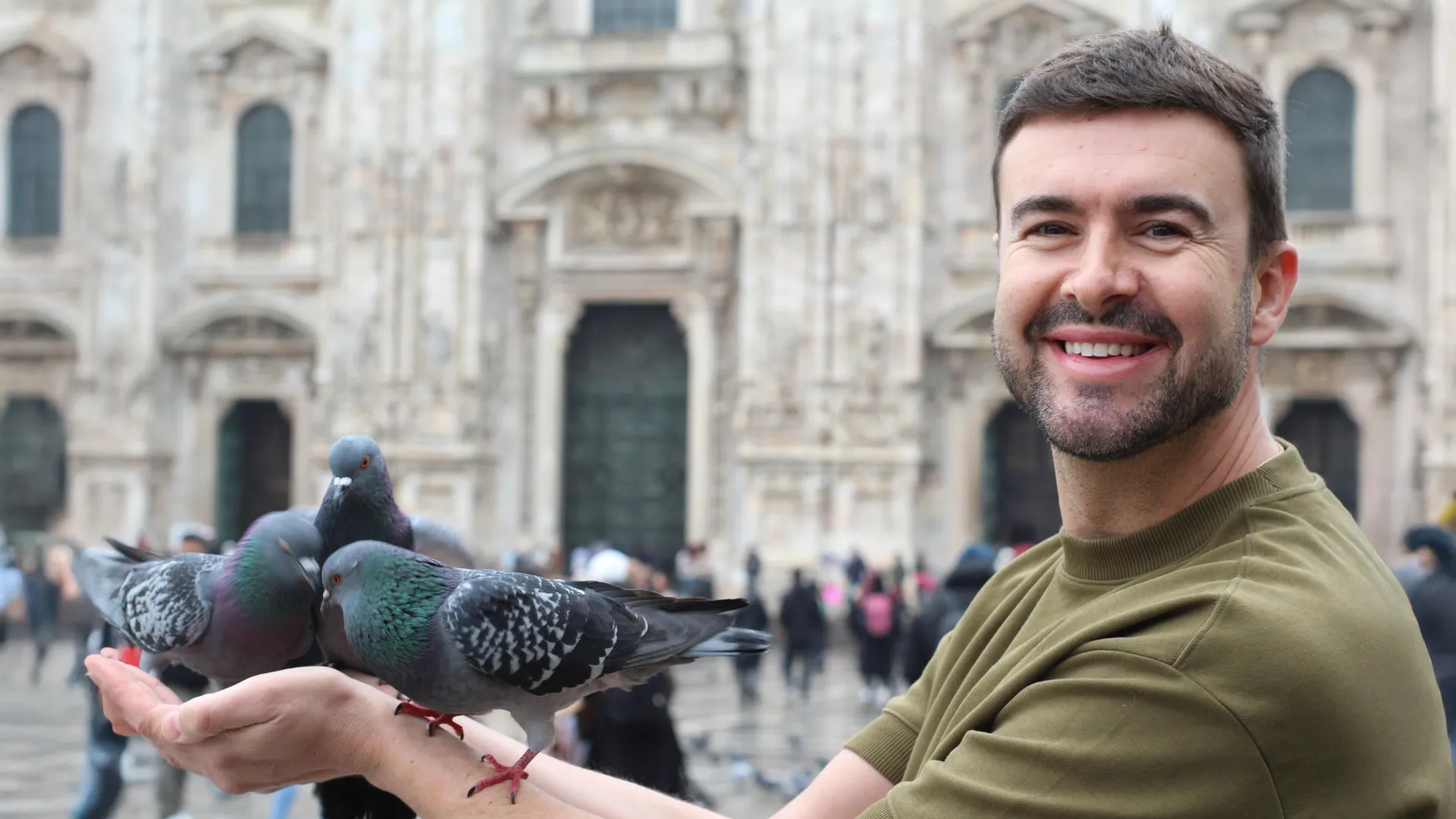
Birds living in cities appear to react differently to men and women, and scientists are struggling to explain why. An international research team discovered that urban birds, including great tits, house sparrows, and blackbirds, tend to fly away sooner when approached by women than by men. The surprising behavior raises new questions about how birds perceive the people around them.
The study took place in five European countries, where male and female participants (matched for height and clothing) walked directly toward birds in city parks and other green spaces. On average, men were able to approach about one meter closer than women before the birds flew away. The researchers measured this response by recording how close a person could get before a bird took flight (termed flight initiation distance).
Published in the British Ecological Society journal People and Nature, the findings showed the same pattern in Czechia, France, Germany, Poland, and Spain. The difference also appeared across all 37 bird species examined, including easily startled magpies and pigeons that typically allow people to approach much more closely. The researchers believe their findings indicate that city birds can distinguish between male and female humans.
However, they have yet to determine which characteristics the birds recognize or why they appear more cautious around women. Professor Daniel Blumstein of the University of California, Los Angeles, who helped conduct the research, said the results were convincing despite the lack of an explanation. "I fully believe our results, that urban birds react differently based on the sex of the person approaching them, but I can't explain them right now.
We used bleeding-edge comparative analysis techniques that showed our findings were consistent across cities and species, but we simply don't have a conclusive explanation yet." Dr. Yanina Benedetti of the Czech University of Life Sciences Prague, another member of the research team, said the discovery challenged her expectations about how birds respond to human observers. "As a woman in the field, I was surprised that birds reacted to us differently.
This study highlights how animals in cities 'see' humans, which has implications for urban ecology and equality in science. Many behavioral studies assume that a human observer is neutral, but this wasn't the case for urban birds in our study." Scientists have proposed several possible explanations for the difference. Birds might be responding to chemical signals such as pheromones, variations in body shape, or differences in how men and women walk.
Extract — continue reading at the source.


