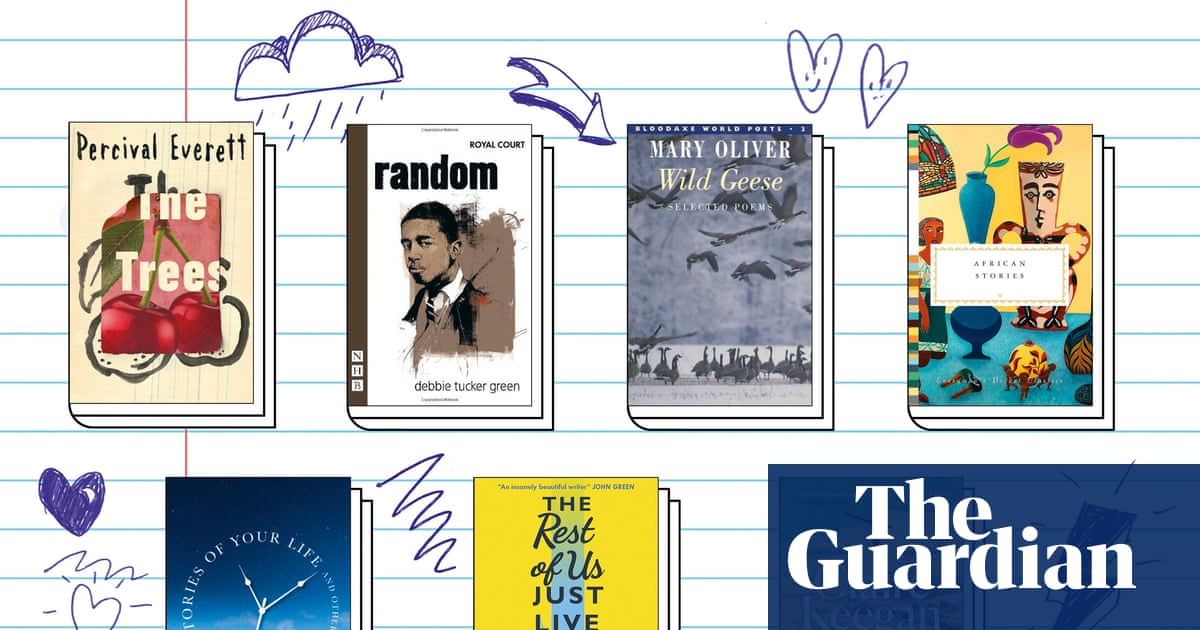
For the first time ever, we have a British prime minister who studied for an English degree. Not all of his 58 predecessors went to university, but those who did favoured subjects such as history and classics and, more recently, philosophy, politics and economics. Yet reading fiction is a fantastic preparation for life, for understanding people and the times through which we live.
Novels encourage empathy, they help you to stand in other people’s shoes, to navigate complicated, sometimes conflicting emotions, they entertain and bring joy. The creative industries contribute some £145.8bn each year to the UK economy; it is our soft superpower. In other words, books matter.
However, there has been a marked decline over recent years in the numbers of children reading for pleasure. It’s why the National Literacy Trust designated 2026 the National Year of Reading. Already there has been a shift from a 20-year low in 2025 of 32.7% of eight-to-18-year-olds saying they enjoy reading in their free time up to 36.1%.
We are also in a long-overdue moment of curriculum renewal for GCSE English, so when better to ask if what’s studied in school helps young people fall in love with reading – or possibly puts them off for life? Since GCSEs were first introduced in 1986, we’ve seen the establishment of four main examination boards in England and Wales and surprising unanimity in the choice of books most schools choose to teach. In 2025, the educational charity End Sexism in Schools released a report – Manopolies – revealing that 76% of students study An Inspector Calls by JB Priestley for their modern text from a possible 21 modern texts (a play, wonderful as it is, that’s been on one board’s set text list for 39 years).
Then a whopping 93% of students study either A Christmas Carol by Charles Dickens or The Strange Case of Dr Jekyll and Mr Hyde by Robert Louis Stevenson for their 19th-century novel from nine possible texts (including Charlotte Brontë, Mary Shelley and Jane Austen). Only 5% of students in England and Wales study a female-authored text at GCSE. It’s true that there are diverse modern works by inspirational women on the lists of the four exam boards – Kit de Waal, Tanika Gupta, Jeanette Winterson, Malorie Blackman are all offered.
The problem is that schools are disincentivised to change the texts they teach as this would involve costs and additional work. And no exam board wants to be the one to remove popular texts because that would bring commercial disadvantage and developmental costs. This is why it’s essential the Department for Education, as part of this review, mandates the regular changing of set-text lists and stipulates that students study works that reflect the gender balance and diversity of our society.
Extract — continue reading at the source.