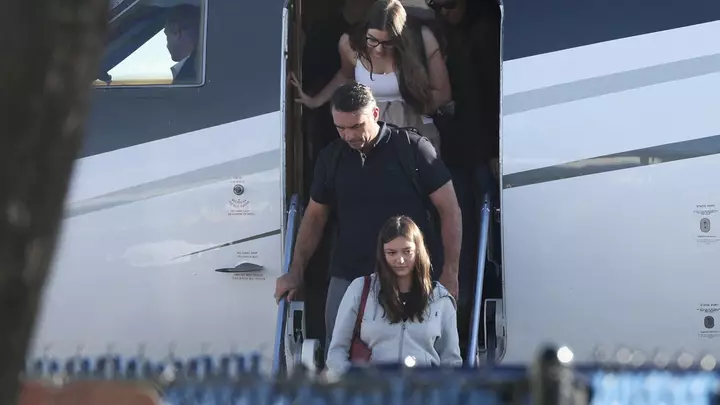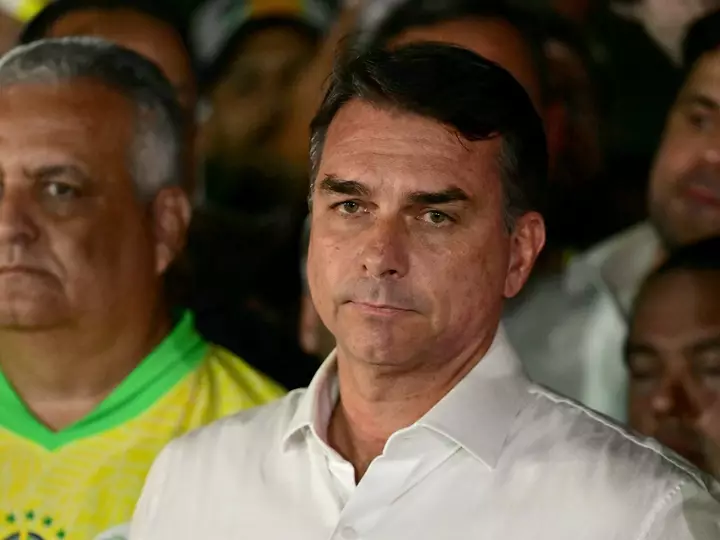
The political party of Senator Flavio Bolsonaro has acknowledged the result of Brazil’s presidential run-off, despite the right-wing candidate pledging to annul the outcome. On Monday, Valdemar Costa Neto, the leader of the right-wing Liberal Party, issued a statement saying his political group had accepted the outcome of the vote. Still, he echoed Bolsonaro’s concerns about the circumstances surrounding the election.
Bolsonaro has yet to formally concede. In a post-election speech, he called the election results “unacceptable”, citing a last-minute extension to voting hours. Bolsonaro’s camp had pointed to inclement weather that impeded some voters from reaching polling stations.
Parts of southern Brazil, considered a right-wing stronghold, had experienced heavy rains on Sunday. Lula’s campaign, meanwhile, pushed for longer voting hours after it accused some cities of limiting public transportation on election day. The left-wing leader’s allies framed those reductions in service as an attempt at election interference, aimed at preventing Lula’s working-class base from voting.
Media reports indicated that Pablo Souza, a transportation official in the city of Salvador, was arrested on Sunday over the matter. In response to the petitions, Supreme Court Justice Cristiano Zanin agreed to extend voting by two hours. Whereas polls across the country had been slated to close at 5pm Brasilia time ( ), Zanin’s order allowed those that had not already closed to remain open until 7pm ( ).
Following his loss, Bolsonaro cried foul, saying that the justice’s decision had disadvantaged his voters. He pointed to Zanin’s relationship with Lula as support: Lula had appointed Zanin to the high court in 2023, and Zanin had formerly served as the left-wing politician’s personal lawyer. But experts signalled they were sceptical of Bolsonaro’s claims of malfeasance.
An analysis by Pedro Burgos, a professor at the Brazilian educational institute Insper, found that the extension resulted in 35,000 additional votes across the country, less than 0.03 percent of the total. That amount was far short of Lula’s 4.4 million vote advantage. The incumbent won more than 64.25 million votes, compared with Bolsonaro’s 59.83 million.
Extract — continue reading at the source.