Has it really been almost a year since racing’s last bout of Budget-related anxiety? Apparently so, because having successfully persuaded Rachel Reeves to exempt racing from a (modest) hike in betting duty in 2025, here we are again, nervously anticipating Wednesday’s budget amid warnings that John Healey could effectively sound the death-knell for high-street betting shops. Healey is widely expected to raise the rate of machine games duty (MGD) in the budget, a move which could, according to some predictions, lead to the closure of thousands of high-street shops with significant knock-on effects for racing’s income from off-course gambling.
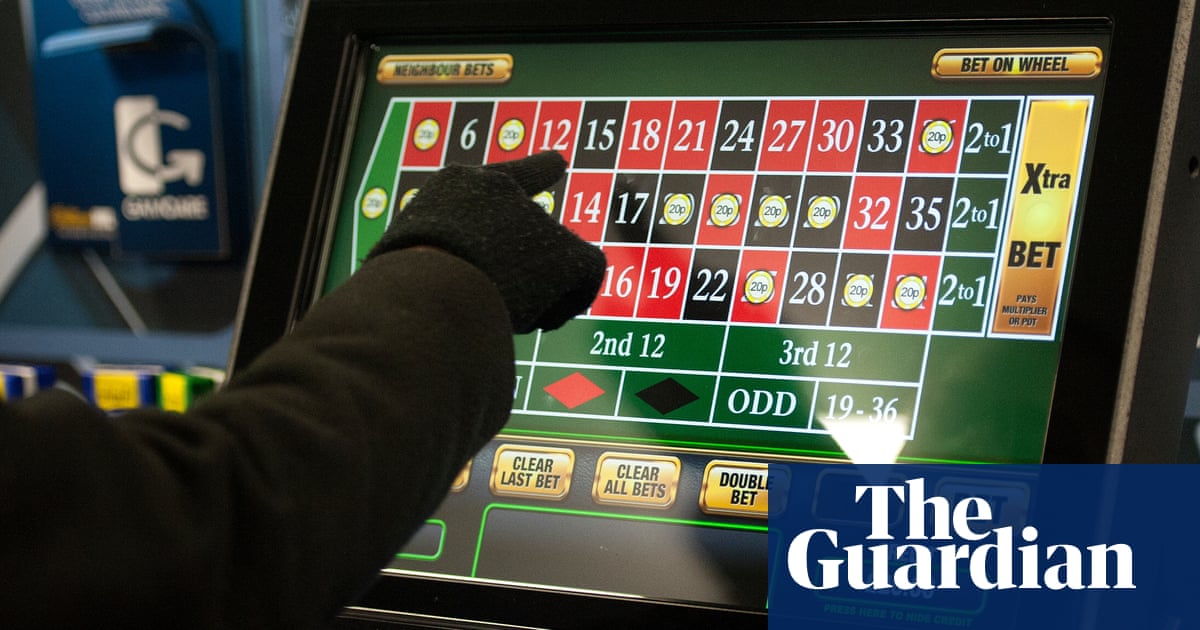
The prospect of a significant hike in MGD this week was initially floated by a report from the Social Market Foundation (SMF) thinktank in June. The report recommended doubling the duty rate on the profits from high-street gaming machines, from 20% to 40%, to reflect the significantly higher rates of harm associated with machine gaming compared to traditional betting on racing and sport. The gambling industry’s response was swift and indignant.
Citing a report from the consultancy firm Regulus Partners, the industry warned that if Healey took the SMF’s advice, up to 4,000 of the UK’s 5,500 betting shops could be forced to close over the next three years. That, in turn, could cost the racing industry an estimated £92m in annual income – a third of its total from betting. The British Horseracing Authority also expressed its concern.
Yet even this, according to the gambling industry, could lead to hundreds of shop closures and tens of millions in lost revenue for racing. So, is the end really nigh for the high-street betting shop? Its demise has, after all, been forecast with some regularity over the last couple of decades since the advent of online gambling, and above all when the campaign to cut the maximum stake on the high-street fixed odds betting terminals (FOBTs), from £100 to £2, was at its height.
Suggestions at the time that most or all of the UK’s shops would be shuttered within months if the cut were imposed proved to be a long way short of the mark. The current total of around 5,500 shops is well below the 9k around a decade ago, but that also reflects the fact that the gambling market as a whole, and among younger generations in particular, is increasingly moving online. At the same time, though, there can be little doubt, however, that racing remains painfully exposed to a major reduction in the number of shops.
The sport’s income from the retail sector is tied to media rights contracts for live pictures and data agreed on a “per-shop” basis. The Regulus report suggests that racing receives around £27k in media rights and Levy payments from the average shop’s total annual revenue of £440k. If a sport that derives a significant chunk of its income via betting is caught up in the fallout from a tax rise on casino-gaming, however, there is an extent to which it can only have itself to blame.
Extract — continue reading at the source.