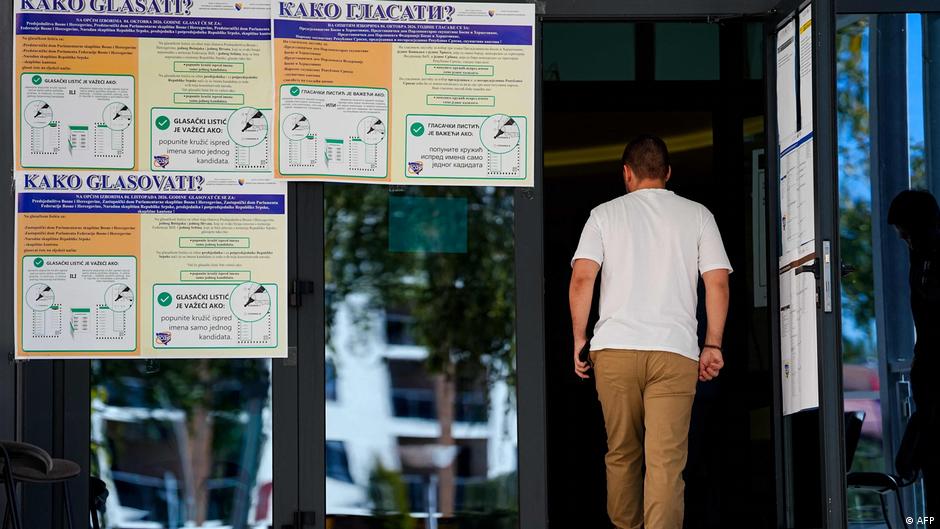
Bosnia and Herzegovina went to the polls on October 4 with new technology that was meant to end years of vote-rigging. Chief among the abuses was the casting of ballots in the name of deceased voters who had lingered for years on outdated voter rolls. At just over 40%, turnout was the lowest since the Bosnian War ended in 1995, in part because the old tricks no longer worked.
In earlier elections, allegations kept surfacing that votes were being cast in the name of people who had died or long since moved abroad. Others said voters cast their ballot multiple times or that blank ballots were added after polls closed to make the turnout look higher. The voter registry, packed with names of people who had passed away or left the country, was the perfect tool for all of this.
This time, however, every polling station used biometric fingerprint checks. This represented a clear step forward in making voter identification far harder to manipulate. Still, the biggest story of this election is not technical.
Three nationalist parties won, each within its own community: the SNSD among Serbs, the SDA among Bosniaks and the HDZ BiH among Croats. The dead may have been struck from the voter rolls, but political trends have not shifted. For readers who know Bosnia only vaguely, a little background helps: The 1995 Dayton Peace Agreement ended the war, but it also split the country into two entities: Republika Srpska, which has a Serb majority, and the Federation of Bosnia and Herzegovina, which has a Bosniak-Croat majority.
A three-member presidency runs the state, and each of the three peoples elects its own member. That is why elections here are rarely about wages and prices and are instead almost always about who is perceived to be a threat. For Milorad Dodik, the most powerful Serb politician in Bosnia, this election was a political resurrection.
In 2025, Dodik was barred from holding public office for six years after being convicted of defying the high representative, the top international envoy overseeing the 1995 peace process. He was sanctioned by the US in 2022, although those sanctions were lifted late last year. Even so, his party, the SNSD, virtually swept the board in Republika Srpska.
Extract — continue reading at the source.