A new brain imaging study led by scientists at the Centre for Addiction and Mental Health (CAMH) has uncovered what researchers describe as the strongest evidence so far that long COVID is associated with damage to dopamine-releasing neurons in the brain. Published in eBioMedicine, the findings could help explain persistent problems such as fatigue-related loss of motivation, slower movement, and memory difficulties. They may also point toward new treatment strategies.
Long COVID is estimated to affect about five per cent of the global population, including roughly two million people in Canada. The condition can involve a broad range of symptoms that continue for at least three months after the initial COVID-19 infection. Common brain-related symptoms include fatigue, brain fog, memory problems, and low mood.
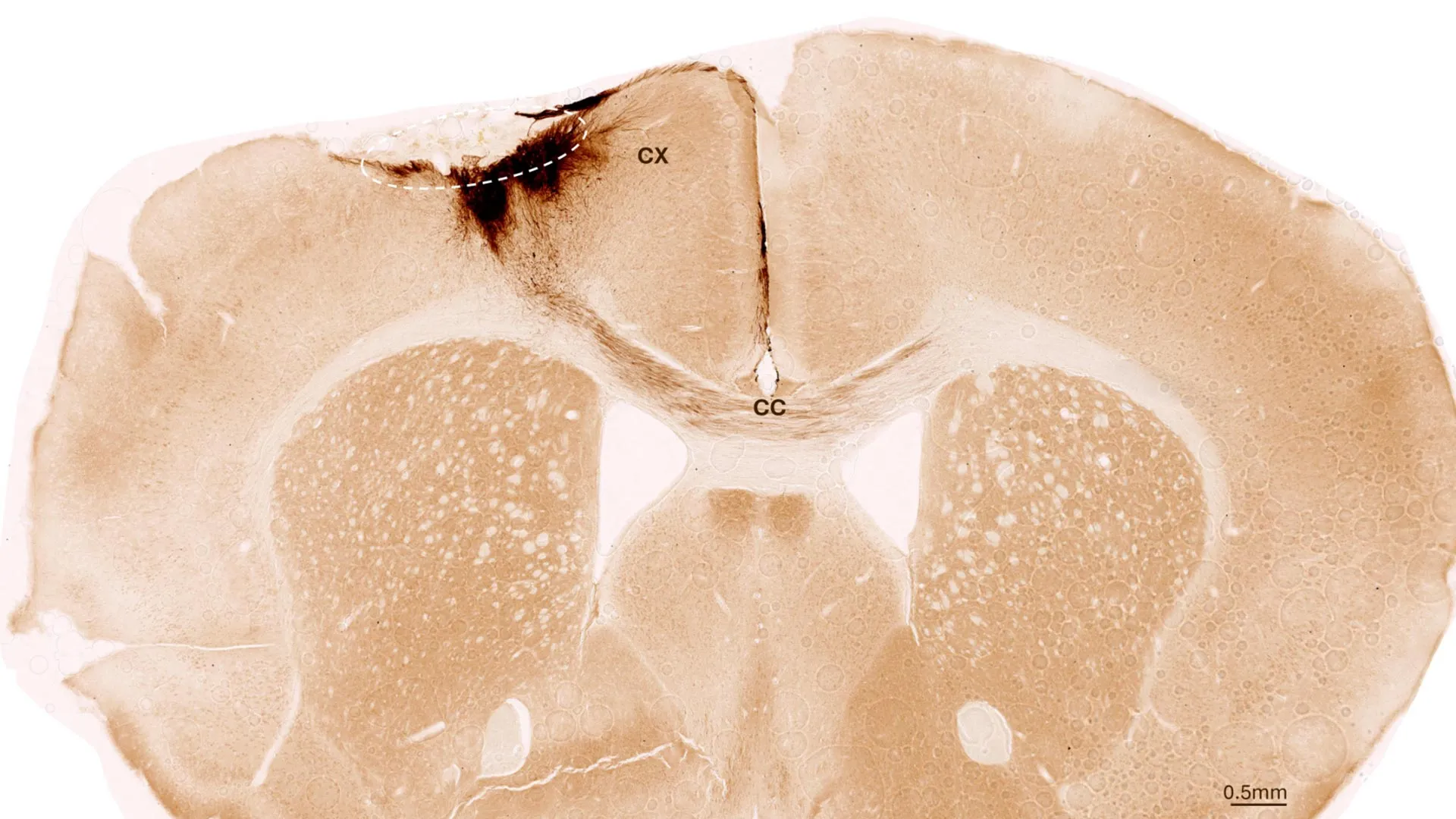
Despite how widespread and disruptive long COVID can be, there are currently no evidence-based treatments, in part because scientists still do not fully understand what is happening in the brain. Brain Scans Reveal Changes in the Dopamine System For the new study, researchers used positron emission tomography (PET), an imaging technique that can measure biological activity inside the brain. They examined a well-established marker associated with the health and integrity of dopamine neurons in people with long COVID and compared the results with those from healthy participants.
The researchers found substantially lower levels of this marker in people with long COVID across all major areas of the striatum. The striatum is a group of brain regions that helps regulate motivation, movement, and thinking. Lower marker levels suggest a reduced density of dopamine nerve terminals.
Different patterns of marker loss were also associated with different symptoms. Lower levels in the ventral striatum were linked to greater loss of motivation. Reductions in the dorsal putamen were associated with slower movement, while lower levels in the caudate putamen were connected with memory difficulties.
"Our findings provide compelling evidence that long COVID involves the loss of dopamine-releasing neurons," says Dr. Jeffrey Meyer, Senior Scientist at the Brain Health Imaging Centre, Canada Research Chair, and senior author of the study. "This kind of injury is well known to produce symptoms like lack of motivation and motor slowing, and may contribute to memory difficulties in other neurological conditions.
Extract — continue reading at the source.