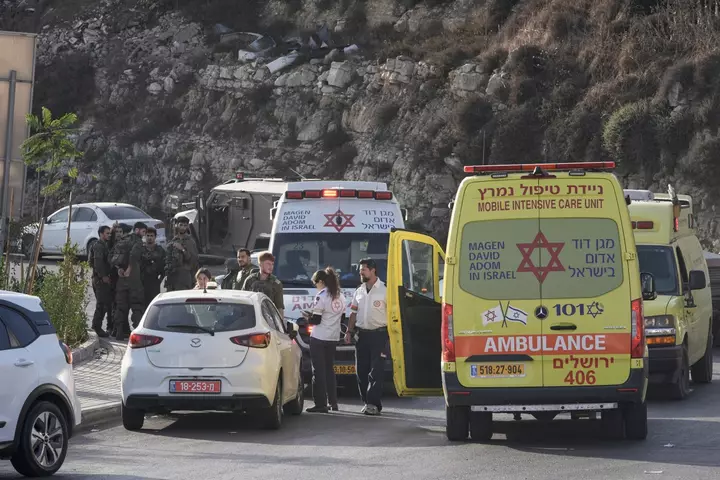
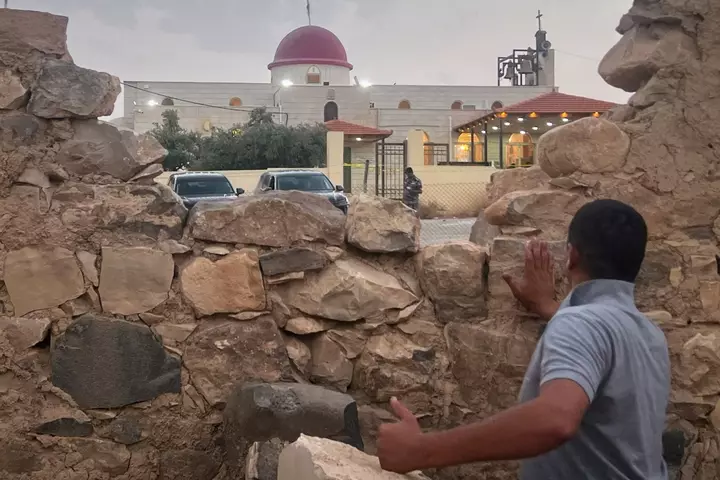
Iranian missiles and drones came down on Kuwait on September 3, two days after American aircraft struck roughly a hundred positions along the Hormuz coast and across western Iran, including a strike that killed five people at a wedding party in Sirik. The confrontation has continued since, with US forces striking Iranian oil tankers and Iran targeting shipping in and around the Strait of Hormuz. Brent is trading around $97 a barrel.
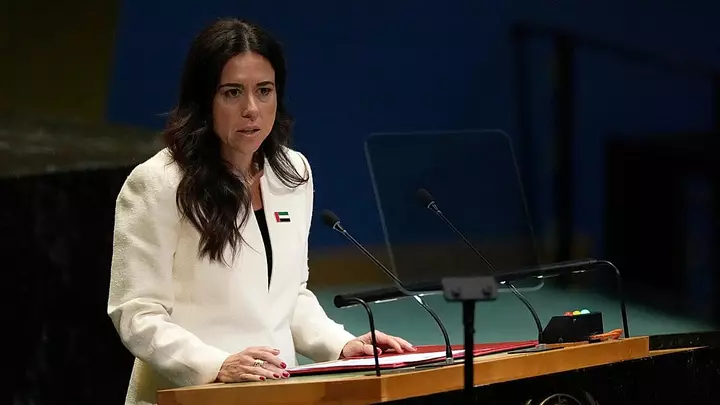
On September 12, Iranian President Masoud Pezeshkian lands in New Delhi for the BRICS summit. So do Chinese President Xi Jinping and Russian President Vladimir Putin, along with at least eight of the eleven BRICS heads of state and government. The United Arab Emirates, which has spent six months under Iranian fire, will be in the same hall.
Western commentary has already filed the summit under photo opportunity, a bloc too broad to agree on anything. That reading skips an awkward fact about the past six months. Every ceasefire this war has produced was assembled by BRICS members and their partners.
Not one was assembled in Washington. On March 31, Beijing and Islamabad issued a five-point initiative calling for an immediate ceasefire and the reopening of the Strait of Hormuz. A week later, Iran accepted a two-week truce.
Direct American and Iranian delegations then sat down in Islamabad on April 11, the highest-level contact of the war, in talks run by Pakistan’s Shehbaz Sharif, with his army chief Asim Munir shuttling to Tehran twice. What came out of it was the Islamabad Memorandum, signed on June 17 by Trump at Versailles and Pezeshkian in Tehran, with Qatar, Oman, Turkiye, Saudi Arabia and Egypt carrying pieces of it. Sixty days of toll-free passage.
A pledge to lift the naval blockade within 30 days. A plan for at least $300 billion in reconstruction and economic development. It expired on August 17 after the two sides read Articles 1 and 5 differently and no mediator could force a common text.
Extract — continue reading at the source.