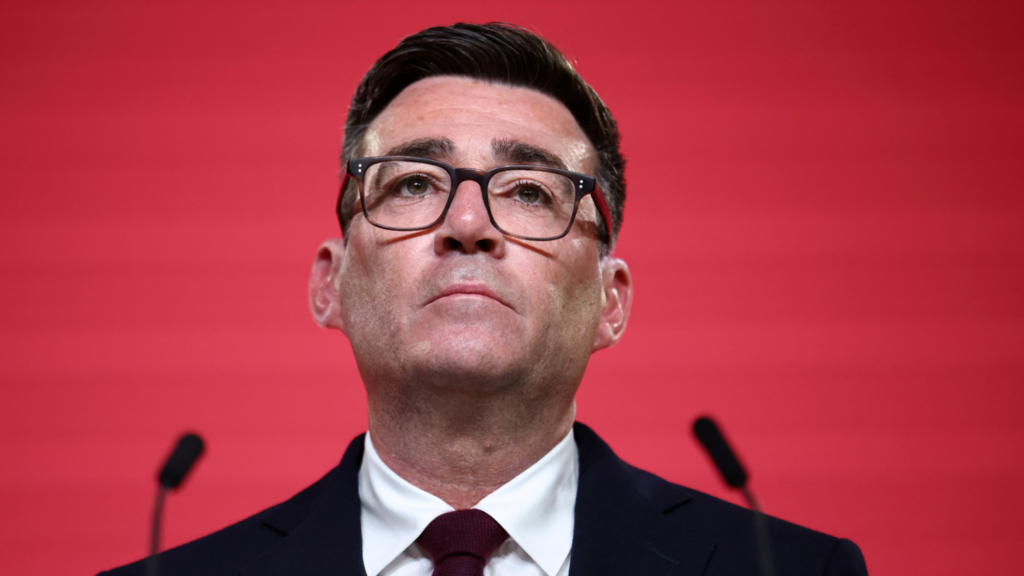
In his first few weeks in Downing Street, Andy Burnham could hardly have been clearer that his aim as prime minister is to make people feel better. His supporters inside the Labour Party characterise him as a leader with the political nous to prioritise policies that will make a difference, and the communication ability to sell those messages to the masses. His critics, including Conservative leader Kemi Badenoch, have branded him a "people pleaser" who doesn't want to take difficult decisions.
The conundrum over how to manage the early release of prisoners is an acute example of the tricky political decision-making that inevitably comes with power. Andy Burnham could have chosen to modify the early release scheme, which he inherited from the Starmer government, according to the length of offenders' sentences. That would have seen some rapists and child sex offenders released, and inevitably lead to emotive stories from victims whose abusers were being set free.
Instead, the fledgling PM focused on the type of crime, ensuring those mentioned above would stay behind bars. But that caused a political storm of its own, as it emerged that two of the killers of PC Andrew Harper would still be eligible for early release next year. That quickly became the first big test for an administration that prides itself on its ability to communicate.
And after mounting pressure from the public, media and members of PC Harper's family, there does now appear to have been a shift. Burnham said this morning he had "not accepted that it is impossible to do more" to prevent dangerous criminals being released early – and said he's asked the justice secretary to fast-track a plan for freeing up prison places. He insisted that didn't constitute a change, saying he had been "pushing on this issue" since his first day in office.
But his latest view was not the impression created by the government in recent days. On Monday lunchtime, Downing Street heavily suggested it could do no more. Over the weekend, the Ministry of Justice said that exempting more prisoners from early release risked "prisons reaching capacity and collapsing".
And last week, Burnham himself wrote in the Telegraph that he'd "pushed to the very limits of what is possible to do". Justice Secretary Alex Norris even apologised to the families of victims, including PC Andrew Harper. PC Harper's mother Debbie Adlam told BBC Breakfast the handling of the situation had been a "hash".
Extract — continue reading at the source.