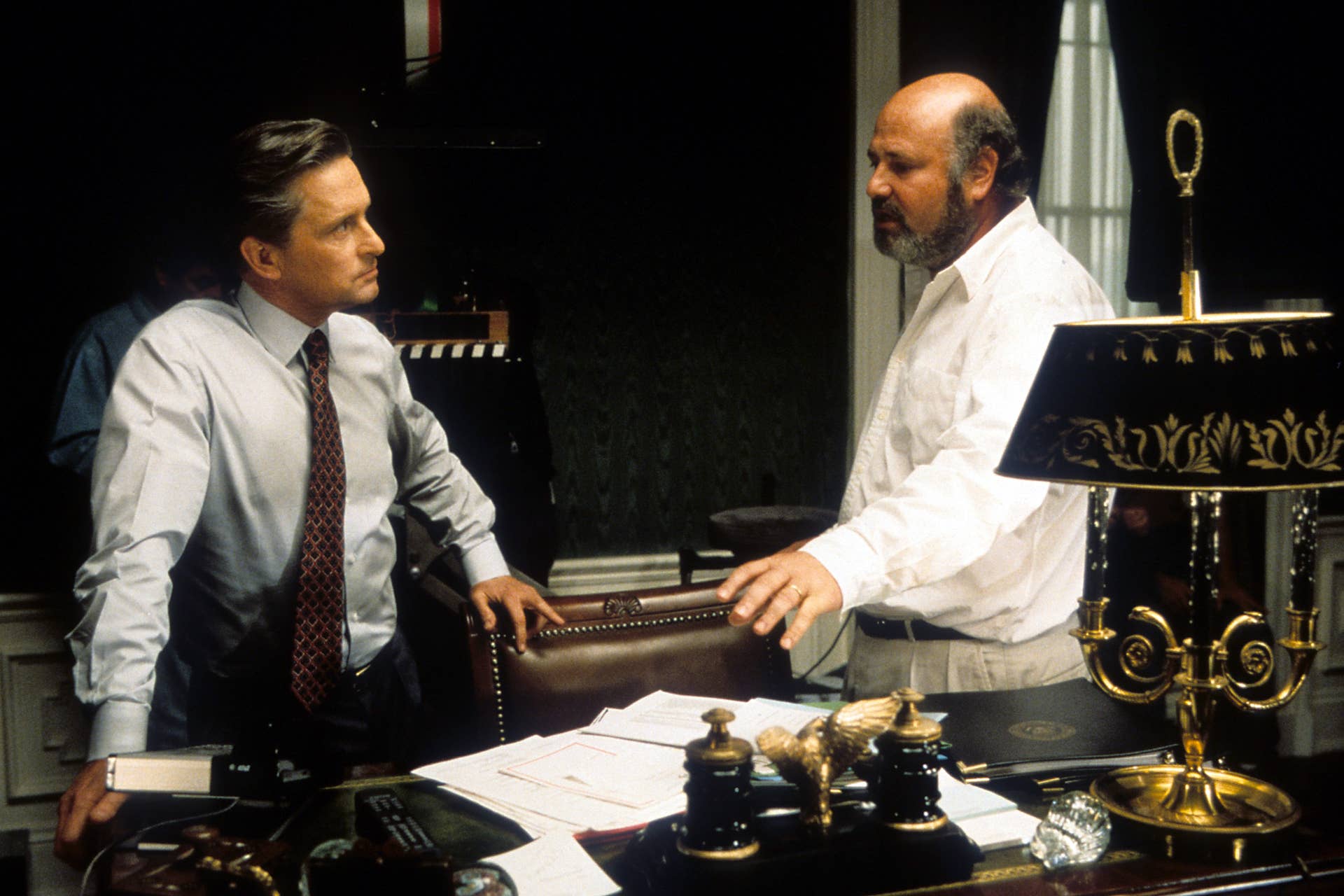
Zhang Yimou, president of the Busan International Film Festival‘s competition jury, waded into the dispute over historical fact and creative freedom that has engulfed Korean cinema, telling a press conference on Wednesday that history itself is written by people. The question from the press did not name a title, but the debate centers on Hur Jin-ho’s “The Assassin(s).” “Specifically regarding the film you mentioned, I have not seen it, though I have noticed there are some controversies. It depends on each individual’s feelings,” Zhang said.
History is also written by people, so is history itself truly real? Sometimes that in itself is a question mark.” The Chinese director cited an old saying from his country that creative work “originates from life, yet transcends life.” “Therefore, everyone’s answer may be different. But as creators, we respect every creator’s vision,” he said.
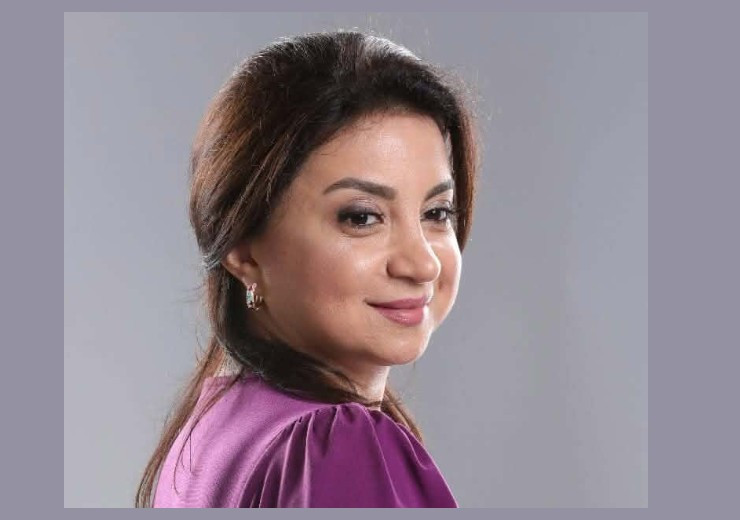
Fellow juror July Jung did. Jung, the director of “Next Sohee,” said she had to speak because she, too, has made films drawn from real events and taken them to audiences. The official inquiry held gunman Mun Se-gwang solely responsible.
Hur’s film declines to say who was behind the attack, and its detractors argue the open ending points the finger at Park or his government. A former People Power Party Seoul city councilor has asked Seoul police to investigate Hur, the production company’s CEO and the film’s two writers for defamation, and the Directors Guild of Korea (DGK) has condemned what it called “attacks on individuals that have crossed the line.” The film has kept selling tickets regardless, topping the Korean admissions chart over the Oct. 2–4 weekend. It opens the Singapore International Film Festival on Oct. 21.
Zhang heads a seven-member jury for Busan’s competition, which launched last year and this year features 13 titles. Alongside him sit Chinese director Bi Gan, whose “Resurrection” played in last year’s competition; Korean director Jung, whose “Dora” debuted in the Directors’ Fortnight at Cannes and screens in Busan’s Gala Presentation section; Kazakh actor Samal Yeslyamova, best actress winner at Cannes for “Ayka”; Japanese director Ishikawa Kei, whose “A Man” closed Busan in 2022; Vietnamese producer Tran Thi Bich Ngoc; and Korean actor Moon Choi, a past winner of the festival’s best actress award for “Our Body.” Asked how a jury can fairly assess demanding films after a single viewing, Bi Gan said: “That’s why my films are always at a disadvantage at film festivals, because they only need to watch them once.” He added that jurors from different countries and backgrounds can fill in a film’s cultural context for one another. Bi described competition as a way to bring films of value into a shared discussion rather than simply to pick a winner.
Tran, who said she has been coming to Busan and its Asian Project Market for 20 years and called the festival “a home in October,” said Busan would elevate Asian cinema “to a whole new level” and that the competition was crucial to that. Choi, serving on a jury for the first time, said a good film is one that poses questions instead of handing out answers. The 31st Busan International Film Festival runs through Oct. 15.
Extract — continue reading at the source.