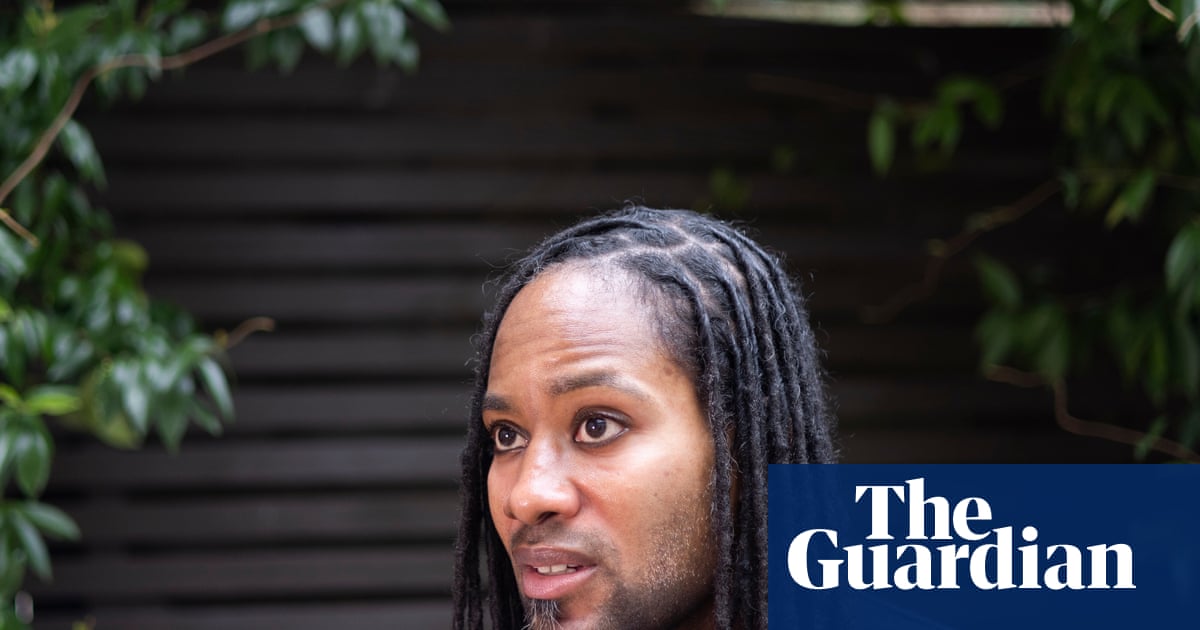
Cambridge University’s leadership has bowed to internal pressure for an independent investigation into its appointment of Jason Arday as a professor, with its vice-chancellor admitting the affair has damaged the institution. Prof Deborah Prentice said she recognised the “anger and anxiety around this damaging and difficult case” but described it as an aberration that should not be used to cast aspersions on the abilities of its staff of colour. Senior Cambridge academics had called for the university to hold a fully independent inquiry into the circumstances around Arday’s appointment as professor of sociology of education, after the details of his career and life story were exposed to intense scrutiny.
The university initially defended him as the “victim of a vile campaign to undermine his credibility” but he resigned last week after a series of his claims were called into doubt. In a letter to staff, Prentice said: “I know there is anger and anxiety around this damaging and difficult case … We will now investigate the circumstances around his appointment by the faculty of education back in 2022 and his time here in Cambridge since his appointment nearly four years ago. Prentice said the investigation’s findings would be used to review Cambridge’s appointment process for senior roles, and that its education faculty bore some responsibility for Arday’s selection.
She also highlighted that Arday had held positions at Durham and Glasgow universities before applying to Cambridge for a professorial chair. While Glasgow has announced its own investigation into Arday’s selection, Durham University declined to endorse Prentice’s comments. A spokesperson for Durham said: “Since the recent emergence of questions relating to the circumstances surrounding Jason Arday’s appointment to a chair at Cambridge University, we have looked into his appointment to a junior academic role at Durham in 2019.
He was appointed following a standard, competitive recruitment process in which he met published criteria for the role. Allegations about plagiarism in his PhD did not surface until after he had left Durham.” Prentice also recognised the effect of the controversy on other black and minority ethnic academics at Cambridge, after some had described the atmosphere as toxic. She said: “In light of the focus on this troubling case and the widespread commentary around it, I want to be very clear that we do not need the outcomes of an investigation to clearly and loudly affirm that our staff of colour are highly valued, for their scholarship, their achievements and the contributions they make to the institution and the wider academic community.
Extract — continue reading at the source.