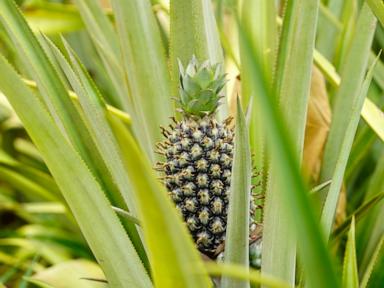
Farmers in arid Burkina Faso have begun growing pineapples to reduce reliance on imports and adapt to climate challenges BOBO-DIOULASSO, Burkina Faso -- The soil beneath Oumarou Compaoré's boots is sandy and stony. It’s hardly the lush setting usually needed to support growing pineapples. But this farm in landlocked Burkina Faso is part of national efforts to reduce overall reliance on imports and adapt to an ever-harsher climate in the dry heat of Africa’s Sahel region.
Pineapples have long been seen as exotic fruit grown by richer coastal neighbors, and more expensive than the mangoes that grow outside many Burkinabe homes. Now his pineapple field has grown to about 50 hectares (124 acres). The country's military leaders have taken note.
Their economic growth plan is tied heavily to agriculture. Pineapples are now part of the government's formal development plan as it seeks to boost food self-sufficiency for the country of 24 million people. While there are no available government data on pineapple production, farmers say more of them are venturing into it.
As of November, pineapple fields had expanded to around 100 hectares (248 acres) in the administrative region that includes Compaoré's farm, the regional director of agriculture, Adanabou Eric Pascal, told local media at the time. Kola Jean, the agricultural engineer at Compaoré's farm who helps to train others on pineapple farming, estimated that over 100 farmers are now getting into production. Ibrahim Traoré, who took power after a coup in 2022, Burkina Faso has presented food production as a sovereignty issue.
It suspended rice imports in April this year with a stated goal of facilitating local production. It inaugurated two factories for tomato paste, a local staple, in 2024. And at a major supermarket in the capital, Ouagadougou, there is a section dedicated to locally grown food — like shea butter, corn and cassava flour and drinks like mango juice — labeled, “Let’s consume what we produce." All are steps toward shaking off the dependence on imports that for decades has exposed millions of people to shifting transport costs and other price shocks.
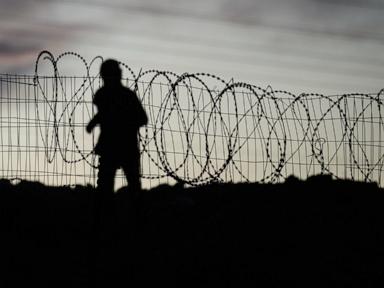
Hunger remains widespread. A decadelong security crisis that has left jihadis in control of large swathes of territory has disrupted access to farmland and markets. Many people have been displaced.
Extract — continue reading at the source.