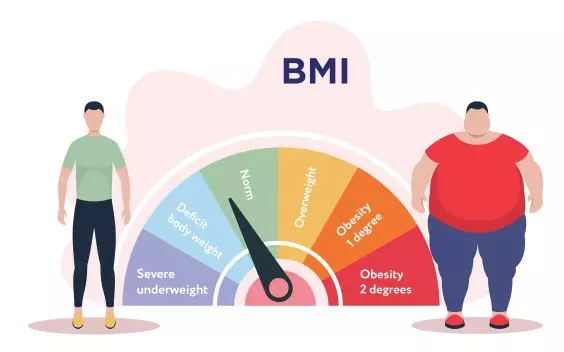
As far as obesity measures go, body mass index leaves a lot to be desired. It’s ridiculously simplistic, taking into account just two measurements: height and weight. It also doesn’t account for things like fat distribution, muscle mass, or other metrics known to influence health.
On the other hand, this simplicity makes it incredibly convenient. Combine that with research continuity and inertia (BMI has been around for almost two centuries), and you can see why we haven’t been able to ditch it. But what if there are better obesity indices out there, ones with more predictive power when it comes to disease risk?
That’s the question that a study newly published in Science Bulletin is asking. Read more: “Fat Cells May Retain a Memory of Obesity” To find an answer, a team of Chinese medical researchers analyzed health data from 4,258,033 adults between the ages of 35 and 75 years from the ChinaHEART cohort. The team compared 15 obesity indices belonging to three major groups—body shape, visceral fat, and metabolic function—examining how they were linked to major chronic diseases.
In general, higher values for most of the indices were associated with higher risks of cardiovascular disease and diabetes, but relationships to chronic obstructive pulmonary disease and cancer were weaker (in fact, some indices showed nonlinear or even inverse associations with these illnesses). Taken together, the results suggest that the full range of obesity-related health risks likely can’t be captured by a single measure. The team then investigated how well each index could distinguish individuals at different levels of risk for chronic diseases.
Here, too they found plenty of variability. For example, the Chinese visceral adiposity index (an estimate of body fat) was better at predicting risk of cardiovascular disease, while the triglyceride-glucose index (a measure of metabolic function) was better at predicting diabetes risk. Interestingly, chronic obstructive pulmonary disease risk was best predicted by a body shape index.
This metric measures the proportion of abdominal fat to size and is usually used to estimate the risk of premature mortality, cardiovascular disease, and diabetes. It makes sense when you consider fat distribution can also affect respiratory function. According to the team, none of the obesity metrics they studied showed a strong association with the disease.
Extract — continue reading at the source.