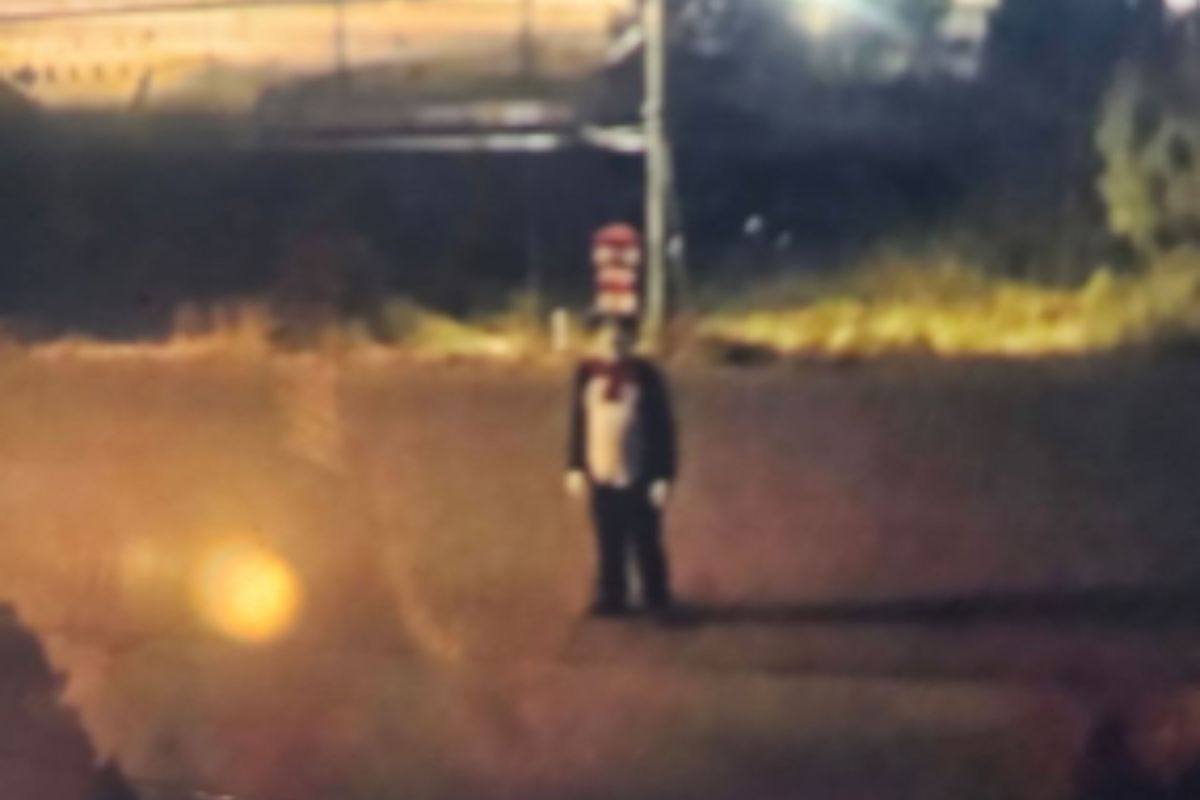
Schools and police are issuing fresh warnings over a viral "Cat in the Hat" social media trend in which disturbing or AI-generated versions of the Dr. Seuss character are used to threaten students, schools and communities. The latest alerts come as what began largely as an online hoax, spread on social media sites like TikTok, Facebook and Instagram, has drawn the attention of real-world law enforcement.
Several teenagers have now been arrested or charged over posts connected to the trend, while authorities have warned that content intended as a prank can still amount to a criminal threat. On September 8, Harrisburg School District in Pennsylvania warned families about "threatening and disturbing" posts circulating online, saying that although authorities had not identified a credible threat to anyone in the district, the material could still cause fear among students and staff. It urged students not to share the posts and to immediately report content involving real schools, locations or students.
"Even if it's a joke, naming real people or locations can be dangerous," the district said. In North Dakota, Three Affiliated Tribes Law Enforcement has warned there can be "serious consequences," even if social media users may not have malicious intentions. "Social media posts can spread quickly and may have serious consequences," the force said on Facebook.
"Think before you post, share, comment, or participate in online trends. Never make threats, even as a joke. What may seem like a prank can result in law enforcement action and potentially serious consequences." Newsweek has contacted Dr.
Seuss Enterprises for comment via email. The social media trend involves images or short videos showing a sinister version of the Cat in the Hat, often resembling the character played by Mike Myers in the 2003 live-action film, lurking outside homes, schools or on streets at night. Some footage appears to be AI-generated or digitally manipulated, while other posts involve real people wearing costumes.
Videos may include messages claiming that the character is coming to a particular town or school, while more disturbing versions have named individuals or included lists of supposed targets. The Minnesota Department of Public Safety's School Safety Center described the trend as a "viral hoax" in a September 1 bulletin. It said posts were being distributed through TikTok, YouTube Shorts and Facebook and Instagram Reels, sometimes depicting a dancing Cat in the Hat alongside messages saying the character was visiting a particular town or state next.
Extract — continue reading at the source.