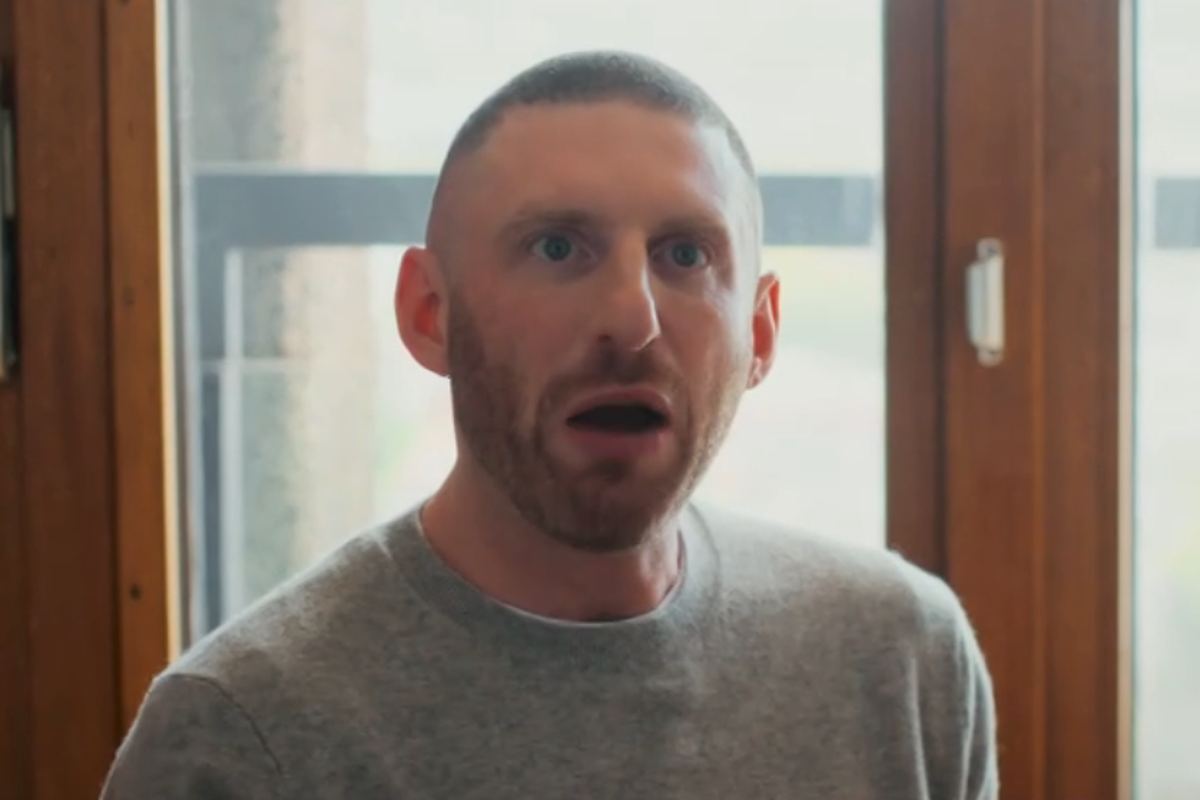
An ADHD charity has called for the public to complain about Channel 4’s latest documentary to Ofcom after its presenter labelled the disorder a “social construct”. The Great ADHD Myth?, which aired last night (Tuesday 18 August) on Channel 4, sees presenter and NHS psychiatrist Max Pemberton speak to medical professionals who are sceptical about Attention-deficit/hyperactivity disorder (ADHD) being a legitimate medical condition, particularly in young children. ADHD is recognised by the NHS as a condition where those affected struggle to concentrate or sit still.
Symptoms can include having high energy levels, getting easily distracted, being forgetful, losing things often and finding it hard to organise your time. However, Pemberton’s documentary questions whether ADHD is a neuro-developmental disorder, how it should be treated and who benefits from the rise in diagnoses over the last few years. It also conducts an experiment which sees 10-year-old Mason stop taking his ADHD medication, which he has taken for two years, over a six-week period to see whether consuming less sugar, banning screen time and introducing yoga helps instead.
While initially deciding to keep Mason off his medication, claiming that it had “dulled his sparkle”, she placed him back on it two months later after his performance in school declined. Now, charity ADHD UK has responded to the film, revealing that it has complained to Ofcom, and is encouraging others to do the same. It is not a social construct.
And the programme’s own end credits told you what its sixty minutes wouldn’t: the boy at its centre went back on his medication, and his schoolwork improved,” the organisation said in a statement on Tuesday. They aired their version anyway. We have already complained to Ofcom.
A fuller submission follows, built on the impact data you give us below. We deserve better than this.” The charity also asked its social media follows to “consider filling in our survey and complaining to Ofcom” over the documentary’s claims – adding that it will also take its findings to Parliament . Its chief executive, Henry Shelford, called the documentary “sensationalist nonsense” and “one-sided”, revealing that he wrote to Channel 4 to ask for corrections to be made as well as a title change.
New subscribers only. £9.99/mo. after free trial. Plan auto-renews until cancelled. This revenue helps to fund journalism across The Independent.
Extract — continue reading at the source.