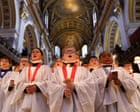
And, heard from a cathedral at the end of the day, the extraordinary sound of a choir singing evensong. This year marks the centenary of choral evensong on BBC radio. On 7 October 1926, when the BBC was in its infancy, listeners heard a live service broadcast from Westminster Abbey.
A century later, evensong can still be heard on Radio 3 every week from cathedrals, churches, chapels and abbeys across the country. It is the BBC’s longest running outside broadcast and reaches hundreds of thousands of people every week. For the listener at home, the radio can make a distant cathedral feel remarkably close.
But we should not celebrate this simply as a remarkable broadcasting survival story. We should celebrate it because it represents something much bigger: a living part of our cultural heritage. You do not have to be religious or particularly musical to understand the power of evensong.
You do not even need to know what a Magnificat or an anthem is. There is something profoundly human about sitting quietly in a great building, hearing young and old voices combine in astonishingly beautiful music. Being given permission for 45 minutes of detachment from the frenetic pace of modern life.
For some it is prayer, for others contemplation, inspiration or simply a moment of peace. That is culture at its best: not something kept behind closed doors, but a collective experience. And that is why we should care about what happens when the ecosystems that sustain this tradition come under pressure.
Cathedral music is not simply about preserving an old repertoire. It is a living tradition, with newly written music sitting alongside pieces that have been passed down through generations. Around 3,000 children and young people currently sing as choristers in the UK’s cathedrals, churches and chapels, with thousands more taking part in youth and school choirs led by church musicians.
Extract — continue reading at the source.