Osteoarthritis (OA) is one of the leading causes of pain-related disability. Sleep health and sex-associated differences contribute to OA pain, yet their roles remain poorly defined. Sleep disruption can bidirectionally exacerbate OA pain and independently increase risk of OA, with females showing greater vulnerability.
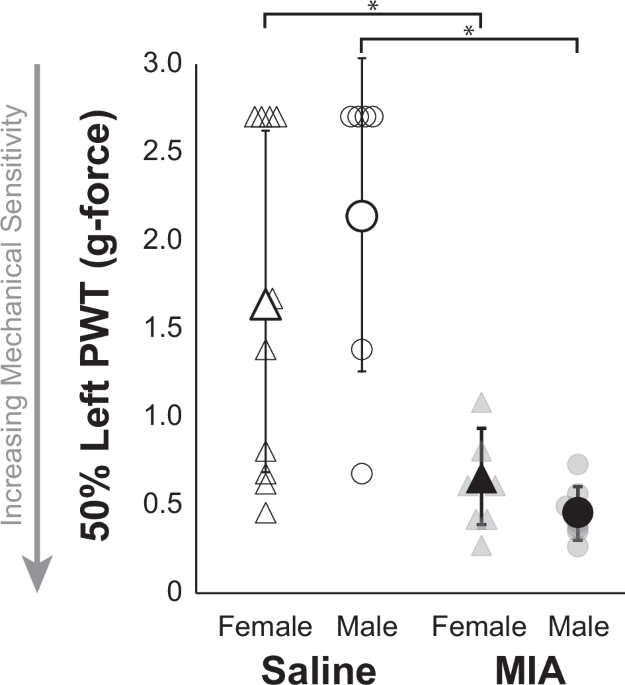
Moreover, chronic pain and poor sleep alter central neurophysiology, including hippocampal synaptic plasticity, yet how these factors relate to OA pain remains unclear. We investigated sex-specific hippocampal glutamatergic function in a monoiodoacetate knee pain mouse model along with mechanical sensitivity and sleep architecture. Both sexes developed mechanical hypersensitivity following injury, but females exhibited poorer sleep outcomes.
Injured males demonstrated increased AMPAR-mediated excitatory activity, whereas injured females showed reduced NMDAR activity. Mechanical hypersensitivity correlated with reduced NMDAR/GluN2B function in females, while sex-specific altered AMPAR and NMDAR activity associated with REM sleep. These findings reveal divergent, sex-specific alterations in hippocampal glutamatergic signaling associated with chronic OA pain and sleep disruption.
Together, these results suggest that sleep and pain-related synaptic changes reflect interacting processes that differ by sex, highlighting hippocampal excitatory signaling, sleep health, and sex-specific neurophysiology as key contributors to variability in the OA pain experience and potential targets for chronic pain management. Osteoarthritis (OA) is one of the leading causes of chronic pain and disability in adults1. Sex plays a role in OA pain as females have higher rates of OA diagnosis and also report worse OA pain outcomes2,3,4.
Despite its high prevalence, OA pain remains challenging to manage due to its complex, multifactorial nature5, biological sex-specific differences3,4, and long-term side effects of pain management analgesics6,7,8. Moreover, central maladaptive neuroplasticity associated with chronic OA pain is commonly observed in clinical studies1,3,4,9 and may involve persistent changes across pain-relevant brain circuits9,10, yet few preclinical studies have explored the mechanisms underlying these changes or influences of external co-factors such as sleep quality. Sleep disturbances commonly accompany and can worsen chronic pain11, including chronic OA pain12.
It is well established that poor sleep can both result from pain and simultaneously exacerbate pain sensitivity11,13,14. This bidirectional relationship is thought to involve shared mechanisms that amplify pain perception and disrupt sleep architecture11,13. Though sleep is not commonly considered during OA treatment, studies have shown it impacts 31-81% of patients with OA pain with a higher vulnerability in females12.
Extract — continue reading at the source.


