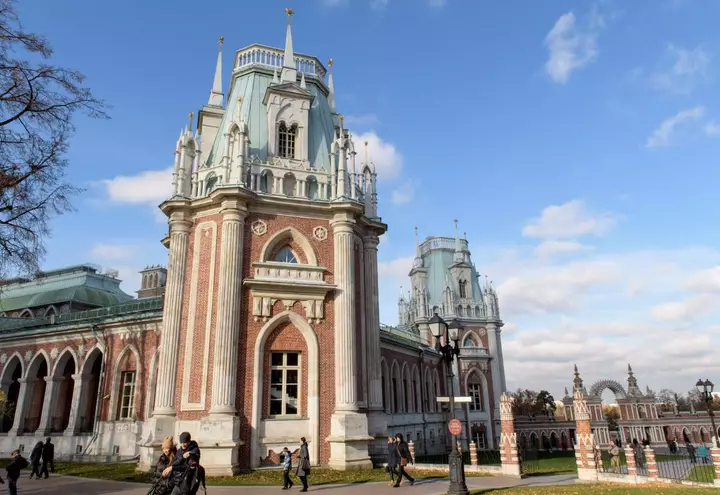
Students at roughly 80 colleges across the country are expected to participate in coordinated "Take Back the Night" events on Sunday as activists say the fallout from Cornell University's sexual assault controversy has reignited a decades-old debate over fraternity culture, campus safety, "rape culture," and university accountability. The National Campus Take Back the Night Rally will begin with an 8 p.m. EST national livestream on Sunday, before hundreds of students gather on campuses across the country for rallies, marches, and readings of a five-point reform mandate directed at university leaders.
To view the livestream, registration is required at takebackthenight.org. The effort comes as Cornell, which is located in Ithaca, New York, faces mounting criticism over its handling of sexual assault allegations tied to the Chi Phi fraternity, a case that has prompted protests, donor pressure and a faculty no-confidence vote while renewing broader questions about how colleges oversee fraternities, investigate misconduct and protect students. "Cornell enabled us to have an entry point and a larger audience for this conversation," Katie Koestner, executive director of Take Back the Night, a more than 50-year-old nonprofit, said.
A 2024 survey conducted by research firm Westat for the Higher Education Sexual Misconduct and Awareness (HESMA) Survey Consortium found that 18.9 percent of undergraduate women reported experiencing nonconsensual sexual contact involving force or an inability to consent since enrolling in college. The rate was 6.5 percent among undergraduate men. Liana Mirvis Galper, an 18-year-old first-year student at Yale University, was still learning their way around campus when they felt compelled to act on behalf of Cornell's Jane Doe and countless other students.
Galper got on the phone with organizers within hours and was soon named national rally campus coordinator. "In this month of organizing, we have collaborated with incredible speakers and student organizers as we plan the national event, and I have gotten a glimpse into what it takes to make change," Galper, a Massachusetts native studying art and English, told Newsweek via email. What followed was a rapid mobilization effort that organizers say expanded to 79 participating campuses, including schools on the East Coast, West Coast, and even Hawaii.
"We can't just have a few campuses," Koestner said. "We have to invite all the campuses." Organizers originally envisioned local marches through campus spaces where sexual assaults had occurred or where students believed administrators had failed to act. But as planning progressed, some campuses imposed restrictions on demonstrations while others faced logistical challenges, prompting the addition of a national livestream component intended to allow broader participation.
The result is what organizers describe as one of the largest coordinated anti-sexual-violence actions on college campuses in recent years. For activists, Cornell has become more than another campus controversy. The lawsuit filed last month by Jane Doe alleging she was gang raped by members of the Chi Phi fraternity in 2024 has touched on many of the themes that have driven campus sexual assault debates for years: fraternity culture, alcohol, university discipline, transparency and institutional responsibility.
Extract — continue reading at the source.