Corruption is a major concern for Brazilian voters ahead of the runoff between Flávio Bolsonaro and Luiz Inácio Lula da Silva on October 25 RIO DE JANEIRO -- Corruption is a top concern for many Brazilian voters ahead of the Oct. 25 runoff between far-right candidate Flávio Bolsonaro and left-leaning Luiz Inácio Lula da Silva. But experts say its greatest impact may not be on which candidates voters choose, but on whether they decide to sit out of the election altogether. In the minds of many Brazilians, both candidates are associated with graft.
Bolsonaro is under investigation for corruption, money laundering and tax evasion, while Lula spent 19 months in prison on corruption and money laundering charges that were later annulled. For those who strongly support either candidate, such alleged ties will do little to curb their enthusiasm. But experts say that a generalized perception of corruption can increase abstention and anti-incumbency sentiment, potentially benefiting Bolsonaro, who received 2.2 million more votes than Lula in the first round.
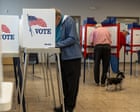
Here’s a look at how corruption could impact Brazil's presidential runoff. During the first round, many lined up to cast their votes wearing either red hats and T-shirts — signaling support for Lula’s party — or the yellow and green of the Brazilian flag adopted by Bolsonaro’s movement, reflecting the polarization gripping the country. Supporters of Bolsonaro and Lula are highly distrustful of the other side and view their opponents as a threat.
Such voters are less likely to give weight to allegations of corruption, experts say. But her main concern is what she sees as the threat Flávio Bolsonaro poses to democracy. For me it’s a question of being able to vote in the next election.” A wide-ranging scandal involving politicians and judges at Brazil’s Supreme Court dominated headlines ahead of the presidential election, placing corruption at the heart of public debate.
Justice Alexandre de Moraes, who chaired the legal case that put former President Jair Bolsonaro in prison for his attempted coup, is suspected of having ties to the former head of the failed Banco Master bank, as is Flávio Bolsonaro. Both have denied wrongdoing. For many Brazilians, the Banco Master scandal stirs up memories of Operation Car Wash, the largest corruption and money-laundering investigation in Brazilian history that ensnared dozens of politicians after it was launched in 2014.
Repeated corruption scandals may drive up abstention and affect undecided voters, said Laura Chelidonopoulos, who has studied corruption and is a political science PhD candidate at the University of Pittsburgh. First-round abstention has risen gradually since 2006, according to data from Brazil’s electoral court. José Tainan, a 36-year-old kitchen assistant from Rio de Janeiro's Penha complex of favelas, said he struggled to remember when he last voted in an election, but thinks it was probably for Lula back in the 2000s.
Extract — continue reading at the source.