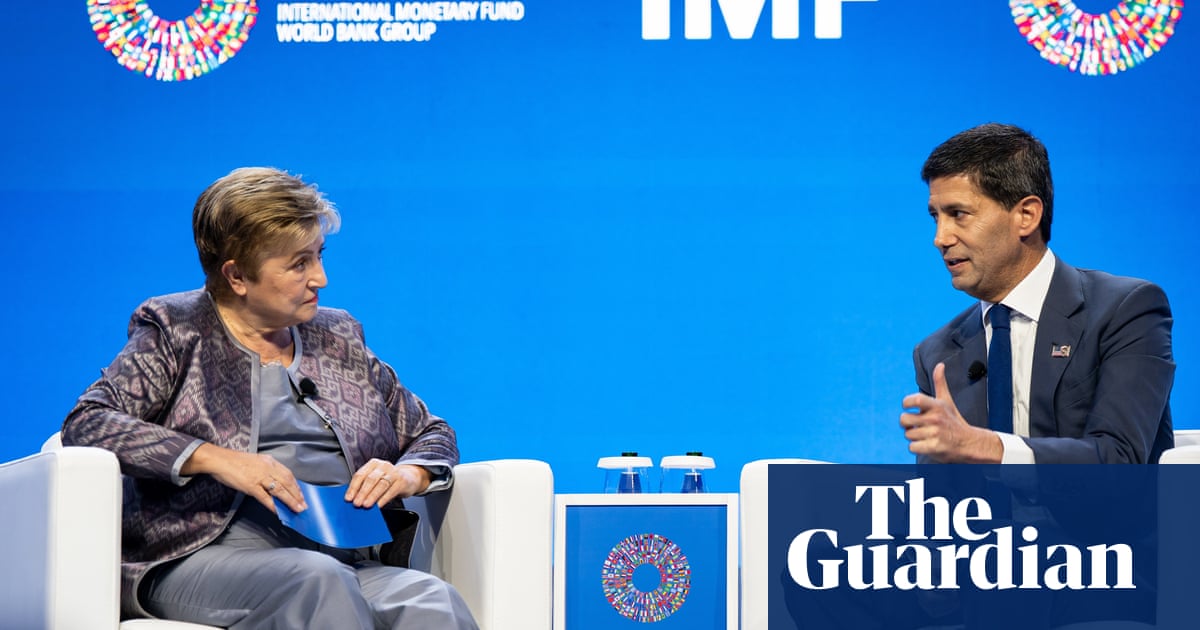
Inside the vast, glass-walled Queen Sirikit conference centre in Bangkok, the air-conditioned atmosphere was calm as policymakers from more than 100 countries gathered this week for the International Monetary Fund’s annual meeting – and contemplated the surprising strength of the global economy. A small army of smiling, uniformed Thai staff were on hand to explain the baffling geography of the heavily guarded building, where lunch options were as cosmopolitan as the delegates – including, improbably, a Burger King. Growth has not fallen off a cliff, buoyed up by the AI investment boom; stock markets haven’t crashed.
And yet we haven’t had that massive synchronised crisis. So I think there’s this feeling that a lot of countries are sort of defying gravity at all income levels,” said Clemence Landers, the vice-president of the Washington-based Center for Global Development. Yet the IMF was also keen to remind delegates that the resilience of the past six months had been bought at a cost and may not last.
The message – “Resilience under strain, urgent choices” – leapt out from the front page of its flagship publication, the World Economic Outlook (WEO). According to IMF experts, the cost of the energy support measures governments have put in place to protect their citizens from soaring oil prices, as a result of Donald Trump’s war in Iran, has been an extraordinary 0.5% of global GDP. It said many countries would be unable to sustain support on this scale for much longer – and some had already begun to phase out subsidies, exposing the public to more of the costs of the conflict.
The IMF urged governments to limit the costs and let market signals do their work, by sticking to temporary, targeted measures, rather than across-the-board subsidies. Aside from how to cope with the practicalities of a conflict that has persisted far longer than many governments had hoped – and whose end point remains elusive – the IMF was also keen to highlight two pressing risks. The first was what it sees as the unsustainable state of the public finances, particularly in the world’s richest countries.
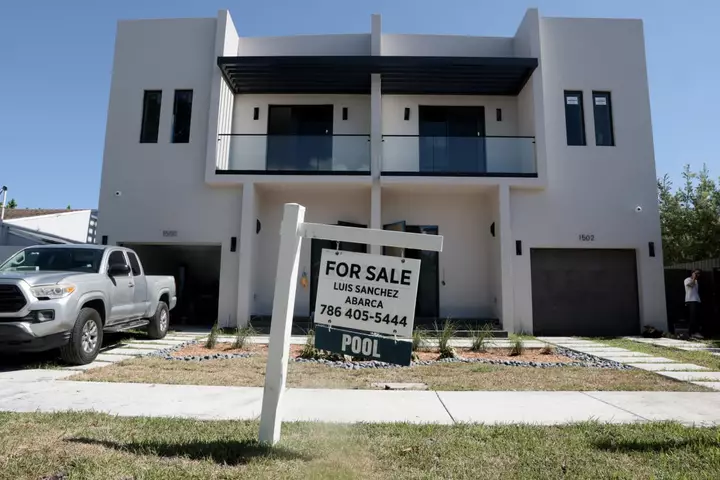
The WEO projected the highest budget deficits this year for advanced economies since the depths of the Covid pandemic. That means government debt in these countries is expected to keep rising – from 108% of GDP last year, to 115% of GDP in five years’ time. Anxiety about spendthrift governments appears to have been one factor driving the recent sell-off of government bonds – pushing up yields, or interest rates, to their highest levels in decades; though it also reflects higher expectations for inflation and growth.
The IMF’s managing director, Kristalina Georgieva, lamented: “Too many countries, they did not use the post-pandemic recovery to rebuild fiscal buffers, and each new shock has pushed debt levels higher.” Fretting that this leaves governments exposed when the next shock comes, as well as pushing up the share of tax revenues required just to service debt, Georgieva repeatedly implored governments – not least Washington – to tighten their belts. Make urgent repairs to the fiscal house before the cracks widen,” she said. It seems a message unlikely to land well with voters buffeted by one shock after another.
Extract — continue reading at the source.