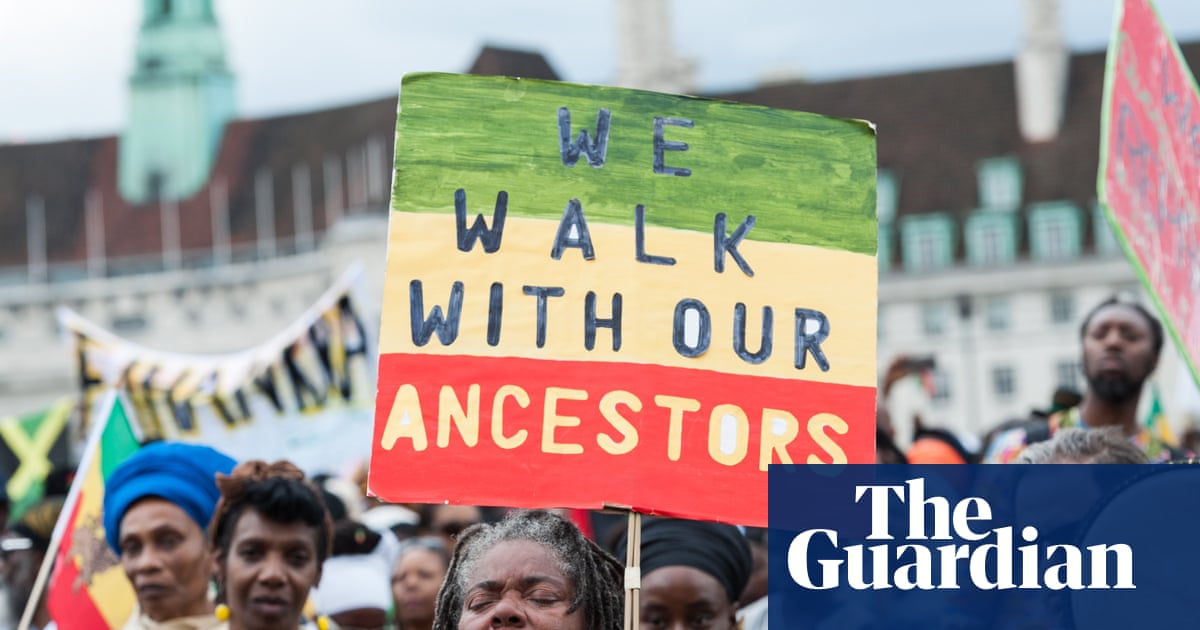
A UN committee has said countries are legally obliged to consider reparations for the transatlantic slave trade and take other measures to address the enduring legacy of racial discrimination. Guidance published on Monday by the committee on the elimination of racial discrimination (CERD) said the obligations arose from a legally binding 1965 convention on racial discrimination, not from the legal standards that existed when the slave trade took place. The committee described the approach as a “paradigm shift” away from debates over historical responsibility that have often been used by governments to resist reparations claims.
At least 12.5 million Africans were taken and sold between the 15th and 19th centuries in what CERD called the largest forced displacement in history. Calls for reparations – ranging from official apologies to financial compensation – have gained momentum internationally, though opponents argue states and institutions should not be held responsible for historical crimes. The EU and Britain abstained from a UN resolution on slavery in March.
Some states have sought to dodge claims for justice in courtrooms by arguing that there were no international laws outlawing the slave trade at the time – the so-called intertemporality principle. But the UN document argues that, regardless of whether slavery and the slave trade were illegal under the laws of the day, countries remain responsible under current international obligations to tackle their continuing effects. Financial compensation alone is not sufficient, it adds, urging “transformative” measures including opening archives, revising public memorials and establishing independent truth commissions.
Pela Boker Wilson, a committee expert from Liberia who helped draft the document, said she expected states to move beyond broad expressions of regret and review policies and laws.
Extract — continue reading at the source.