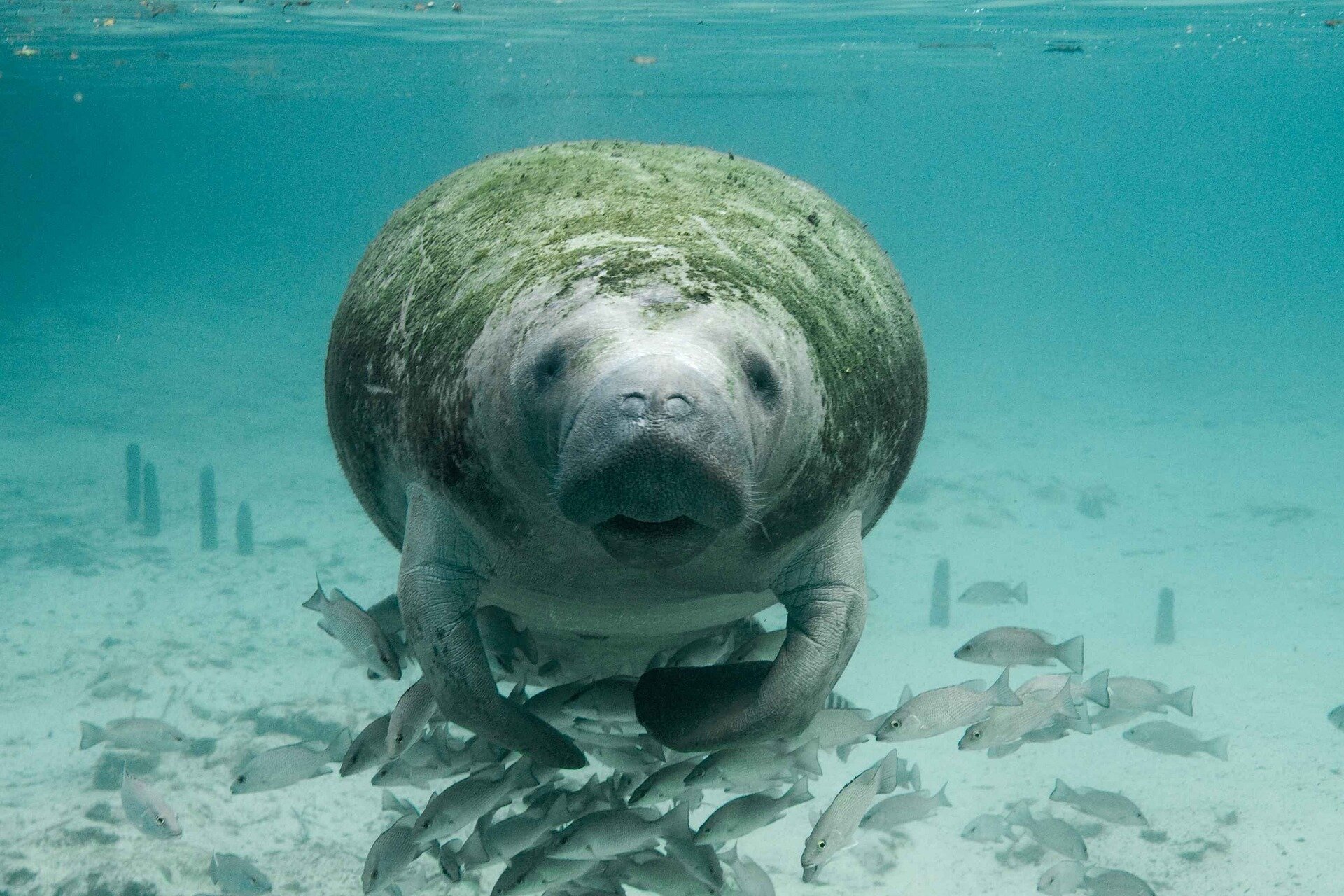
This article has been reviewed according to Science X's editorial process and policies. Editors have highlighted the following attributes while ensuring the content's credibility: A 50% decline in the Gulf of Carpentaria dugong population estimate is a wake-up call for urgent action to protect dugongs in the Gulf, based on surveys undertaken by researchers from James Cook University, Charles Darwin University and Indigenous Ranger groups. After the Torres Strait, the Gulf of Carpentaria supports the second-largest population of dugongs in the world.
Leonardo Guida, a marine biologist at AMCS, said, "A 50% drop in one of the world's most important dugong populations is a genuinely alarming result, and the research indicates the majority of the decline is occurring on the Queensland side of the Gulf. "Dugongs are long-lived, slow to breed and slow to recover. A loss on this scale requires urgent action if we're to give these incredible animals a chance to recover." Scientists and Indigenous rangers state that the decline appears to be driven by a combination of pressures, including the loss of seagrass, the dugong's sole food source, following severe weather events that scientists say are being intensified by climate change, as well as bycatch in commercial gillnet fisheries.
"Dugongs have no idea what a state border is, so it's crucial that the NT Government not only deliver the gillnet phase-out it has committed to at the end of next year, but start immediately by prioritizing habitats critical to dugongs in the Gulf as gillnet-free areas—especially given the risk of concentrated fishing in those areas. "We need to understand exactly what's happening on the Queensland side of the Gulf, where the reported dugong declines are significantly higher. The Queensland Government's implementation of net-free areas in the Gulf is critically important for dugong recovery, but greater monitoring of dugongs, their seagrass habitats and any mortality events from fishing is critical to understanding the drivers of decline.
"If the data says more needs to be done in Queensland waters, then we need the Queensland Government to act." Provided by Australian MarineConservation Society BSc Life Sciences & Ecology. Microbiology lab background with pharmaceutical news experience in oil, gas, and renewable industries. Full profile → Master's in physics with research experience.
Long-time science news enthusiast. Plays key role in Science X's editorial success.
Extract — continue reading at the source.